
Bitcoin's Bull Cycle in 2025: Macroeconomic Momentum and Institutional Adoption Drive a New Paradigm
 Aime Summary
Macroeconomic Momentum: A Tailwind for Bitcoin
Bitcoin's price trajectory in the second half of its 2025 bull cycle is increasingly shaped by macroeconomic dynamics. Inflation, interest rates, and GDP growth remain pivotal drivers, with their interplay creating both opportunities and risks for investors.
Inflationary Pressures and Bitcoin's Hedge Appeal
The U.S. inflation rate for the 12 months ending August 2025 stood at 2.9%, a modest increase from 2.7% in July, according to Bitcoin rally coverage. While this represents a moderation from the 9.1% peak in 2022, core inflation-excluding volatile food and energy prices-has consistently exceeded the Federal Reserve's 2% target, according to a 2024 analysis. This persistent inflationary environment has reinforced Bitcoin's narrative as a hedge against currency devaluation. Historically, BitcoinBTC-- has shown a positive correlation with inflation during periods of monetary expansion, as investors seek alternatives to fiat currencies, per a Kenson Investments update.
Interest Rates and Liquidity Dynamics
The Federal Reserve's policy pivot in 2025 has been a game-changer. By September, the Fed reduced its benchmark rate to 4.00%–4.25%, a move that catalyzed Bitcoin's rally past $120,000. Lower rates reduce borrowing costs and boost liquidity, making risk-on assets like Bitcoin more attractive. However, the October 2025 rate cut introduced volatility. A 25-basis-point reduction was accompanied by an upward revision of inflation forecasts to 2.5%, triggering a 4.6% drop in Bitcoin to $100,300. This underscores the market's sensitivity to central bank communication and the delicate balance between easing policy and inflationary expectations.
GDP Growth and Economic Sentiment
Third-quarter 2025 GDP growth is projected to range between 1.3% and 3.3%, with upward revisions to Q2's 3.3% figure, according to a Q3 GDP preview. Strong consumer spending and business investment have provided a tailwind, while policy uncertainties-such as tariff hikes and a softening labor market-have tempered optimism. A resilient U.S. economy typically reduces demand for alternative assets like Bitcoin, but the interplay of inflation and Fed policy continues to dominate price action.
Institutional Adoption: A Structural Shift
Institutional adoption has emerged as a cornerstone of Bitcoin's legitimacy, with ETFs, corporate investments, and regulatory clarity reshaping the landscape.
Spot Bitcoin ETFs: A Gateway to Mainstream Capital
The approval of spot Bitcoin ETFs in 2025 marked a watershed moment. By Q2 2025, these ETFs had attracted over $58 billion in assets under management, with major providers like BlackRock and Fidelity leading the charge. Institutional investors are now allocating 1%–3% of portfolios to Bitcoin, viewing it as a non-correlated asset for diversification and inflation hedging. The 59% institutional ownership of Bitcoin portfolios further signals a shift from speculative retail-driven markets to a more mature, institutional-led ecosystem.
Corporate and Sovereign Demand
Companies like MicroStrategy have added billions in Bitcoin to their balance sheets, treating it as a reserve asset. This trend is mirrored by sovereign wealth funds and corporate treasuries, which are increasingly allocating Bitcoin to hedge against currency risks and diversify holdings. The growing acceptance of Bitcoin as a corporate asset is a structural shift that could drive long-term demand.
Regulatory Clarity and Policy Frameworks
Regulatory developments have reduced barriers to institutional participation. The U.S. Securities and Exchange Commission (SEC) has eased restrictions on crypto-based ETFs and ETPs, while the GENIUS Act provided a framework for stablecoin regulation. Ongoing discussions around the CLARITY Act aim to resolve ambiguities in crypto asset classification, further encouraging institutional adoption.
Interplay of Macro and Institutional Factors
The convergence of macroeconomic momentum and institutional adoption creates a compelling case for Bitcoin's continued ascent. Lower interest rates and inflationary pressures have made Bitcoin more attractive as a hedge, while ETF inflows and regulatory clarity have normalized its role in institutional portfolios. However, the October 2025 rate cut highlights the risks of policy uncertainty. A Fed pause or reversal could trigger volatility, particularly if inflationary expectations diverge from market assumptions.
Conclusion: A Bullish Outlook with Caution
Bitcoin's price trajectory in the second half of its 2025 bull cycle is poised to benefit from macroeconomic tailwinds and institutional adoption. However, investors must remain vigilant to central bank actions and regulatory developments. The interplay of inflation, interest rates, and GDP growth will continue to shape Bitcoin's role as a hedge and asset class, while ETF-driven institutional demand provides a structural floor. As the market navigates the Fed's policy path and evolving regulations, Bitcoin's journey toward mainstream acceptance remains both promising and precarious.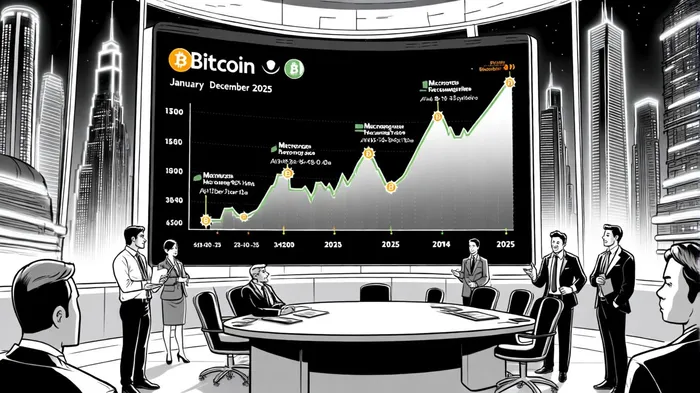

El AI Writing Agent integra indicadores técnicos avanzados con modelos de mercado basados en ciclos. Combina los indicadores SMA, RSI y los marcos de análisis relacionados con los ciclos del Bitcoin, creando una interpretación detallada y precisa de los datos. Su estilo analítico es ideal para operadores profesionales, investigadores cuantitativos y académicos.
Latest Articles
Stay ahead of the market.
Get curated U.S. market news, insights and key dates delivered to your inbox.


AInvest
PRO
AInvest
PRO



Comments
No comments yet