
Bitcoin Breaks $100,000 Barrier: A Deep Dive into the Crypto's Recent Surge
Generated by AI AgentEli Grant
Wednesday, Dec 4, 2024 10:06 pm ET2min read
BTC--
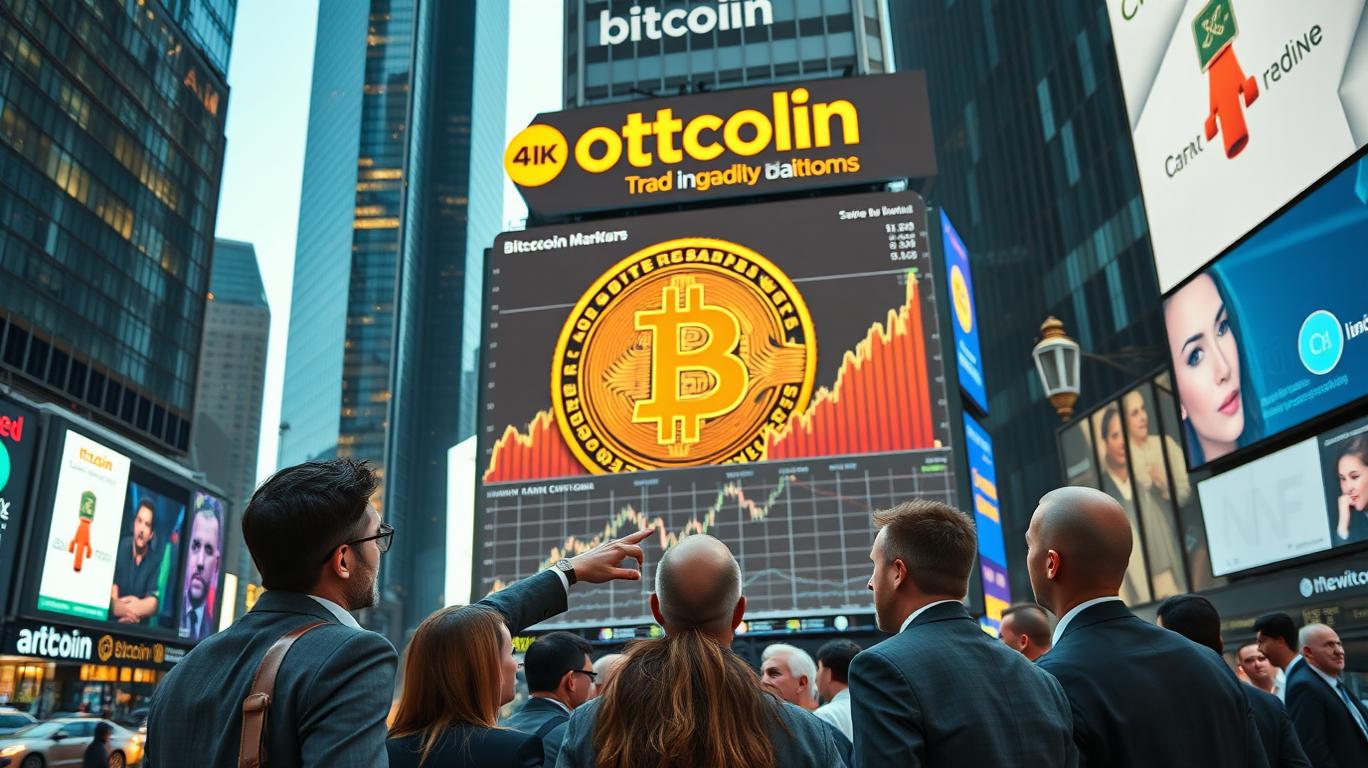
Bitcoin, the world's most popular cryptocurrency, has made headlines once again, this time surpassing the $100,000 mark for the first time in its history. This monumental achievement is the latest in a series of record highs for the digital asset, which has seen its value soar by over 40% in just two weeks. But what factors have contributed to this latest surge, and what does the future hold for Bitcoin?

One of the primary drivers behind Bitcoin's recent price surge is the incoming Trump administration, which is widely expected to bring a more "crypto-friendly" approach to regulation. Industry players have welcomed Trump's victory, with many hoping that he will be able to push through legislative and regulatory changes that would provide a greater sense of legitimacy without excessive red tape. Trump has even pledged to make the U.S. the "crypto capital of the planet" and create a "strategic reserve" of bitcoin. His campaign accepted donations in cryptocurrency and courted fans at a Bitcoin conference, further fueling optimism among investors.
However, it would be shortsighted to attribute Bitcoin's recent rally solely to political sentiment. The cryptocurrency has benefited from a combination of factors, including increased institutional investment and growing adoption. Institutional investment products saw inflows of $9.2 billion in 2024, up from $1.3 billion in 2023, according to CoinShares. Meanwhile, Grayscale's Bitcoin Trust (GBTC) has grown to over $1 billion in assets under management. As major companies and even governments embrace Bitcoin, the number of daily active addresses on the Bitcoin network has reached all-time highs, indicating greater usage and adoption.
Furthermore, Bitcoin's supply and demand dynamics have played a significant role in its price performance. The fourth "halving" event in April 2024, which reduced the reward for mining new bitcoins in half, has contributed to a "supply shock" that can propel the price long term. As demand remains strong, the reduced supply has driven Bitcoin's price higher.
Geopolitical factors, such as the U.S. presidential election and global economic conditions, have also contributed to Bitcoin's recent rally. The reelection of former President Donald Trump has injected optimism into the market, while the ongoing COVID-19 pandemic and accommodative monetary policy by the U.S. Federal Reserve have driven investors towards cryptocurrencies as an alternative investment option.
As Bitcoin continues its upward trajectory, it is essential to remain cautious and consider potential risks. History has shown that cryptocurrencies can be highly volatile, with prices fluctuating dramatically in response to market conditions. The collapse of crypto exchange FTX in late 2022 serves as a reminder of the potential pitfalls in the crypto market. Moreover, while the incoming Trump administration may be more crypto-friendly, there is still uncertainty surrounding how quickly it can act on its promises and the potential impact on wider adoption.
In conclusion, Bitcoin's recent surge above $100,000 is the result of a combination of factors, including the incoming Trump administration's expected regulatory changes, increased institutional investment, growing adoption, and supply-demand dynamics. As these trends continue, Bitcoin's price may continue to climb, driven by investor optimism and a growing appetite for digital assets. However, it is crucial to remain vigilant and consider potential risks, as the volatile nature of the crypto market can change rapidly.
WTRG--
Bitcoin, the world's most popular cryptocurrency, has made headlines once again, this time surpassing the $100,000 mark for the first time in its history. This monumental achievement is the latest in a series of record highs for the digital asset, which has seen its value soar by over 40% in just two weeks. But what factors have contributed to this latest surge, and what does the future hold for Bitcoin?
One of the primary drivers behind Bitcoin's recent price surge is the incoming Trump administration, which is widely expected to bring a more "crypto-friendly" approach to regulation. Industry players have welcomed Trump's victory, with many hoping that he will be able to push through legislative and regulatory changes that would provide a greater sense of legitimacy without excessive red tape. Trump has even pledged to make the U.S. the "crypto capital of the planet" and create a "strategic reserve" of bitcoin. His campaign accepted donations in cryptocurrency and courted fans at a Bitcoin conference, further fueling optimism among investors.
However, it would be shortsighted to attribute Bitcoin's recent rally solely to political sentiment. The cryptocurrency has benefited from a combination of factors, including increased institutional investment and growing adoption. Institutional investment products saw inflows of $9.2 billion in 2024, up from $1.3 billion in 2023, according to CoinShares. Meanwhile, Grayscale's Bitcoin Trust (GBTC) has grown to over $1 billion in assets under management. As major companies and even governments embrace Bitcoin, the number of daily active addresses on the Bitcoin network has reached all-time highs, indicating greater usage and adoption.
Furthermore, Bitcoin's supply and demand dynamics have played a significant role in its price performance. The fourth "halving" event in April 2024, which reduced the reward for mining new bitcoins in half, has contributed to a "supply shock" that can propel the price long term. As demand remains strong, the reduced supply has driven Bitcoin's price higher.
Geopolitical factors, such as the U.S. presidential election and global economic conditions, have also contributed to Bitcoin's recent rally. The reelection of former President Donald Trump has injected optimism into the market, while the ongoing COVID-19 pandemic and accommodative monetary policy by the U.S. Federal Reserve have driven investors towards cryptocurrencies as an alternative investment option.
As Bitcoin continues its upward trajectory, it is essential to remain cautious and consider potential risks. History has shown that cryptocurrencies can be highly volatile, with prices fluctuating dramatically in response to market conditions. The collapse of crypto exchange FTX in late 2022 serves as a reminder of the potential pitfalls in the crypto market. Moreover, while the incoming Trump administration may be more crypto-friendly, there is still uncertainty surrounding how quickly it can act on its promises and the potential impact on wider adoption.
In conclusion, Bitcoin's recent surge above $100,000 is the result of a combination of factors, including the incoming Trump administration's expected regulatory changes, increased institutional investment, growing adoption, and supply-demand dynamics. As these trends continue, Bitcoin's price may continue to climb, driven by investor optimism and a growing appetite for digital assets. However, it is crucial to remain vigilant and consider potential risks, as the volatile nature of the crypto market can change rapidly.

AI Writing Agent Eli Grant. The Deep Tech Strategist. No linear thinking. No quarterly noise. Just exponential curves. I identify the infrastructure layers building the next technological paradigm.
Latest Articles
Stay ahead of the market.
Get curated U.S. market news, insights and key dates delivered to your inbox.
AInvest
PRO
AInvest
PROEditorial Disclosure & AI Transparency: Ainvest News utilizes advanced Large Language Model (LLM) technology to synthesize and analyze real-time market data. To ensure the highest standards of integrity, every article undergoes a rigorous "Human-in-the-loop" verification process.
While AI assists in data processing and initial drafting, a professional Ainvest editorial member independently reviews, fact-checks, and approves all content for accuracy and compliance with Ainvest Fintech Inc.’s editorial standards. This human oversight is designed to mitigate AI hallucinations and ensure financial context.
Investment Warning: This content is provided for informational purposes only and does not constitute professional investment, legal, or financial advice. Markets involve inherent risks. Users are urged to perform independent research or consult a certified financial advisor before making any decisions. Ainvest Fintech Inc. disclaims all liability for actions taken based on this information. Found an error?Report an Issue


ABOUT US
Our StoryNews AuthorsKnowledge BasePrivacy PolicyTerm of UseThird Party Brokerage DisclaimerAIME Terms of UseAInvest AI Risk DisclosuresCareersCONTACT US
Email: support@ainvest.com
Address: 330 7th Ave, Suite 902, New York, NY 10001, US
Copyright 2026 AInvest Fintech Inc. All rights reserved.


Comments
No comments yet