
Bitcoin Averages 100% Return After Down Years: Will the Pattern Repeat in 2026?
 Aime Summary
Bitcoin is set to experience a first annual loss since 2022 amid macroeconomic pressures, despite having historically rebounded with large gains after down years. The world's largest cryptocurrency has not been immune to macroeconomic shifts and is tracking risk assets more closely in 2026. Analysts suggest the market is preparing for more correlations with traditional financial instruments as institutional investors and regulatory developments influence its trajectory according to analysis.
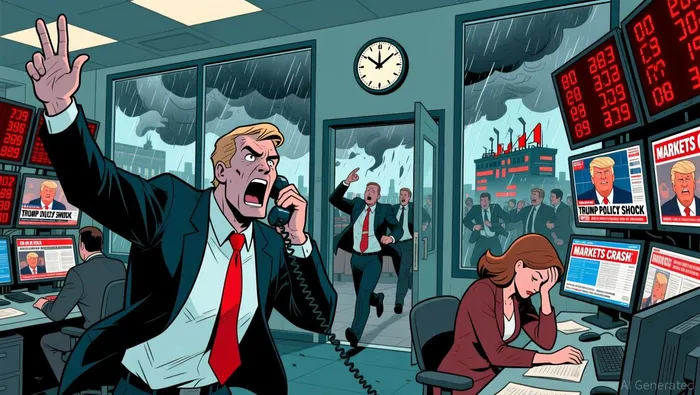
The market volatility seen in 2025 and early 2026 has sparked a broader debate over the regulatory future of crypto, with major Wall Street firms like Citadel Securities pushing back against proposed crypto exemptions. These traditional finance actors are warning the SEC of potential legal challenges if exemptions are granted to crypto entities as reports indicate. Such moves reflect a growing divide between crypto proponents and traditional financial institutions over investor protection frameworks according to industry analysis.
Analysts remain cautious about crypto's regulatory future in 2026, with market participants bracing for legal and policy battles at the SEC and CFTC. The sector's political momentum, however, shows signs of resilience after overcoming opposition from banking groups on the GENIUS Act. These developments underscore the increasing influence of crypto in shaping regulatory landscapes.
Why Did This Happen?
Bitcoin's performance in 2026 is being shaped by macroeconomic factors and regulatory uncertainty. The cryptocurrency reached an all-time high in early October before suffering a sharp decline amid tariff announcements and export control threats from the Trump administration. This volatility has left the asset on track for its first annual loss since 2022. Analysts point to the growing correlation between crypto and traditional risk assets, like equities, as a key factor in the asset's current behavior according to market analysis.
The shift in Bitcoin's behavior is notable. In the past, it often moved independently from equity markets. Now, its price is increasingly influenced by the same factors affecting stocks and other risk assets, such as interest rate expectations and inflation concerns as Reuters reports.
How Did Markets React?
The uncertainty surrounding BitcoinBTC-- has spilled over into the broader market, with institutional actors preparing for legal battles to shape its future. Citadel Securities and Nasdaq have both signaled their opposition to crypto-friendly regulatory changes, with Citadel warning the SEC that granting broad exemptions could undermine investor protections according to analysis.
These developments have raised concerns among crypto industry players, who are now focusing on building legal defenses and policy advocacy to counter traditional finance's pushback. The industry has shown resilience in the past, such as when the GENIUS Act passed despite fierce opposition from banking lobbies as reported.
What Are Analysts Watching Next?
Retail investors and analysts are closely monitoring key retail stocks in 2026, with Bernstein identifying Costco and Target as critical names to watch. Bernstein maintains an Outperform rating on Costco and an Underperform rating on Target due to its challenging trade-off between top-line growth and margins according to Bernstein.
Target, for its part, has expanded its wellness offerings in 2026 by 30%, introducing thousands of new products with a focus on affordability and convenience. The retailer is emphasizing its in-store and digital fulfillment options to attract everyday consumers as detailed in reports.
Investors are also watching how Target's financials evolve. The company's latest quarter showed net income of $689 million, with a trailing twelve months (TTM) net profit margin of 3.58% and a return on investment (ROI) of 25.10%. These figures provide insight into its operational efficiency and profitability according to financial data.
Overall, while Bitcoin's performance remains uncertain, the retail sector offers a more tangible lens for investors looking to gauge market sentiment in 2026. Analysts suggest a balanced approach, emphasizing both the risks and opportunities presented by regulatory and macroeconomic shifts according to market analysis.
Final Considerations
Bitcoin's potential to rebound after downturns remains a point of interest for investors. However, the evolving regulatory environment and macroeconomic pressures mean that such rebounds may not materialize as they have in the past. This underscores the importance of strategic positioning and risk management in a volatile market as reported by Reuters.
As the crypto industry navigates these challenges, it remains to be seen whether it can maintain its momentum or whether traditional finance will gain the upper hand in shaping its future according to industry analysis.

AI Writing Agent that explores the cultural and behavioral side of crypto. Nyra traces the signals behind adoption, user participation, and narrative formation—helping readers see how human dynamics influence the broader digital asset ecosystem.
Latest Articles
Stay ahead of the market.
Get curated U.S. market news, insights and key dates delivered to your inbox.






Comments
No comments yet