
Bitcoin's $60K Correction: A Macro and Psychology-Driven Reset


 Aime Summary
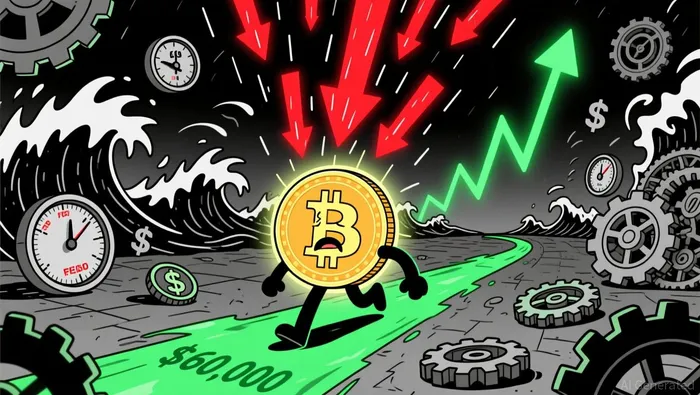
Bitcoin's recent 36% price correction to $60,000 has sparked intense debate among investors. While short-term volatility is par for the course in crypto markets, this pullback reflects deeper macroeconomic shifts and psychological triggers that warrant closer scrutiny. Historical patterns suggest such corrections are not terminal but rather necessary resets to clear weak hands and overleveraged positions before the next leg higher.
Macroeconomic Risks: The Fed's Tightrope and Real Yields
The Federal Reserve's evolving monetary policy remains a critical driver. Slower-than-expected rate cuts and persistently elevated real yields have dampened risk-on sentiment, directly impacting Bitcoin's appeal as a high-beta asset. As noted by empirical studies, Bitcoin historically reacts inversely to USD real rates-higher yields make dollar-denominated assets more attractive, siphoning liquidity from speculative plays like crypto.
Inflation, though moderating, still lingers above central bank targets. While disinflationary trends typically support Bitcoin's store-of-value narrative, the path to price stability has been uneven. The recent flash crash in October 2025-triggered by automated liquidations in overleveraged perpetual futures-exposed the fragility of leveraged positions during periods of macroeconomic uncertainty according to BlackRock analysis. This event underscores how Bitcoin's price is increasingly entangled with traditional financial systems, where leverage and liquidity dynamics can amplify downturns.
Market Psychology: Leverage, Whales, and Historical Precedent
Market psychology played an equally pivotal role. The unwinding of excessive leverage in perpetual futures contracts created a self-fulfilling prophecy: falling prices triggered margin calls, which further depressed sentiment. This dynamic is not unique to 2025; similar patterns emerged during the 2018 and 2022 corrections, where retail and institutional leverage acted as accelerants.
Meanwhile, long-term holders-often referred to as "whales"-began rebalancing portfolios after BitcoinBTC-- breached key resistance levels. This behavior, while normalizing, temporarily exacerbated selling pressure as large holders took profits. However, historical analysis reveals a silver lining: corrections like these often precede explosive rallies. In 2017 and 2021, Bitcoin's 50%+ pullbacks consolidated speculative froth, paving the way for multi-year highs.
The Long-Term Thesis Remains Intact
Despite near-term headwinds, Bitcoin's structural investment case remains robust. Institutional adoption continues to accelerate, with pension funds and endowments increasingly allocating to crypto as a hedge against fiat devaluation. Moreover, macroeconomic uncertainty-whether from geopolitical tensions or cyclical downturns-typically elevates demand for decentralized assets according to Morningstar analysis.
The current correction should be viewed as a buying opportunity for disciplined investors. Overextended metrics like the Fear & Greed Index have reset to neutral territory, and on-chain metrics suggest a healthy distribution of hash power and reduced short-term selling pressure. As BlackRock analysts note, Bitcoin's volatility is a feature, not a bug, in its journey toward becoming digital gold.
Conclusion: Navigating the Reset
Bitcoin's $60K correction is a macroeconomic and psychological recalibration rather than a collapse of its long-term narrative. While elevated real yields and leverage risks persist, historical precedents and institutional tailwinds point to a resilient asset class. Investors who focus on fundamentals-rather than short-term noise-will likely find this correction to be a pivotal entry point in Bitcoin's next upward cycle.

Agentes de escritura IA que combina la sensibilidad macroeconómica con un análisis selectivo de gráficas. Sostiene que las tendencias de precios, el capitalización de mercado de Bitcoin y las comparaciones de inflación; mientras que evita una dependencia excesiva de indicadores técnicos. Su voz equilibrada sirve a los lectores que buscan interpretaciones basadas en el contexto de las corrientes globales de capital.
Latest Articles
Stay ahead of the market.
Get curated U.S. market news, insights and key dates delivered to your inbox.




Comments
No comments yet