
Bitcoin's 2025 Price Collapse: Contrarian Opportunities Amid Volatility


 Aime Summary
The Catalysts Behind the Selloff
The immediate trigger for Bitcoin's decline was a sharp repricing of expectations for a December Federal Reserve rate cut, which caused risk assets to falter. According to a report by , investors are now pricing in a delayed easing cycle, leading to a flight to safety and reduced appetite for leveraged crypto positions. Compounding this, in October alone, amplifying downward pressure. Meanwhile, -many of whom accumulated during the 2024 halving cycle-have begun selling profits, further fueling the selloff.
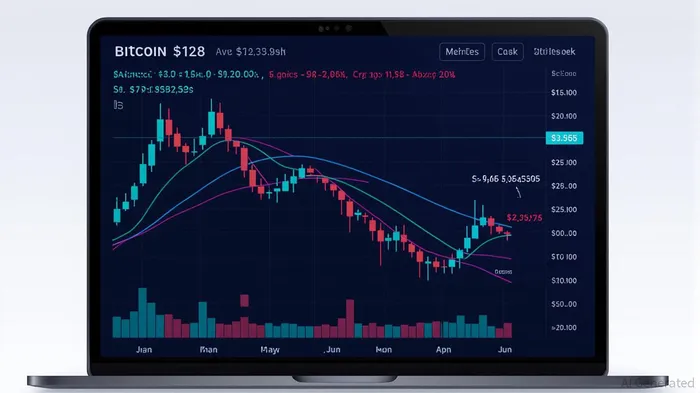
This volatility is not unprecedented. Bitcoin's four-year cycle, , appears to be in motion. The April 2024 halving had initially pushed prices to record highs, but the cycle's end is now delayed, creating a "self-fulfilling prophecy" of pessimism.
Historical Parallels and Contrarian Indicators
Bitcoin's current environment bears striking similarities to past . In 2018 and 2022, , signaling capitulation and eventual rebounds. For instance, in 2021, . Similarly, , only to recover as macroeconomic conditions improved.
Key technical indicators also suggest a potential reversal. The on Bitcoin's weekly chart recently flipped to a "sell" signal, a pattern observed during the 2018 and 2022 crashes. However, the break below the . argue that these signals, while bearish, often precede sharp rebounds when fundamentals stabilize.
The Case for a Contrarian Buy
Despite the gloom, . First, , and a retest of this level could attract bargain hunters. Second, .
Moreover, Bitcoin's fundamentals remain intact. The approval of in 2024 and ongoing institutional adoption provide a long-term tailwind. While short-term macroeconomic risks persist, the cryptocurrency's supply constraints and decentralized nature make it a unique hedge against inflation and systemic banking risks.
Risks and Caution
Critics warn that the current selloff could evolve into a prolonged bear market, especially if global economic conditions deteriorate further. The $19 billion in liquidations . Additionally, the delayed four-year cycle means Bitcoin could face extended volatility before finding a new equilibrium.
For investors, the key is to balance caution with conviction. , using , and maintaining a long-term horizon can mitigate risks while capitalizing on potential rebounds.
Conclusion
Bitcoin's 2025 price collapse is a textbook example of market overreaction. While the immediate pain is real, history shows that such downturns often create asymmetric opportunities for those willing to look beyond the noise. By analyzing contrarian indicators, historical cycles, and macroeconomic trends, investors can position themselves to benefit from what may be a temporary correction rather than a permanent loss of value.
As always, the market's greatest opportunities arise when fear dominates the headlines.

Delivering real-time insights and analysis on emerging financial trends and market movements.
Latest Articles
Stay ahead of the market.
Get curated U.S. market news, insights and key dates delivered to your inbox.


AInvest
PRO
AInvest
PRO



Comments
No comments yet