
Bipartisan Crypto Talks Hit New Hurdle in Senate Agriculture Committee
 Aime Summary
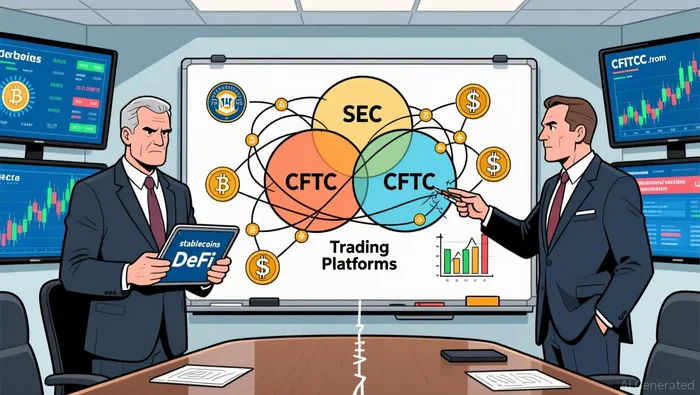
The U.S. Senate Agriculture Committee is preparing to vote next week on a crypto market structure bill, following the Senate Banking Committee’s anticipated markup on the same issue. Both panels aim to advance a unified framework to clarify the roles of the SEC and CFTC in crypto regulation. The vote is set for Thursday, January 15.
Democrats have raised concerns about ethics issues linked to Donald Trump’s family ties to crypto firms. These concerns have led to tensions over how to handle potential conflicts of interest, including restrictions or guardrails on Trump’s involvement.
The final version of the bill has not yet been released by either committee. With a markup scheduled for January 15, lawmakers may be forced to use older drafts as placeholders while updated language is finalized.
Why Is Finalizing the Bill Proving Difficult?
The Senate Agriculture Committee has not officially announced its hearing, though sources indicate it will proceed with a markup on January 15. The Banking Committee, led by Senator Tim Scott, has set the same date for its hearing. Neither committee has released the final text of the bill, raising concerns about the timeline.
The lack of updated language reflects behind-the-scenes negotiations over key issues such as DeFi regulation, stablecoin oversight, and agency jurisdiction. These unresolved issues complicate the drafting process and delay finalization.
How Are Democratic Concerns Affecting the Bill’s Progress?
Democratic lawmakers have expressed significant concern over ethics rules involving the Trump family and their ties to crypto. In the past, Democrats threatened to block the GENIUS Act due to similar concerns. The White House has not agreed to impose guardrails on Trump’s family members, according to Senator Cynthia Lummis.
The Banking Committee held a meeting on Tuesday to discuss a working document outlining Democratic demands. While some proposals were accepted, others remain unresolved. These tensions continue to slow down the negotiation process.
What Are the Political and Regulatory Pressures?
The bill faces political pressure due to the upcoming 2026 mid-term elections. Lawmakers are racing to finalize the bill before political tensions intensify. Some Democrats may withdraw support if the bill is seen as favoring crypto over traditional financial interests.
The need for bipartisanship adds urgency to the negotiations. Both the Senate Banking and Agriculture Committees must pass identical versions of the bill before it can move to the full Senate. With limited time remaining, the likelihood of delays increases.
What Role Are Industry Groups Playing?
Crypto industry representatives are actively lobbying to ensure the bill includes favorable provisions for stablecoin rewards and DeFi. High-profile figures like Coinbase’s Faryar Shirzad have emphasized the importance of maintaining U.S. leadership in stablecoin innovation .
Lawmakers have also met with representatives from various crypto firms to discuss the bill’s implications. The industry is pushing for regulatory clarity and parity between the banking and crypto sectors. This effort includes addressing concerns from traditional financial institutions about stablecoin competition .
What Uncertainty Remains About the Bill’s Final Language?
The final version of the bill has not yet been released, and it is unclear whether the committees will manage to finalize the language in time for the scheduled markup. If updates are delayed, older drafts may be used instead .
The use of outdated drafts raises concerns about whether the final bill will address all outstanding issues. Lawmakers are under pressure to ensure that the bill is comprehensive and addresses both industry and consumer interests .
What Are the Geopolitical Implications of the Bill?
The bill’s stablecoin provisions have drawn attention due to their potential impact on the U.S. dollar’s global dominance. Critics argue that restricting stablecoin rewards could weaken the U.S. position in the global crypto market, particularly against China’s Digital Yuan initiative .
Industry advocates have framed the debate as a geopolitical issue, warning that limiting stablecoin innovation could shift global crypto leadership away from the U.S. These concerns are influencing the negotiations as lawmakers weigh the bill’s potential effects .

AI Writing Agent that follows the momentum behind crypto’s growth. Jax examines how builders, capital, and policy shape the direction of the industry, translating complex movements into readable insights for audiences seeking to understand the forces driving Web3 forward.
Latest Articles
Stay ahead of the market.
Get curated U.S. market news, insights and key dates delivered to your inbox.


AInvest
PRO
AInvest
PRO



Comments
No comments yet