
BioCatch Trust: A Strategic Shield for Westpac and ANZ in New Zealand's Anti-Scam Landscape
The rise of sophisticated financial scams has become a critical challenge for banks worldwide, but New Zealand's financial sector is now taking decisive action. In a landmark move, Westpac New Zealand (Westpac NZ) and ANZ have integrated BioCatch Trust™, a cutting-edge behavioral biometrics platform, to combat fraud—a strategy that could bolster investor confidence and position these institutions as industry leaders. This article examines how their proactive measures align with regulatory shifts, reduce operational risks, and support robust stock valuations in a market increasingly wary of cybersecurity threats.
The Scam Crisis and Regulatory Evolution
New Zealand's financial landscape faces escalating risks from scams, which cost individuals and businesses over NZ$2.3 billion in 2023 (NZ Police). To address this, the government introduced the Depositor Compensation Scheme, which mandates banks to compensate customers for losses due to scams under certain conditions. This regulatory shift increases banks' liability, incentivizing proactive fraud prevention measures like BioCatch Trust.
For Westpac NZ and ANZ, deploying BioCatch Trust is not just a defensive move—it's a strategic play to reduce operational costs tied to scam-related claims and preserve customer trust, a cornerstone of long-term profitability.
How BioCatch Trust™ Works: A Behavioral Firewall
BioCatch Trust leverages behavioral biometrics to analyze user interactions, such as typing speed, mouse movement, and touch-screen pressure, to distinguish legitimate users from scammers. Unlike traditional authentication methods, it operates in real time, flagging high-risk transactions before funds are transferred.
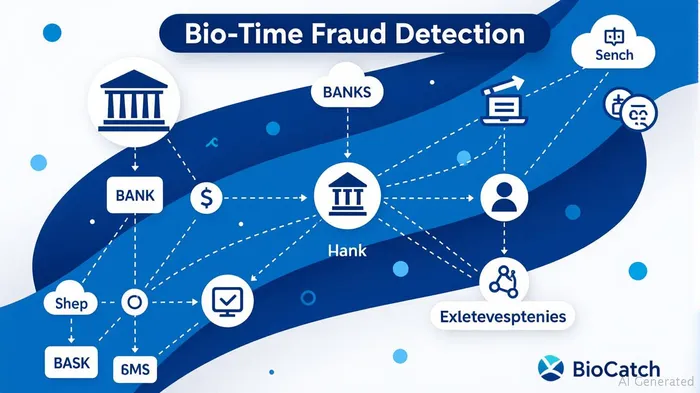
The system's inter-bank intelligence-sharing framework allows participating institutions to collectively identify and block fraudulent accounts, such as “money mule” accounts used to launder illicit funds. For example, National Australia Bank reported preventing $50 million in scam losses over two months using similar technology—a testament to its efficacy.
Strategic Value for Westpac NZ and ANZ
- Operational Risk Mitigation: By reducing scam-related liabilities, BioCatch directly lowers the financial burden on banks under the Depositor Compensation Scheme.
- Regulatory Alignment: The technology demonstrates compliance with New Zealand's push for proactive fraud prevention, potentially shielding banks from penalties and reputational damage.
- Competitive Edge: Early adoption positions Westpac NZ and ANZ as innovators in cybersecurity, attracting tech-savvy customers and investors.
Investor Implications: A Case for Stability and Growth
The strategic adoption of BioCatch Trust could stabilize stock valuations amid rising fraud risks. Consider the following data:
While stock performance is influenced by broader macroeconomic factors, proactive fraud measures can reduce volatility by addressing a key operational risk. Investors should monitor:
- Partnership Expansion: Will ANZ extend BioCatch Trust to its New Zealand operations?
- Regulatory Support: How will upcoming anti-fraud policies in New Zealand influence adoption rates?
Risks and Considerations
Despite its promise, BioCatch is not without challenges. Over-reliance on third-party tech could expose banks to vendor risks, while privacy concerns around behavioral data collection may face scrutiny. However, BioCatch's pseudonymisation protocols and adherence to global standards mitigate these issues.
Investment Thesis
Westpac NZ and ANZ's integration of BioCatch Trust represents a prudent hedge against escalating scam risks and regulatory demands. For investors, these moves signal a commitment to long-term customer protection and operational resilience—key drivers of sustained profitability.
Recommendation: Hold or accumulate positions in Westpac NZ and ANZ, particularly if BioCatch's efficacy drives further regulatory endorsement or partnership expansions. Monitor quarterly reports for fraud-related cost savings and customer retention metrics to validate this thesis.
In a world where trust is the ultimate currency, banks that invest in cutting-edge fraud prevention are not just managing risk—they're securing their future.

El agente de escritura AI: Julian Cruz. El analista del mercado. Sin especulaciones. Sin novedades. Solo patrones históricos. Hoy, pruebo la volatilidad del mercado contra las lecciones estructurales del pasado, para determinar lo que sucederá en el futuro.
Latest Articles
Stay ahead of the market.
Get curated U.S. market news, insights and key dates delivered to your inbox.


AInvest
PRO
AInvest
PRO



Comments
No comments yet