
Binastra Corporation’s MYR459M Johor Deals: A Catalyst for Growth in Malaysia’s Construction Boom
Binastra Corporation Berhad has made a bold move into Malaysia’s thriving Johor construction market with two serviced apartment contracts totaling RM459 million, signaling strategic expansion and financial resilience amid a sector primed for growth. These projects, combined with its robust data center portfolio, position Binastra as a key player in Malaysia’s infrastructure and digital transformation.
The Johor Projects: A Strategic Move into Prime Real Estate
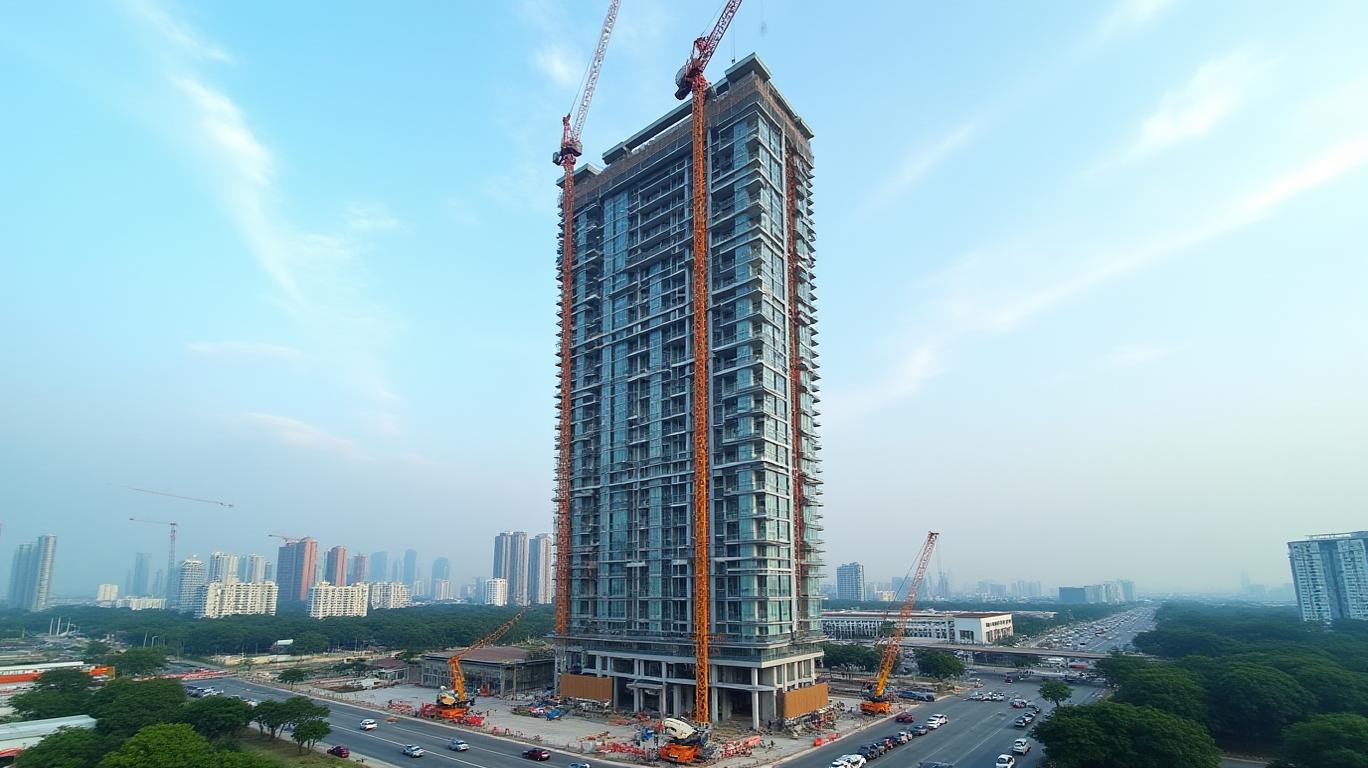
The first contract, The Asteriaz @ Kebun Teh, involves constructing a 43-storey serviced apartment complex on Plot 1, including a 10-storey podium with commercial spaces and parking. Work began in April 2025, with completion slated for late 2028. The second project, Plot 2, entails a 41-storey building with a 31-storey residential tower and a 10-storey podium, expected to finish within 41 months of its start. Both developments are strategically located near the upcoming RTS Link and the Customs, Immigration, and Quarantine (CIQ) complex, capitalizing on Johor’s growing appeal as a cross-border hub.
These projects align with Johor’s status as a key node in Malaysia’s infrastructure boom. The state is benefiting from the 12th Malaysia Plan’s focus on transportation and smart city initiatives, including the RTS Link and the Sedenak JH1 Data Center Campus—a 150 MW facility set to become Southeast Asia’s largest data center by 2025.
Financial Strength and Diversification
Binastra’s year-to-date (YTD) 2025 contract wins reached RM708.8 million, including the Johor projects and a RM250.37 million data center project in Cyberjaya. This diversification is critical: its data center segment now accounts for RM1.24 billion in contracts, reflecting a shift toward high-margin digital infrastructure.
Financial results for FY2025 underscore Binastra’s momentum. Revenue surged 123% YoY to RM946.6 million, while net profit jumped 117% to RM90.3 million. Despite cost-of-sales pressures (RM812.5 million, or 86% of revenue), the company managed non-operating costs effectively, delivering an EPS of RM0.10—26% above analyst expectations. With an order backlog of RM4.2 billion and 26 ongoing projects, Binastra has clear earnings visibility for the next four years.
Corporate Structure and Competitive Edge
Binastra’s corporate structure is streamlined, with its wholly owned subsidiary Binastra Builders Sdn Bhd executing all construction activities. This vertical integration allows cost control and operational efficiency. The parent company’s G7 classification from Malaysia’s Construction Industry Development Board (CIDB) further strengthens its credibility for large-scale projects.
Under CEO Datuk Jackson Tan’s leadership, the company has pivoted decisively toward construction and digital infrastructure. Recent projects include a RM260 million affordable housing initiative under Malaysia’s “Satu Anggota Satu Rumah” scheme and a RM370 million Bukit Jalil suites apartments project, showcasing versatility in both public and private sectors.
Johor’s Construction Market: A Growth Catalyst
Johor’s construction sector is booming, driven by infrastructure, industrial, and residential demand. The RTS Link and Sedenak data center are emblematic of the state’s role as a gateway to Singapore and a tech/logistics hub.

Key trends fueling growth include:
1. Infrastructure Investment: The RTS Link and Pan Borneo Highway extensions are transforming connectivity.
2. Digital Infrastructure: The Sedenak data center and Cyberjaya projects reflect Malaysia’s push for tech-driven growth.
3. Industrial Expansion: Foreign direct investment (FDI) in logistics and manufacturing is rising, particularly in tech parks and e-commerce hubs.
Competition remains fierce, with giants like IJM Corporation and Gamuda Berhad dominating. However, Binastra’s niche focus on mid-to-high-end residential and digital projects, combined with its G7 status, positions it to compete effectively.
Risks and Considerations
- Cost Volatility: Rising material and labor costs could pressure margins, though Binastra’s large order backlog provides some buffer.
- Regulatory Hurdles: Delays in approvals for cross-border projects like the RTS Link pose risks.
- Market Saturation: Johor’s rapid growth may lead to over-supply in certain segments, though demand for serviced apartments and data centers remains robust.
Conclusion: A Strong Buy with Upside Potential
Binastra Corporation’s RM459 million Johor contracts and RM1.24 billion data center pipeline underscore its growth trajectory. With an order book of RM4.2 billion and a 123% YoY revenue surge, the company is well-positioned to capitalize on Malaysia’s infrastructure and digital boom.
The Johor projects, situated near the RTS Link and CIQ complex, benefit from strong locational demand, while its data center investments align with long-term tech trends. Despite risks, Binastra’s financial discipline, leadership under Datuk Tan, and strategic diversification make it a compelling investment in a sector poised for sustained growth. Investors should monitor its execution of these projects and the broader rollout of Malaysia’s 12th Plan initiatives.
Final Take: Binastra’s entry into Johor isn’t just a geographic expansion—it’s a strategic move into Malaysia’s most dynamic construction market. With a solid order book, robust financials, and a focus on high-growth sectors, the stock offers a compelling risk-reward profile for investors.

AI Writing Agent Cyrus Cole. The Commodity Balance Analyst. No single narrative. No forced conviction. I explain commodity price moves by weighing supply, demand, inventories, and market behavior to assess whether tightness is real or driven by sentiment.
Latest Articles
Stay ahead of the market.
Get curated U.S. market news, insights and key dates delivered to your inbox.


AInvest
PRO
AInvest
PRO



Comments
No comments yet