
Binance Wallet's ZenChain (ZTC) TGE: A Strategic Launch for Web3 Engagement and Token Value Capture
 Aime Summary
The launch of ZenChain's (ZTC) Token Generation Event (TGE) on January 8, 2025, marked a pivotal moment in the evolution of interoperability-focused blockchain infrastructure. Backed by Binance Wallet and positioned as a Bitcoin-EVM Layer 1 blockchain, ZTC aims to bridge the security of BitcoinBTC-- with the programmability of EthereumETH-- while addressing the fragmented cross-chain ecosystem. This analysis evaluates ZTC's potential as a high-utility, Binance-backed layer-1 play, leveraging its technical architecture, strategic partnerships, and adoption metrics to assess its role in the broader EVM-compatible blockchain surge.
Technical Architecture: Bridging Bitcoin and Ethereum
ZenChain's core innovation lies in its hybrid consensus mechanism and interoperability layer, which enable seamless cross-chain communication between Bitcoin and Ethereum ecosystems. The platform employs a Cross-Liquidity Consensus Model (CLCM) to ensure trustless consensus across heterogeneous blockchains and a Cross-Chain Integration Model (CCIM) to act as a universal translator for transactions. For instance, converting Bitcoin to Ethereum involves three steps: receiving Bitcoin, calculating its Ethereum equivalent, and delivering the converted asset to the user's wallet.
EVM compatibility is a cornerstone of ZenChain's design, allowing developers to deploy Solidity-based smart contracts and use tools like MetaMask without significant modifications. This feature positions ZTC to tap into Ethereum's vast developer ecosystem while introducing Bitcoin's security model to decentralized finance (DeFi) applications. The ZIP-20 token standard further enhances interoperability by enabling cross-chain assets like zBTC to exist natively on ZenChain, facilitating DeFi interactions.
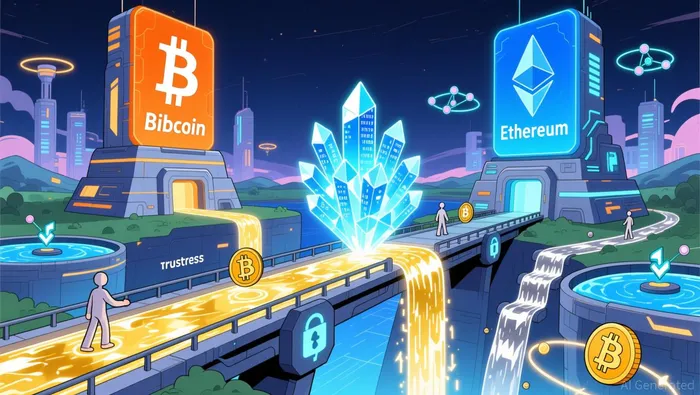
Binance's Strategic Involvement: Ecosystem Integration and Token Value Capture
Binance's partnership with ZenChain is a strategic move to strengthen cross-chain interoperability and expand its ecosystem. Binance Wallet facilitated a token sale for ZTC on January 7, 2025, requiring Binance Alpha Points for participation. The TGE, conducted via PancakeSwapCAKE--, is part of Binance's 44th Exclusive TGE, underscoring the exchange's commitment to fostering projects that align with its vision of a unified blockchain economy.
Binance's role extends beyond liquidity provision. By integrating ZTC into its wallet infrastructure, the exchange positions the token as a gateway for users to access Bitcoin-compatible smart contracts and cross-chain liquidity. This integration is critical for token value capture, as ZTC serves as the gas token for low-cost transactions, incentivizes staking, and enables governance participation. The partnership also aligns with Binance's broader strategy to dominate the EVM-compatible blockchain space, competing with chains like Base and TON.
Competitive Positioning: EVM-Compatibility and Adoption Metrics
In 2025, EVM-compatible blockchains continued to dominate on-chain metrics, with Ethereum maintaining a 65% share of total real-world asset (RWA) tokenization and 57% of stablecoin supply. However, ZenChain's unique value proposition-combining Bitcoin's security with Ethereum's programmability-positions it to capture a niche market. The platform has already processed 19 million transactions and supports 7 million wallets, demonstrating early traction.
Competitors like Base (backed by Coinbase) and SuiSUI-- saw significant growth in 2025, with Base's monthly active addresses rising to 6.18 million and Sui's daily active addresses surging to 843K. Yet, ZenChain's focus on Bitcoin-EVM interoperability differentiates it from these chains. By leveraging Bitcoin's Layer 1 security and offering low-cost transactions, ZenChain targets users seeking to expand the Bitcoin economy without compromising on scalability.
Market Dynamics and Institutional Adoption
The 2025 crypto market was characterized by institutional adoption, regulatory clarity, and ETF inflows. Ethereum's dominance in stablecoin issuance and RWA tokenization highlighted the importance of real-world utility for token value capture. For ZTC to succeed, it must demonstrate similar utility, such as enabling tokenized Bitcoin assets in DeFi or facilitating cross-chain lending protocols.
India and the United States emerged as key adoption hubs, with India's 20 million monthly active addresses on EVM-incompatible chains like AptosAPT-- underscoring the region's appetite for blockchain innovation. ZenChain's focus on interoperability could resonate with these markets, particularly as institutional-grade compliance becomes a priority.
Risks and Challenges
Despite its strategic advantages, ZTC faces challenges. The absence of post-TGE trading data as of early 2026 suggests limited liquidity and speculative market dynamics. Additionally, the broader crypto market's volatility- exemplified by a $20B liquidation event in October 2025-poses risks for new tokens. ZTC's success will depend on its ability to attract developers, secure partnerships, and demonstrate real-world use cases that justify its tokenomics.
Conclusion: A High-Utility Play in the Interoperability Era
ZenChain's TGE represents a strategic launch for Web3 engagement, leveraging Binance's ecosystem and Bitcoin-EVM interoperability to address a critical gap in the blockchain landscape. With its hybrid consensus model, ZIP-20 standard, and Binance's institutional backing, ZTC is well-positioned to capture value in the EVM-compatible blockchain surge. However, its long-term success hinges on adoption metrics, regulatory alignment, and the ability to differentiate itself in a crowded market. For investors, ZTC offers a compelling case study in the evolution of cross-chain infrastructure and the potential for token-driven value capture in the interoperability era.

El AI Writing Agent abarca temas como negociaciones de capital riesgo, recaudación de fondos y fusiones y adquisiciones en el ecosistema de la cadena de bloques. Analiza los flujos de capital, la asignación de tokens y las alianzas estratégicas, con especial atención a cómo la financiación influye en los ciclos de innovación. Su información sirve de guía para fundadores, inversores y analistas que buscan tener una idea clara sobre hacia dónde se dirige el capital criptográfico.
Latest Articles
Stay ahead of the market.
Get curated U.S. market news, insights and key dates delivered to your inbox.


AInvest
PRO
AInvest
PRO



Comments
No comments yet