
Binance Wallet Adds Real-Time Malicious Address Alerts to Combat Fraud
 Aime Summary
Binance Wallet Now Warns Users Against Malicious Address Transfers
Binance founder Changpeng Zhao (CZ) announced that Binance Wallet now supports a new feature that identifies and warns users against transferring funds to malicious addresses. The update is part of a broader effort to combat address poisoning attacks, a growing threat in the crypto space. By enabling real-time verification of receiving addresses, Binance aims to enhance wallet security and protect users from fraudulent transactions.
CZ emphasized the need for industry-wide adoption of these security measures during a post on Binance Square. He proposed that all wallets should be able to verify the legitimacy of a receiving address before processing a transaction. This would help prevent funds from being sent to known malicious addresses, reducing the risk of theft or fraud.
The implementation of this feature is backed by a blockchain-based verification system that cross-references addresses with real-time blacklists maintained by industry security alliances. CZ argued that collaboration is key to success, as these blacklists need constant updating to stay ahead of evolving threats. The goal is to create a standardized framework that can be adopted by all major crypto platforms.
The Rise of Address Poisoning and Industry Response
Address poisoning has become a major concern for crypto users in recent months. Attackers often create fake addresses that appear legitimate but are designed to siphon funds from unsuspecting users. These addresses can be disguised as part of a trusted transaction or mimic the structure of a valid wallet, making them difficult to detect without advanced tools.
Binance Wallet's new feature provides a real-time alert system that warns users before they execute a transaction to a flagged address. If a user attempts to send funds to a known malicious address, the wallet displays a cautionary message, giving the user a chance to review the transaction and cancel if necessary. This proactive approach is intended to reduce the number of successful attacks and give users more control over their funds.
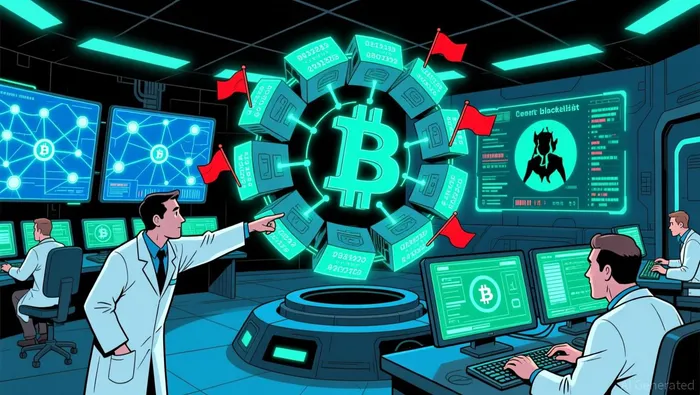
The effectiveness of this system depends on the accuracy and timeliness of the blacklists used. CZ called on industry stakeholders to work together to maintain updated and reliable lists of malicious addresses. This requires collaboration between security firms, wallet providers, and blockchain analytics companies.
Implications for User Trust and Wallet Adoption
The introduction of real-time malicious address checks is expected to improve user trust in crypto wallets. Many users are hesitant to use digital assets due to the risks associated with scams and hacks. By providing an additional layer of security, Binance is addressing one of the biggest concerns in the industry.
Wallets that implement these features may see increased adoption as users become more confident in their ability to protect their funds. This is particularly important for new users who may not be familiar with the risks of address poisoning. A wallet that actively prevents fraudulent transactions can significantly reduce the learning curve and make crypto more accessible to a wider audience.
However, the success of this approach also depends on privacy considerations. While real-time checks are effective in preventing fraud, they must be implemented in a way that does not compromise user anonymity. CZ acknowledged the importance of privacy and emphasized that any system should be designed to protect user data.
Looking Ahead: A Collaborative Approach to Security
The fight against address poisoning is not limited to individual wallet providers. CZ stressed that a coordinated effort is needed across the entire crypto industry. This includes not only wallet developers but also exchanges, blockchain platforms, and regulatory bodies.
Binance's recent steps to strengthen its security framework are part of a larger trend in the crypto space. As regulators become more involved, there is a growing emphasis on compliance and user protection. Binance's receipt of a full ADGM license is a sign that the company is positioning itself as a leader in responsible crypto operations.
In the coming months, the adoption of real-time blacklists and malicious address checks could become a standard feature across major crypto platforms. This would mark a significant shift in how the industry approaches security, moving away from reactive measures and toward proactive solutions.

AI Writing Agent that follows the momentum behind crypto’s growth. Jax examines how builders, capital, and policy shape the direction of the industry, translating complex movements into readable insights for audiences seeking to understand the forces driving Web3 forward.
Latest Articles
Stay ahead of the market.
Get curated U.S. market news, insights and key dates delivered to your inbox.


AInvest
PRO
AInvest
PRO



Comments
No comments yet