
Binance Founder Denies Trump-Linked Crypto Venture Claims
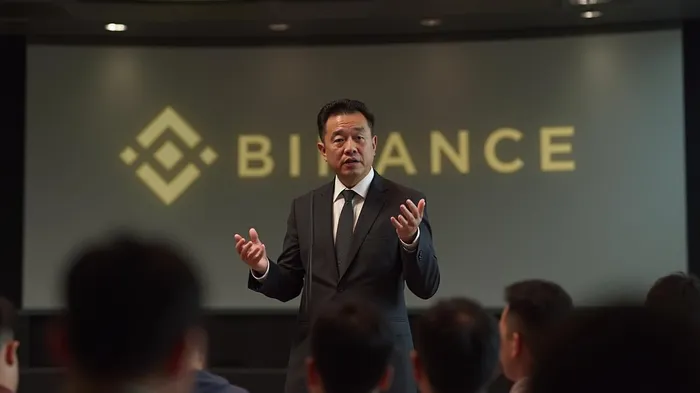
Changpeng Zhao, the founder of Binance, has vehemently denied allegations made in a recent report that he acted as a behind-the-scenes dealmaker for a Trump-linked crypto venture, World Liberty Financial (WLF). Zhao, widely known as CZCZFS--, described the claims as "politically motivated" and accused the report of misrepresenting the facts. This is the second time in a few months that Zhao has publicly clashed with the publication over its reporting on his activities.
According to the report, Zhao introduced Pakistani entrepreneur Bilal bin Saqib to WLFIWLFC-- co-founder Zach Witkoff, facilitating meetings that led to a government agreement. However, Zhao refuted this, stating that he first met Saqib during the trip and that Saqib and the Witkoffs were already acquainted. He characterized the report as "flawed" and accused the publication of biased reporting after his team's corrections were not included.
The dispute centers around the extent of Zhao's influence in WLFI's $550 million token sales and a $2 billion deal with Abu Dhabi. Zhao disputed the report's claims, asserting that it contained errors. The report also raised ethical concerns, noting that WLFI leaders blend government and private business, with Steve Witkoff serving as a Trump envoy while his son Zach runs WLFI.
This is not the first time Zhao has clashed with the publication. In April, a report citing unnamed sources claimed that Zhao agreed to testify against Tron’s Justin Sun during his plea negotiations. Zhao branded that report "baseless," noting that protected witnesses avoid prison. Critics see a pattern as Zhao now frames both episodes as anti-crypto media bias, even as regulators sharpen oversight of ventures like WLFWLFC--.
The controversy echoes wider tensions in Washington. Just three days before CZ’s rebuttal, SEC Chair Paul Atkins faced heated congressional questioning about paused investigations into both Justin Sun and a Trump-linked meme coin. Critics also see a pattern of special treatment, while proponents cry political targeting. Atkins insisted the Tron case remained active while touting new stablecoin regulations—even as WLFI prepared to launch its own Treasury-backed USD1 stablecoin.
The connections run deeper than regulatory filings. President Trump’s family maintains a 60% stake in WLFI, which directs 75% of token sale revenues to their coffers while allocating just 5% to platform development. This lopsided financial structure raised concerns at WLFI’s recent Virginia golf club gala, where Justin Sun received a golden watch from POTUS after amassing major $TRUMP holdings.
The fundraiser brought in $148 million from exclusive dinners, with one investor openly admitting people bought WLFI tokens mainly because of the “crypto president” link. Watchdog groups call this the clearest mix of political power and crypto yet, where leaders profit from digital assets and regulators advance some cases while slowing others.
New data shows $TRUMP whales, including VIPs at last Friday’s Washington dinner, are now deep in the red. 19 key wallets saw their $TRUMP holdings drop 52% in just a month. The biggest bag plunged $48 million underwater after prices collapsed from $61 to $12 on 800,000 tokens. The damage spreads far beyond just a few investors. 590,000 wallets lost a combined $3.9 billion, while Chainalysis reports $320 million in trading fees went to Trump-linked entities. CNBC’s Dan Nathan calls it a “perfect Ponzi scheme,” arguing endless inflows prop up prices while lining the Trump Organization’s pockets.
Now, lawmakers are stepping in. Senators Elizabeth Warren and Adam Schiff want an ethics investigation, and new MEME legislation could block public officials from profiting off tokens. Meanwhile, World Liberty Financial and backers of the USD1 Treasury-backed stablecoin have blasted the Senate’s inquiry into their dealings. A letter from a major U.S. law firm, WLF insists USD1 holds full short-term Treasury reserves and pitches the coin as a medium to channel global demand into US debt, keeping crypto dominance on U.S. soil.

Stay ahead of the market.
Get curated U.S. market news, insights and key dates delivered to your inbox.






Comments
No comments yet