
Binance Facilitates USD1 Stablecoin Launch for Trump Linked Firm
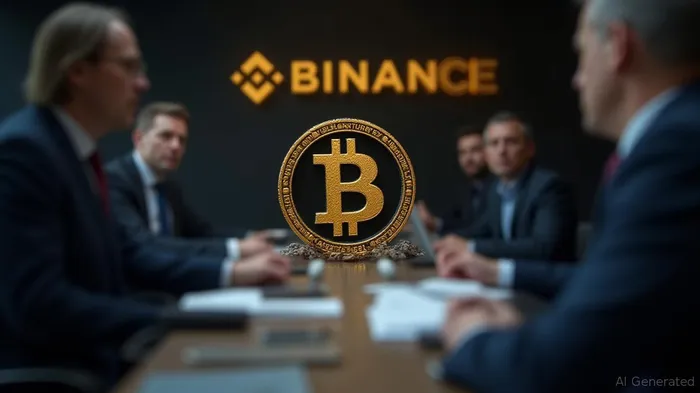
Binance, one of the world’s largest cryptocurrency exchanges, has been reported to have played a significant role in the development and deployment of the USD1 stablecoin, issued by World Liberty Financial (WLF), a company associated with former US President Donald Trump. The USD1 stablecoin was launched on March 4 and was central to a $2 billion investment from Abu Dhabi-based MGX, which used the stablecoin to finalize the transaction. Sources indicate that Binance not only contributed to the stablecoin’s underlying code but also facilitated its largest transaction, underscoring the exchange’s deep involvement in this politically connected crypto venture.
Data reveals that roughly 90% of the USD1 stablecoins used in the MGX investment remain in Binance’s wallets. This custodial arrangement could generate tens of millions of dollars in interest for WLF, potentially benefiting Trump and his family financially. Such a setup raises critical questions about the transparency and governance of stablecoin reserves, especially when intertwined with political figures. The financial benefits accruing from these holdings emphasize the need for stringent oversight in crypto transactions involving politically exposed persons.
Donald Trump’s crypto-related enterprises, including WLF and the Official Trump (TRUMP) memecoin, have attracted considerable attention from US lawmakers. The timing of the report coincides with the House of Representatives’ anticipated review of three cryptocurrency bills, notably the GENIUS Act, which aims to regulate payment stablecoins in the United States. Although initially stalled by Senate Democrats due to concerns over Trump’s crypto interests, the bill passed with bipartisan support and awaits a House vote. Trump has publicly indicated his willingness to sign the legislation promptly if passed without amendments, signaling potential shifts in the regulatory landscape.
The reported ties between Binance and WLF underscore broader concerns about conflicts of interest within the crypto sector, particularly when political influence intersects with business operations. The involvement of Changpeng “CZ” Zhao, Binance’s former CEO who pleaded guilty to a felony in 2023 and is reportedly seeking a presidential pardon, adds another layer of complexity. A pardon could enable Zhao’s return to a leadership role in the US crypto market, potentially influencing regulatory and operational dynamics. These developments highlight the intricate relationship between regulatory frameworks, political figures, and major crypto exchanges.
As the US Congress deliberates on stablecoin legislation, the outcome will likely shape the future of crypto regulation and market practices. The GENIUS Act’s passage could establish clearer guidelines for payment stablecoins, affecting issuers like WLF and exchanges such as Binance. Industry stakeholders and investors should closely monitor these legislative developments, as they will influence compliance requirements, market stability, and investor protections. The intersection of political affiliations and crypto business operations will remain a critical area for regulatory scrutiny moving forward.
The collaboration between Binance and World Liberty Financial in launching and managing the USD1 stablecoin exemplifies the growing entanglement of political figures with the cryptocurrency industry. This relationship, coupled with pending stablecoin legislation, underscores the urgent need for transparent governance and robust regulatory frameworks. As lawmakers prepare to vote on key crypto bills, the industry faces a pivotal moment that could redefine stablecoin oversight and address potential conflicts of interest inherent in politically connected crypto ventures.

Comprender rápidamente la historia y el origen de distintas monedas reconocidas
Latest Articles
Stay ahead of the market.
Get curated U.S. market news, insights and key dates delivered to your inbox.


AInvest
PRO
AInvest
PRO



Comments
No comments yet