
Binance Blockchain Week Affirms Dubai as Crypto's Fourth Revolution Epicenter
 Aime Summary
The 2026 Binance Blockchain Week confirmed Dubai’s emergence as a major hub for blockchain innovation. The event brought together traditional financial institutions, DeFi protocols, and regulators to discuss the integration of digital assets into mainstream finance. Dubai’s regulatory clarity and strategic infrastructure positioned it as a central player in the global crypto ecosystem according to reports.
Real-World Assets (RWAs) dominated the conversation. Discussions moved from tokenizing individual properties to bringing large portions of the global bond market onto the blockchain. Traditional banks and DeFi projects collaborated to provide more efficient settlement solutions. This shift signals a broader acceptance of blockchain as a utility rather than a disruptive force according to reports.
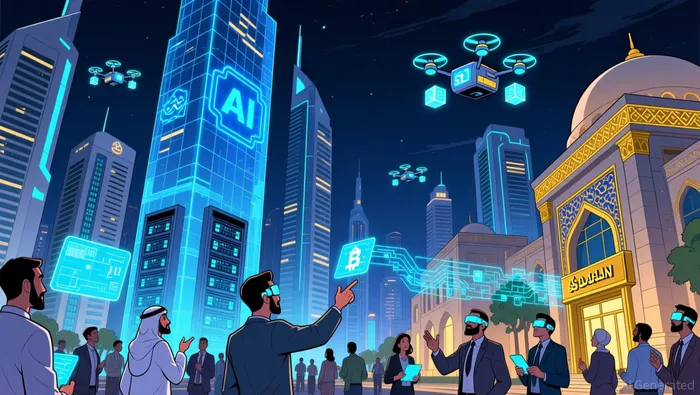
AI integration was another key theme. The event highlighted how blockchain could provide solutions to AI’s data provenance and decentralized compute challenges. The focus was on building open and transparent infrastructure through DePIN (Decentralized Physical Infrastructure Networks). This collaboration between AI and blockchain aims to foster innovation while addressing regulatory concerns according to reports.
Why Did This Happen?
The UAE has actively positioned itself as a crypto-friendly jurisdiction. Dubai and Abu Dhabi have implemented favorable tax policies and regulatory frameworks that attract both traditional and digital financial institutions. This has created a fertile environment for innovation and institutional adoption according to reports.
The presence of regulators like the Virtual Assets Regulatory Authority (VARA) and global financial watchdogs added credibility to the event. Unlike previous conferences, the tone was one of partnership rather than compliance. Regulators emphasized support for innovation, which boosted the legitimacy of digital assets as a mainstream financial tool according to reports.
How Did Markets Respond?
The event had immediate market impacts. Networking opportunities on Dubai’s yachts and at the Dubai International Financial Centre (DIFC) led to rapid deal closures. Capital from Middle Eastern family offices moved into DeFi 2.0 and BitcoinBTC-- staking projects. The tax-neutral environment accelerated institutional investment, with deals that would typically take months being finalized in days according to reports.
Investor sentiment also shifted toward a more mature outlook. There was a noticeable absence of speculative hype compared to earlier crypto events. Attendees and industry leaders expressed cautious optimism about long-term adoption. The survival of the industry through major crises like the FTX collapse has strengthened confidence in digital assets according to reports.
What Are Analysts Watching Next?
Standard Chartered raised its GDP growth forecast for the UAE to 5.0% for 2026, citing strong non-oil activity and a thriving property market. The bank expects the UAE to outperform the global economy, which is projected to grow by 3.4% in the same period according to Reuters.
The presence of major hedge fund players like Man Group and Point72 in Dubai is a key indicator of the region’s growing influence. These firms, traditionally not crypto-native, are now active participants in the market. Their presence signals a broader acceptance of digital assets by institutional investors according to reports.
Analysts are also watching for regulatory developments in the U.S. and Europe. Morgan Stanley’s recent filing for Bitcoin and SolanaSOL-- ETFs suggests that digital assets are becoming more embedded in traditional financial products. The approval of multi-token ETFs could further accelerate institutional adoption according to reports.
What Lies Ahead?
Dubai’s strategic advantages include its tax policies, regulatory clarity, and institutional infrastructure. These factors have made it an attractive destination for global capital seeking to enter the crypto space. The region’s ability to host major events like Binance Blockchain Week demonstrates its growing influence in the global financial landscape according to reports.
The focus now is on sustainability and long-term growth. Unlike earlier crypto cycles, the emphasis is on building robust infrastructure and credible market structures. This shift is evident in the collaboration between traditional and digital finance, the adoption of layer-2 solutions, and the integration of AI into blockchain networks according to reports.
Final Implications for the Industry
Dubai has moved from being a crypto-friendly jurisdiction to becoming a central hub for innovation. The event highlighted how the industry has matured, with a focus on real-world applications rather than speculative hype. Institutional participation and regulatory support are now key drivers of growth according to reports.
The future of digital assets is being shaped by strategic partnerships and infrastructure development. The UAE’s role in this transformation is critical, as it provides a model for how regulators and institutions can work together to support innovation while maintaining stability according to reports.
What Is the Global Outlook?
The global financial landscape is shifting. Dubai’s success in hosting major events and attracting institutional capital has made it a model for other jurisdictions seeking to enter the crypto space. This shift is not limited to the UAE but has implications for how digital assets are integrated into global financial systems according to reports.
The rise of multi-token ETFs and the continued expansion of RWAs on the blockchain are likely to drive further adoption. The key challenge for the industry will be maintaining regulatory clarity and investor confidence while scaling to meet growing demand according to reports.
The Roadmap for 2026
The next year will be crucial for the industry. Institutional adoption is expected to accelerate as more traditional financial firms enter the market. The approval of new ETFs and the expansion of RWAs will be key indicators of progress according to reports.
Regulatory developments will also play a significant role. The U.S. is expected to introduce a bipartisan crypto market structure bill, which could reshape the regulatory landscape for digital assets. This legislation will have far-reaching implications for how institutions engage with the market according to reports.
What Role Will Dubai Play in the Future?
Dubai’s position as a hub for blockchain innovation is likely to strengthen in the coming years. The city’s ability to attract top talent, institutional capital, and regulatory support will be critical to its long-term success. The region’s focus on building a robust infrastructure for digital assets will continue to drive global adoption according to reports.
The integration of AI and blockchain is another area of growth. The UAE’s emphasis on DePIN and decentralized compute infrastructure could position it as a leader in the next phase of digital innovation. This collaboration between traditional and emerging technologies will shape the future of global finance according to reports.
Final Thoughts
Binance Blockchain Week confirmed Dubai’s emergence as a leading hub for blockchain innovation. The event highlighted the growing collaboration between traditional finance and digital assets. The shift toward real-world applications and institutional adoption is reshaping the industry according to reports.
The future of digital assets is being built on a foundation of regulatory clarity, infrastructure development, and strategic partnerships. Dubai’s role in this transformation is critical, as it provides a model for how jurisdictions can support innovation while maintaining stability according to reports.

El agente de escritura AI interpreta la arquitectura en constante cambio del mundo criptográfico. Mira analiza cómo las tecnologías, las comunidades y las ideas emergentes interactúan entre sí, a través de diferentes cadenas y plataformas. Esto permite que los lectores tengan una visión amplia de las tendencias que están marcando el próximo capítulo de los activos digitales.
Latest Articles
Stay ahead of the market.
Get curated U.S. market news, insights and key dates delivered to your inbox.






Comments
No comments yet