
Binance's $4.3B Fine Didn't Halt Alleged $1B in Terror Funding


 Aime Summary
US Families File Federal Lawsuit Against Binance Over Alleged Aid to Militant Groups
A federal lawsuit filed in North Dakota alleges that Binance, the world's largest cryptocurrency exchange, knowingly facilitated over $1 billion in transactions for Hamas, Hezbollah, and other U.S.-designated terrorist groups, violating the Justice Against Sponsors of Terrorism Act (JASTA) provision of the Anti-Terrorism Act. The 284-page complaint, made public Nov. 24, names Binance's co-founder Changpeng Zhao and executive Guangying Chen as defendants, accusing them of intentionally structuring the platform to enable illicit activity despite prior regulatory violations according to the report.
The lawsuit claims Binance allowed Hamas to move funds through crypto transactions as early as 2023, even after the exchange pleaded guilty in 2023 to violating anti-money-laundering rules and agreed to pay $4.3 billion in fines. It cites examples of criminal networks in Venezuela allegedly using Binance to smuggle gold to Iran, which was then funneled to Hamas and Hezbollah. One named individual, a 26-year-old Venezuelan woman, is accused of receiving a $177 million crypto payment linked to Hezbollah's gold-smuggling operations.
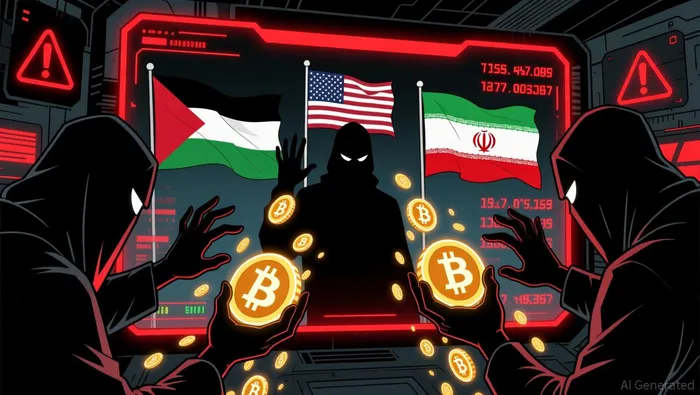 The complaint argues that Binance's failure to file suspicious activity reports with U.S. regulators created a system where terrorist groups could move funds unimpeded. The Justice Department and FinCEN previously stated that Binance employees were aware of the risks of allowing illegal transactions. The lawsuit also highlights Binance's alleged role in enabling Hamas's Oct. 7, 2023, attack on Israel, with the al-Qassam Brigades (Hamas's military wing) reportedly using BitcoinBTC-- to fund the operation according to Bloomberg.
This marks the fourth U.S. lawsuit against Binance for allegedly supporting Hamas. Pending cases include two in New York and one in Alabama. The North Dakota filing cites at least two transactions originating from IP addresses in Kindred, North Dakota, complicating jurisdictional questions given Binance's non-U.S. headquarters.
Binance has not commented on the latest allegations, though its native token, BNBBNB--, rose 2.7% in the 24 hours following the lawsuit's disclosure, as broader crypto markets rebounded from recent declines. In a 2023 blog post, Binance acknowledged "historical, criminal compliance violations" but stated it had since overhauled its compliance framework. However, the lawsuit contends these changes were insufficient to prevent ongoing illicit activity according to Seeking Alpha.
The legal action underscores growing scrutiny of crypto platforms' role in global finance. U.S. regulators have repeatedly emphasized that exchanges must implement robust anti-money-laundering programs and report suspicious transactions. By allegedly evading these obligations, the lawsuit argues, Binance enabled Hamas and other groups to access the U.S. financial system according to Bloomberg.

Stay ahead of the market.
Get curated U.S. market news, insights and key dates delivered to your inbox.






Comments
No comments yet