
Bilt Rewards: The Housing-Fintech Titan Redefining Affordability
The housing crisis isn't just about scarcity—it's about systemic inefficiency. Enter Bilt Rewards, a fintech disruptor turning rent and mortgage payments into engines of financial empowerment. Over the past two years, Bilt has engineered a network of partnerships and tools that could reshape how millions navigate housing affordability. For investors, its ecosystem now presents a rare asymmetric bet: high risk, but with the potential to capture a slice of the $1.7 trillion U.S. rent-and-mortgage market. Let's dissect why Bilt's momentum—and its 2026 inflection points—matter.
The Ecosystem: Partnerships as the Foundation
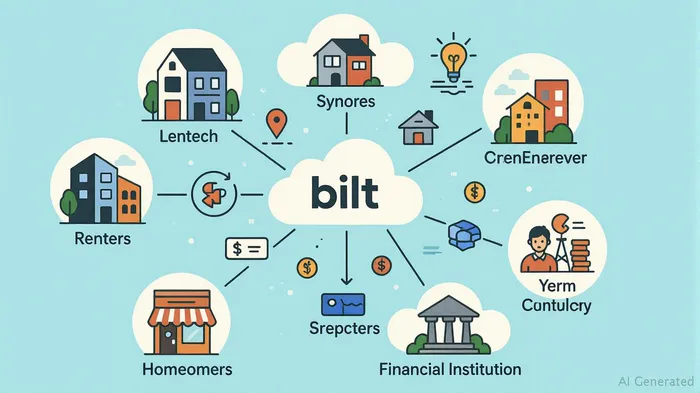
Bilt's growth hinges on its ability to align landlords, lenders, and local businesses around a shared goal: reducing friction in housing. Its 2023–2025 partnerships form a flywheel:
Cardless Transition (2024): By replacing Wells FargoWFC-- with Cardless, Bilt slashed fees (e.g., eliminating 0.80% per rent transaction) and unlocked the Bilt Card 2.0, a tiered system offering up to 5% cashback on mortgage payments. This shift, set to roll out in early 2026, could retain 15–25% of its member base through premium perks like concierge services.
Mortgage Servicers (2024): A $100M investment from United Wholesale Mortgage (UWM) into Bilt's $250M funding round wasn't just capital—it was access to the $12T mortgage market. Users now earn rewards on mortgage payments, refinancing, and HOA fees, a first in fintech.
Landlords and Property Managers (2023–2025): Securing 70% of top U.S. property managers (e.g., AvalonBay) allows Bilt to replace costly rent discounts with premium rewards. For landlords, this reduces leasing incentive costs by 5–20% while boosting tenant retention via AI-driven analytics.
Merchants and Local Commerce: With 23,000+ restaurants and 6,000 fitness studios in its network, Bilt's AI concierge isn't just a tool—it's a community builder. Merchants gain foot traffic, while renters earn points redeemable for student loans or travel.
The Innovations: Tools That Monetize Housing
Bilt's real edge lies in its financial instruments:
- Bilt Card 2.0: The $495 ultra-premium tier targets high-income users with mortgage-linked rewards. For a New York renter paying $5,000/month, this could yield $600 annually in rewards—justifying the fee. The card's rollout in 2026 is a critical test of Bilt's premium model.
- AI-Driven Data: Acquiring Banyan, an item-level receipt data firm, lets Bilt personalize offers. Imagine a renter getting a free gym class after a workout search—algorithmic serendipity driving loyalty.
- Payment Flexibility: 85% of members can use Bilt without the card, supporting ACH/debit transactions. This widens its reach beyond credit-focused rivals.
The Risks: Why Caution Matters
No moonshot is risk-free. Bilt faces three hurdles:
- Regulatory Scrutiny: The CFPB's Personal Financial Data Rights Rule demands strict compliance. Banyan's data integration must balance innovation with consumer privacy.
- Execution Timeline: The Cardless rollout (2026) must be seamless. A delayed launch could erode trust.
- Competitor Surge: Fintechs like Mesa (pet credits) and GreenSky (mortgage tech) are nipping at Bilt's heels. Its AI concierge and premium tiers must deliver differentiation.
The Investment Case: A High-Reward Gamble
Bilt's valuation—jumping from $3.25B to $10.75B in 12 months—hints at investor optimism. But for a growth portfolio, the calculus is clear:
- Buy the Dip Before 2026: If Bilt's Cardless transition and mortgage revenue milestones (end-2026) hit targets, its ecosystem could scale to $1T in rent processing by 2030.
- Monitor Data Monetization: Banyan's analytics could unlock partnerships with banks or retailers, adding new revenue streams.
- Avoid If Risk-Averse: Regulatory missteps or competitive losses could crater momentum.
Final Take
Bilt isn't just a fintech—it's a housing infrastructure play. Its partnerships have built a moat around the rent-mortgage-merchant nexus, turning everyday payments into a loyalty engine. For investors willing to bet on execution, 2026's milestones could crystallize Bilt's vision as the AirbnbABNB-- of financial services for housing. The upside? A seat at the table of the next trillion-dollar industry. The risk? A misstep that leaves it stranded in the fintech quicksand. Proceed with eyes wide open.

Delivering real-time insights and analysis on emerging financial trends and market movements.
Latest Articles
Stay ahead of the market.
Get curated U.S. market news, insights and key dates delivered to your inbox.




Comments
No comments yet