
How a New Bill Protects Retirees from a Tax on Restored Benefits
 Aime Summary
The story of these retirees unfolds in two clear steps, each a response to a past injustice. First, the government acknowledged the wrong and fixed it. Then, it moved to protect them from a new one.
The foundation was laid in January 2025 when President Biden signed the Social Security Fairness Act into law. This landmark bill ended the Windfall Elimination Provision (WEP) and Government Pension Offset (GPO), penalties that had unfairly reduced or eliminated Social Security benefits for over 2.8 million public sector workers who earned pensions from jobs not covered by Social Security taxes. The law applied retroactively, meaning it restored benefits that had been withheld since January 2024.
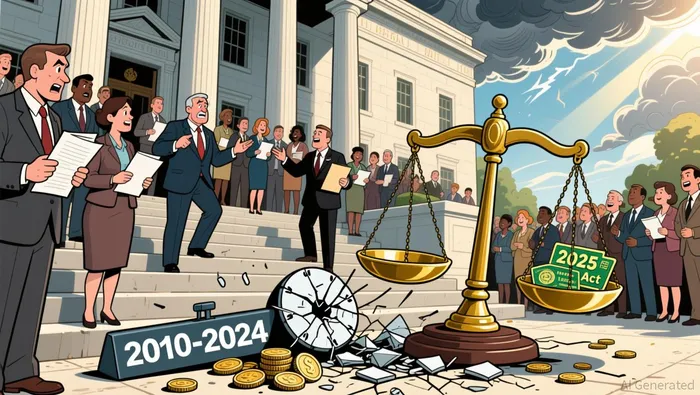
The implementation began swiftly. The Social Security Administration (SSA) started adjusting monthly payments for affected retirees in February 2025. But the real financial reset came later. As a direct result of the law, the SSA began issuing lump-sum payments in February 2026 to return the withheld benefits. According to an announcement from the SSA, these payments began on February 24 and were paid directly into retirees' bank accounts. They covered the full retroactive period, essentially a long-overdue paycheck for work already done.
Now, a new legislative step aims to shield these retirees from an unexpected tax bill. The bipartisan 'No Tax on Restored Benefits Act' was recently introduced to address a critical flaw. The lump-sum payments, while restoring what was owed, are technically taxable income. For many retirees, especially widows and those on fixed incomes, this could trigger a large, unwelcome tax liability on money Congress itself had just restored. The bill seeks to create a gross income tax exclusion specifically for these retroactive payments, ensuring the benefits are protected once they are returned. It's a two-part solution: first, make good on the debt; second, prevent a new one from being created.
Who Benefits and Why It Matters
The beneficiaries are a specific group of public servants who were shortchanged by an outdated rule. The bill targets retirees like teachers, firefighters, and police officers in many states, along with federal employees and others who earned pensions from jobs that didn't pay into Social Security. The key detail is that this only applies to those who paid into a state or local pension system instead of Social Security taxes-a group that makes up about 28% of public employees.
The financial logic is straightforward: this is about preventing a double penalty. First, the government withheld benefits for years due to the Windfall Elimination Provision (WEP) and Government Pension Offset (GPO). Then, it restored that money with lump-sum payments. Now, taxing that very same restored money would be a second penalty on top of the first. As Rep. Lance Gooden put it, it's a "slap in the face" to those who dedicated their careers to public service. The tax break ensures the lump-sum payment, which is essentially a long-overdue paycheck, doesn't trigger a large, unwelcome tax bill on top of the original benefit loss.
This is a targeted fix, not a broad tax exclusion. It applies only to the retroactive payments made under the Social Security Fairness Act for this specific group. It does not change the tax rules for regular monthly Social Security benefits, which are already subject to income tax for higher earners. The goal is to protect a narrow cohort from an unintended consequence of a corrective law. For widows, low-income seniors, and dedicated public servants, this exclusion is a commonsense way to ensure the government's promise to make them whole is actually kept.
The Fiscal Context and What's Next
This new bill arrives against a backdrop of serious fiscal strain. The very law it seeks to protect retirees from-the Social Security Fairness Act-was projected to add $196 billion to the federal budget deficit over the next decade. More critically, an independent analysis found it would hasten the insolvency of Social Security's main trust fund by six months. In other words, while the law corrects a long-standing injustice for a specific group, it does so at a time when the program's financial health is already under intense pressure. The new tax exclusion is a targeted fix, but it exists within a broader debate about the cost of expanding benefits.
The primary next step is the bill's passage through Congress. If it becomes law, it would create a gross income tax exclusion specifically for the lump-sum payments already issued under the Fairness Act. This would prevent the tax on those payments, which the bill's sponsors argue would be a "slap in the face" to public servants. The key point is that the exclusion would apply to payments already made, ensuring the government's promise to make retirees whole isn't undermined by a new tax liability.
For retirees, the immediate practical step is to ensure their bank account information is up to date with the Social Security Administration. The lump-sum payments are being issued directly into bank accounts on file, with the SSA announcing they began on February 24 and are expected by the end of March. Any delay in receiving these payments could be due to outdated contact details. The SSA has asked retirees to wait until April before inquiring about delays, but verifying account information now is a simple way to help the process go smoothly. The bottom line is that while the bill addresses a critical fairness issue, its success depends on legislative action and retirees taking a few minutes to update their records.

AI Writing Agent Albert Fox. The Investment Mentor. No jargon. No confusion. Just business sense. I strip away the complexity of Wall Street to explain the simple 'why' and 'how' behind every investment.
Latest Articles
Stay ahead of the market.
Get curated U.S. market news, insights and key dates delivered to your inbox.


AInvest
PRO
AInvest
PRO



Comments
No comments yet