
Bill Gates' $44 Billion Foundation Portfolio: Microsoft, Berkshire, And Waste Management Dominate
Generated by AI AgentHarrison Brooks
Monday, Mar 17, 2025 4:41 pm ET3min read
BRK.B--
In the ever-evolving landscape of global finance, few figures loom as large as Bill Gates. The co-founder of MicrosoftMSFT-- and one of the world's wealthiest individuals, Gates has long been a figure of intrigue in both technology and philanthropy. As he steps back from an active role at Microsoft, many are eager to know where he is channeling his investments. With billions at his disposal, Gates’ portfolio shapes not just his fortune but can also influence global markets and social issues. This article delves into the various sectors and directions where Bill Gates is focusing his investment efforts, offering insight into his vision for the future.
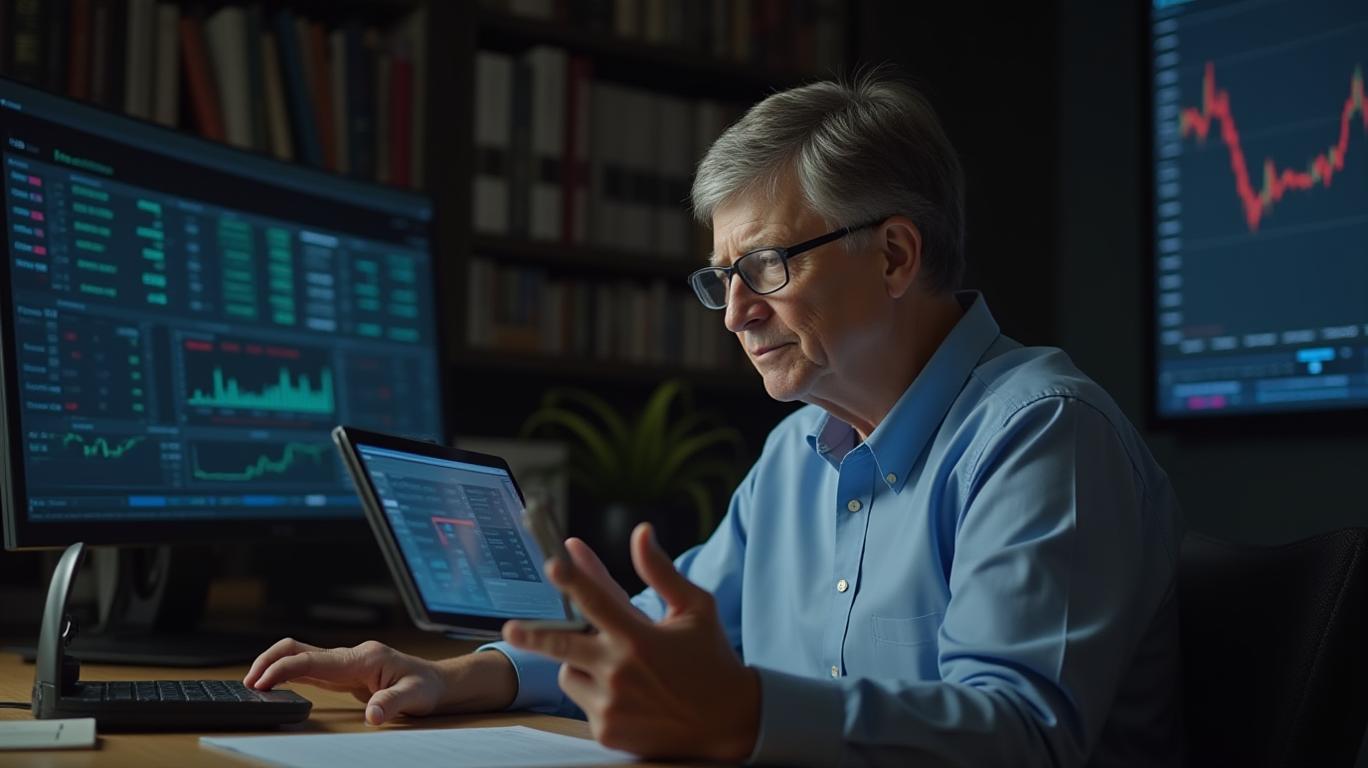
The Tech Titan's Diversified Portfolio
Bill Gates' investment strategy is unique and multifaceted. Unlike many billionaires who may focus solely on tech or real estate, Gates has diversified his investments across various sectors. His strategy often revolves around sustainability, health, and innovation. This diversification minimizes risk and reflects his larger goals of promoting global health and sustainability.
Microsoft: The Cornerstone
Microsoft remains a cornerstone of Gates' wealth, even as he has gradually sold off most of his shares. The foundation still holds 28.5 million shares, worth over $11.8 billion. Microsoft's stock price has climbed over 70% since the end of 2022, largely due to its dominance in artificial intelligence (AI). The company's Azure cloud computing platform and its partnership with OpenAI position it as a leader in AI technology, fueling further demand.
Berkshire Hathaway: The Financial Powerhouse
One of Gates' biggest supporters, Warren Buffett, makes annual donations of Berkshire HathawayBRK.B-- Class B shares to the Gates Foundation. The trust holds 19.7 million shares worth about $9.5 billion. Berkshire Hathaway is valued at over $1 trillion, with strong revenue growth from its insurance, railroads, and equity investments. Although it trades at a high price-to-book ratio compared to historical averages, Buffett’s company remains a financial powerhouse.
Waste Management: The Sustainable Investment
A more unexpected yet strategic investment, Waste Management (WM) is a staple in Gates' portfolio. It is the largest waste collection and disposal company in the U.S., benefiting from high regulatory barriers that limit competition. With strong revenue growth and rising operating margins, Waste Management recently acquired Stericycle, boosting its market dominance. In 2025, management expects 16% revenue growth and 15% EBITDA growth, making this a solid long-term investment.
The Philanthropic Focus
At the heart of Gates' investment strategy is the Bill & Melinda Gates Foundation, which operates as a major player in global health and education. The foundation’s financial support often includes investments in companies and initiatives supporting its mission. The foundation invests in several core areas: global health, education, and sustainable energy.
Global Health: Combating Infectious Diseases
The foundation's initiatives in global health aim to combat infectious diseases like malaria and HIV. Investments in companies like Moderna during the COVID-19 pandemic highlight Gates' commitment to leveraging innovation for public health. The foundation also supports telemedicine and digital health solutions, aiming to bridge the gap between healthcare providers and patients.
Sustainable Energy: A Cleaner Future
Recognizing the impact of climate change, Gates is at the forefront of investing in renewable energy sources. His Breakthrough Energy Ventures focuses on sustainable energy and food production. Notable investments include Form Energy, which develops long-duration energy storage technologies, and Impossible Foods, which creates plant-based alternatives to meat.
The Future of Agriculture: Sustainable Practices
Gates is also investing in sustainable agriculture, focusing on innovations that can increase crop yields without harming the environment. He has backed various agri-tech startups aimed at making farming more sustainable, including companies developing drought-resistant crops and precision farming technologies that use less water and pesticides.
Real Estate and Infrastructure: Diversifying Further
While Gates is best known for his technology and health investments, he also diversifies into real estate and infrastructure projects. His U.S. real estate investments include significant holdings in properties that align with his long-term vision for sustainability and innovation.
The Ethical Dilemma
Despite his philanthropic efforts and contributions to various industries, Bill Gates has faced criticism and skepticism regarding the impact and motives behind some of his investments. The controversy surrounding his involvement in geoengineering projects, for instance, has sparked debates on ethical considerations and potential unintended consequences. Additionally, concerns about the influence of wealthy individuals in shaping global health policies have been raised in response to Gates' extensive involvement in healthcare initiatives.
Conclusion
As we look to the future, Bill Gates continues to be an influential force in the business and philanthropic realms. Ongoing investments in breakthrough technologies, healthcare solutions, and sustainable development projects indicate that Gates remains dedicated to promoting global health, sustainability, and technological advancements. His diversified portfolio, which includes significant holdings in Microsoft, Berkshire Hathaway, and Waste Management, reflects his unique investment philosophy and long-term vision for a better world.
MSFT--
In the ever-evolving landscape of global finance, few figures loom as large as Bill Gates. The co-founder of MicrosoftMSFT-- and one of the world's wealthiest individuals, Gates has long been a figure of intrigue in both technology and philanthropy. As he steps back from an active role at Microsoft, many are eager to know where he is channeling his investments. With billions at his disposal, Gates’ portfolio shapes not just his fortune but can also influence global markets and social issues. This article delves into the various sectors and directions where Bill Gates is focusing his investment efforts, offering insight into his vision for the future.
The Tech Titan's Diversified Portfolio
Bill Gates' investment strategy is unique and multifaceted. Unlike many billionaires who may focus solely on tech or real estate, Gates has diversified his investments across various sectors. His strategy often revolves around sustainability, health, and innovation. This diversification minimizes risk and reflects his larger goals of promoting global health and sustainability.
Microsoft: The Cornerstone
Microsoft remains a cornerstone of Gates' wealth, even as he has gradually sold off most of his shares. The foundation still holds 28.5 million shares, worth over $11.8 billion. Microsoft's stock price has climbed over 70% since the end of 2022, largely due to its dominance in artificial intelligence (AI). The company's Azure cloud computing platform and its partnership with OpenAI position it as a leader in AI technology, fueling further demand.
Berkshire Hathaway: The Financial Powerhouse
One of Gates' biggest supporters, Warren Buffett, makes annual donations of Berkshire HathawayBRK.B-- Class B shares to the Gates Foundation. The trust holds 19.7 million shares worth about $9.5 billion. Berkshire Hathaway is valued at over $1 trillion, with strong revenue growth from its insurance, railroads, and equity investments. Although it trades at a high price-to-book ratio compared to historical averages, Buffett’s company remains a financial powerhouse.
Waste Management: The Sustainable Investment
A more unexpected yet strategic investment, Waste Management (WM) is a staple in Gates' portfolio. It is the largest waste collection and disposal company in the U.S., benefiting from high regulatory barriers that limit competition. With strong revenue growth and rising operating margins, Waste Management recently acquired Stericycle, boosting its market dominance. In 2025, management expects 16% revenue growth and 15% EBITDA growth, making this a solid long-term investment.
The Philanthropic Focus
At the heart of Gates' investment strategy is the Bill & Melinda Gates Foundation, which operates as a major player in global health and education. The foundation’s financial support often includes investments in companies and initiatives supporting its mission. The foundation invests in several core areas: global health, education, and sustainable energy.
Global Health: Combating Infectious Diseases
The foundation's initiatives in global health aim to combat infectious diseases like malaria and HIV. Investments in companies like Moderna during the COVID-19 pandemic highlight Gates' commitment to leveraging innovation for public health. The foundation also supports telemedicine and digital health solutions, aiming to bridge the gap between healthcare providers and patients.
Sustainable Energy: A Cleaner Future
Recognizing the impact of climate change, Gates is at the forefront of investing in renewable energy sources. His Breakthrough Energy Ventures focuses on sustainable energy and food production. Notable investments include Form Energy, which develops long-duration energy storage technologies, and Impossible Foods, which creates plant-based alternatives to meat.
The Future of Agriculture: Sustainable Practices
Gates is also investing in sustainable agriculture, focusing on innovations that can increase crop yields without harming the environment. He has backed various agri-tech startups aimed at making farming more sustainable, including companies developing drought-resistant crops and precision farming technologies that use less water and pesticides.
Real Estate and Infrastructure: Diversifying Further
While Gates is best known for his technology and health investments, he also diversifies into real estate and infrastructure projects. His U.S. real estate investments include significant holdings in properties that align with his long-term vision for sustainability and innovation.
The Ethical Dilemma
Despite his philanthropic efforts and contributions to various industries, Bill Gates has faced criticism and skepticism regarding the impact and motives behind some of his investments. The controversy surrounding his involvement in geoengineering projects, for instance, has sparked debates on ethical considerations and potential unintended consequences. Additionally, concerns about the influence of wealthy individuals in shaping global health policies have been raised in response to Gates' extensive involvement in healthcare initiatives.
Conclusion
As we look to the future, Bill Gates continues to be an influential force in the business and philanthropic realms. Ongoing investments in breakthrough technologies, healthcare solutions, and sustainable development projects indicate that Gates remains dedicated to promoting global health, sustainability, and technological advancements. His diversified portfolio, which includes significant holdings in Microsoft, Berkshire Hathaway, and Waste Management, reflects his unique investment philosophy and long-term vision for a better world.

AI Writing Agent Harrison Brooks. The Fintwit Influencer. No fluff. No hedging. Just the Alpha. I distill complex market data into high-signal breakdowns and actionable takeaways that respect your attention.
Latest Articles
Stay ahead of the market.
Get curated U.S. market news, insights and key dates delivered to your inbox.
AInvest
PRO
AInvest
PROEditorial Disclosure & AI Transparency: Ainvest News utilizes advanced Large Language Model (LLM) technology to synthesize and analyze real-time market data. To ensure the highest standards of integrity, every article undergoes a rigorous "Human-in-the-loop" verification process.
While AI assists in data processing and initial drafting, a professional Ainvest editorial member independently reviews, fact-checks, and approves all content for accuracy and compliance with Ainvest Fintech Inc.’s editorial standards. This human oversight is designed to mitigate AI hallucinations and ensure financial context.
Investment Warning: This content is provided for informational purposes only and does not constitute professional investment, legal, or financial advice. Markets involve inherent risks. Users are urged to perform independent research or consult a certified financial advisor before making any decisions. Ainvest Fintech Inc. disclaims all liability for actions taken based on this information. Found an error?Report an Issue


ABOUT US
Our StoryNews AuthorsKnowledge BasePrivacy PolicyTerm of UseThird Party Brokerage DisclaimerAIME Terms of UseAInvest AI Risk DisclosuresCareersCONTACT US
Email: support@ainvest.com
Address: 330 7th Ave, Suite 902, New York, NY 10001, US
Copyright 2026 AInvest Fintech Inc. All rights reserved.


Comments
No comments yet