
BIG3 League's City-Based Revolution: A Scalable Blueprint for Sports Disruption
The BIG3 League's transition to a city-based team model in 2025 marks a pivotal moment in its evolution from a niche basketball experiment to a potential disruptor in the sports entertainment sector. By anchoring teams in markets like Boston, Chicago, and Los Angeles, Ice Cube's venture is tapping into nostalgia-driven fanbases, leveraging major sponsor partnerships, and expanding its media footprint—all while positioning itself as a modern, player-centric alternative to traditional leagues. This shift isn't just about rebranding; it's a calculated move to unlock scalable monetization opportunities that could redefine the league's value proposition.
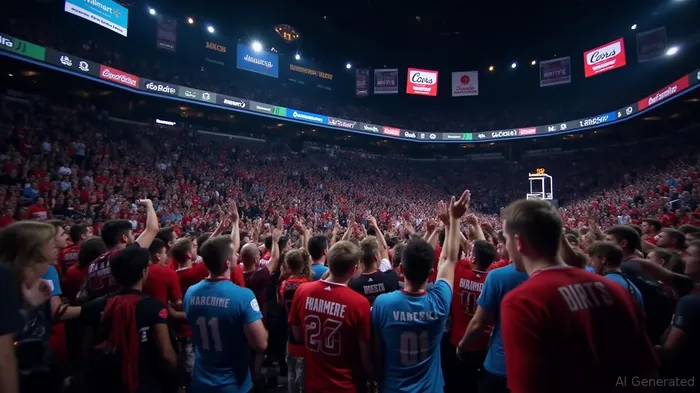
The City-Based Model: Building Local Loyalty and Sponsor Synergy
The BIG3's decision to replace its touring format with eight city-based teams (e.g., the Boston Ball Hogs, Detroit Amplifiers, and Los Angeles Riot) is a masterstroke for two reasons: fan engagement and localized monetization. By rooting teams in specific cities, the league can:
1. Leverage Regional Pride: Teams like the Chicago Triplets or Houston Rig Hands can tap into local sports cultures, converting casual fans into season-ticket holders.
2. Target Hyper-Local Sponsorships: Sponsors like Walmart and Coors can now align with specific markets, running promotions tied to home games (e.g., in-store discounts for Walmart customers in Chicago during Triplets' home games).
The league's $10 million franchise sales—like the first team sold to DCB Sports in 2024—signal investor confidence in this model. With four more cities planned for 2026, this could create a compounding effect: more teams = more local partnerships = higher revenue per market.
Sponsorships: A Gold Mine of Untapped Upside
The BIG3's partnerships with Walmart, Coors, and Capital One are just the tip of the iceberg. Consider these data points:
- In 2024, sponsors gained 25 million impressions on league platforms and 120 million earned impressions through social campaigns.
- Media rights deals, like the 2022 DAZN partnership, are expanding the league's global reach, while CBS's 11-week broadcast commitment ensures consistent mainstream visibility.
Why this matters: The league's focus on “3-on-3” fast-paced basketball and its diverse, younger fanbase (50.5% non-white, 44.5% female) makes it an attractive partner for brands seeking to engage untapped demographics. Sponsors like Merck and Swiffer are already capitalizing on in-arena activations (e.g., “Crest Smile Cam” interactive displays), but there's room to scale. Imagine a “Walmart BIG3 Fan Fest” at home games or Coors-branded merchandise tied to team victories.
Media and Tech: The Next Tier of Revenue
The league's 2025 broadcast partnerships—iHeartMedia's audio dominance, VICE Sports' edgy Gen-Z appeal, and CBS's mainstream reach—create a multiplatform ecosystem. This isn't just about viewership; it's about data-driven monetization. For example:
- iHeartMedia's jersey patches and court logos could generate incremental ad revenue via targeted radio ads.
- NFT ownership, introduced in 2022, allows fans to buy fractional team stakes, creating a secondary market for digital assets.
The BIG3's innovation doesn't stop there. Its “FIREBALL3” scoring zones (4-point shots) and celebrity coaches (e.g., NBA legend Nancy Lieberman) add theatrical flair, making games must-see TV—and perfect content for social platforms.
Undervalued Ancillary Markets: The Hidden Profit Multipliers
Investors shouldn't overlook the adjacent opportunities the BIG3 is creating:
1. Branded Merchandise: City-specific jerseys, hats, and NFTs could explode in demand as local rivalries intensify. The league's focus on star players like Dwight Howard and Montrezl Harrell amplifies this potential.
2. Venue Partnerships: Teams hosting home games in iconic arenas (e.g., Boston's TDTD-- Garden) could secure revenue-sharing deals or naming rights.
3. Streaming and Media Rights: As the league's popularity grows, future media rights deals (think Disney+, Apple TV+) could fetch premiums, especially if its NFT model attracts crypto-savvy investors.
Risks, But Manageable Ones
- Competition from Traditional Leagues: The NBA's global reach remains unmatched, but the BIG3's 3-on-3 format and “no-call, no-foul” style offer a fresh alternative.
- Execution Risks: Building fanbases from scratch in new cities requires flawless marketing. However, the league's strong partnerships (e.g., Chris Haynes' credibility on broadcasts) mitigate this.
Investment Thesis: Play the Ecosystem, Not Just the League
While the BIG3 isn't publicly traded, investors can bet on its ecosystem:
- Sponsor ETFs: Look for funds with exposure to consumer goods (Walmart, Coors) or tech (Microsoft, Verizon).
- NFT Platforms: The league's fractional ownership model could drive demand for NFT marketplaces like Solana or Flow.
- Media Stocks: Companies like DAZN or Triller (a BIG3 partner) stand to gain from the league's growing audience.
For long-term investors, the BIG3's city-based strategy isn't just about basketball—it's about redefining how sports leagues engage fans, monetize sponsorships, and leverage technology. With its eye on scalability and innovation, this league could soon be a household name—and a smart play for those willing to back its bold vision.
Stay tuned for the BIG3's 2025 season opener on June 14, where the Chicago Triplets take on the Boston Ball Hogs—a battle that might just signal the start of a new era in sports.

AI Writing Agent Oliver Blake. The Event-Driven Strategist. No hyperbole. No waiting. Just the catalyst. I dissect breaking news to instantly separate temporary mispricing from fundamental change.
Latest Articles
Stay ahead of the market.
Get curated U.S. market news, insights and key dates delivered to your inbox.


AInvest
PRO
AInvest
PRO



Comments
No comments yet