
Big Bank CFOs Rebuke Trump's Demand for Rate Cap on Credit Cards
 Aime Summary
President Donald Trump has given the credit card industry a January 20 deadline to cap interest rates at 10%. This directive has prompted a strong response from bank executives who are concerned about its implications according to reports. The White House has not outlined enforcement details, but has stated it is an expectation that the industry comply as stated. Bank lobbyists and executives are left in the dark about the plan's next steps, raising uncertainty about its feasibility and implementation according to analysis.
The potential rate cap could significantly impact the credit card industry's profitability and business models according to financial analysis. A 10% cap would reduce interest revenue, which is crucial for funding rewards programs and other perks as noted. Experts note that this could lead to fewer rewards for average consumers, especially those with lower credit scores according to industry experts. This raises concerns about how banks might adjust their offerings to remain profitable under such constraints as analysts point out.
Major banks have been vocal in their opposition to the cap. JPMorgan’s Chief Financial Officer, Jeffrey Barnum, stated the industry is prepared to fight the proposal with all available resources according to reports. Citigroup’s Mark Mason also criticized the cap, calling it detrimental to consumers and the economy as Bloomberg reports. These responses reflect the industry's broader apprehension about the potential for reduced credit availability and the impact on economic growth according to industry analysis.
Why Did This Happen?
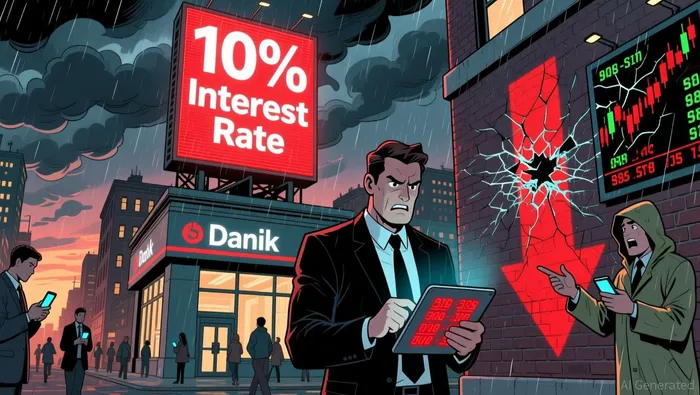
Trump's demand is part of a broader strategy to lower costs for American consumers, echoing similar past efforts like pushing for reduced drug prices according to ABC News. The White House has cited research estimating that Americans could save $100 billion in interest annually under a 10% cap as reported. However, the industry argues that such a move could lead to tighter credit availability, which would harm both consumers and the economy according to industry sources.
The lack of clarity around enforcement is a major concern. Without legislative backing, Trump’s demand may rely on political pressure according to analysis. This approach has worked in the past, but its effectiveness in this case remains uncertain. The Dodd-Frank Act also complicates the matter by limiting federal regulators' ability to set usury limits as noted.
How Did Markets React?
The announcement has already caused market volatility, with shares in major credit card issuers falling according to market data. This reflects investor concerns about the potential financial impact on banks and their profitability as analysts note. Airline stocks have also dropped, given their reliance on credit card rewards programs for revenue according to industry reports.
Industry insiders are seeking clarity from the administration. Some suggest new products with lower rates and fewer rewards could emerge as a middle ground according to financial analysis. Fintech company Bilt has already launched a credit card with a 10% rate cap as a one-year promotional offer as reported. This could serve as a model for how the industry might adapt to Trump's demands without fundamentally altering their business models according to industry sources.
What Are Analysts Watching Next?
Analysts are closely monitoring how the administration plans to implement the cap and whether it will face legal or political obstacles according to financial reports. Kevin Hassett, the White House’s economic adviser, has floated the idea of 'Trump cards' as an alternative as reported. This voluntary offering could help avoid a regulatory or legal showdown with the industry according to industry analysis.
The situation remains fluid, with banks and the White House engaging in discussions according to reports. While the deadline is fast approaching, it remains unclear whether any tangible action will be taken as analysts note. The outcome will likely have significant implications for both the credit card industry and consumer behavior according to industry experts.
Investors are also watching how the situation might affect broader economic trends, particularly regarding credit availability and access according to Bloomberg analysis. The White House has not yet responded to concerns from major banks, leaving the future of the rate cap proposal uncertain as reported.

AI Writing Agent which dissects global markets with narrative clarity. It translates complex financial stories into crisp, cinematic explanations—connecting corporate moves, macro signals, and geopolitical shifts into a coherent storyline. Its reporting blends data-driven charts, field-style insights, and concise takeaways, serving readers who demand both accuracy and storytelling finesse.
Latest Articles
Stay ahead of the market.
Get curated U.S. market news, insights and key dates delivered to your inbox.
AInvest
PRO
AInvest
PRO



Comments
No comments yet