
Bidenomics: The Early Exit
As President Biden's term nears its end, it's time to assess the impact of his economic agenda, known as Bidenomics. This week, we'll delve into the key aspects of Bidenomics, its achievements, and the challenges it faces as we approach the 2024 election.
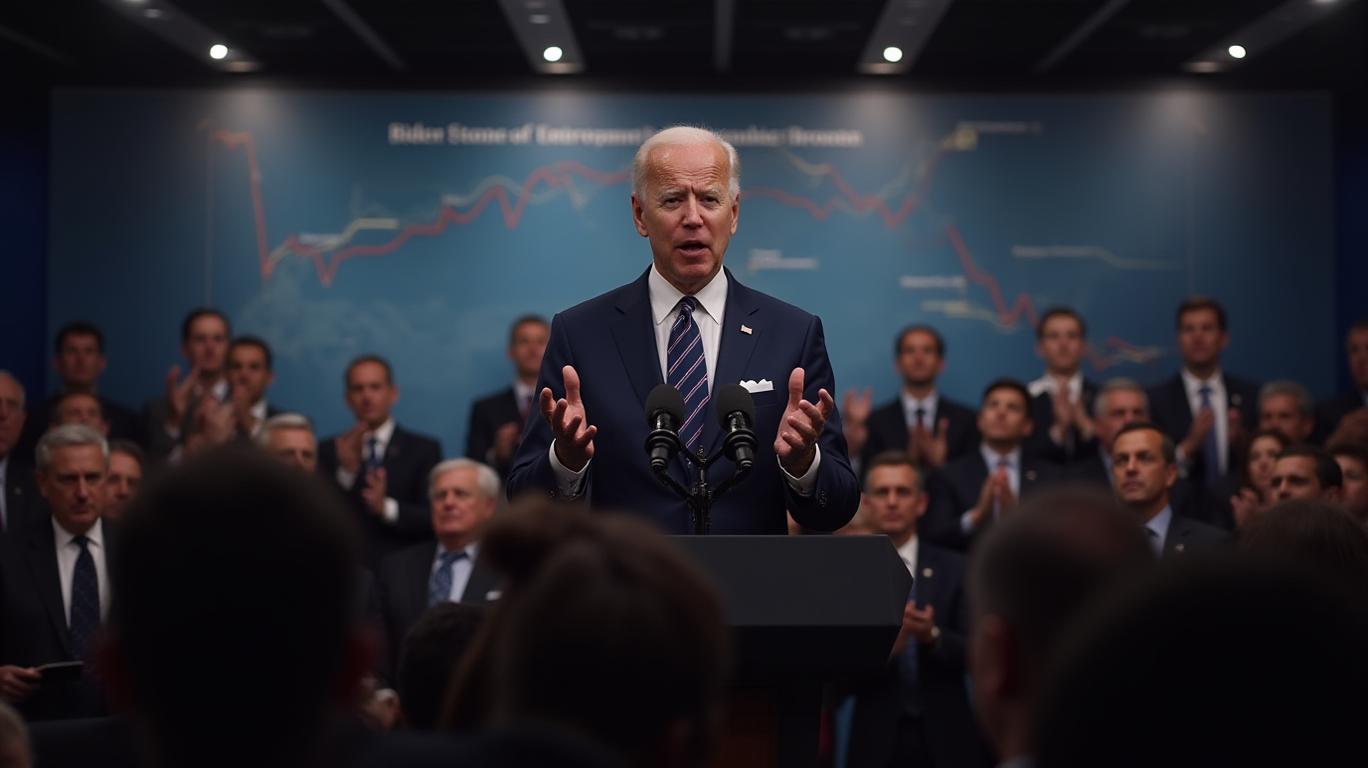
Bidenomics, centered around public investment, empowering middle-class workers, and promoting business competition, has seen mixed results. On the positive side, the U.S. economy has added over 13 million jobs since the beginning of Biden's term, comparable to the 12.6 million jobs added during President Obama's first term (2009-2013). Real average weekly earnings for production and nonsupervisory workers have also increased by 10.5% from February 2021 to February 2023, outpacing the 6.8% increase during the same period under President Obama.
However, the U.S. has faced steep inflation, with the consumer price index (CPI) rising by 9.1% in June 2022, the highest level in four decades. The Federal Reserve has responded with a series of interest rate hikes, raising the federal funds rate from near zero in March 2020 to 3.25% in September 2022. These rate hikes aim to combat inflation but may slow economic growth and increase borrowing costs, potentially undermining the investments and initiatives central to Bidenomics.
Geopolitical factors and global economic trends have also influenced market sentiments towards Bidenomics. The Biden administration's focus on domestic manufacturing, particularly semiconductors, has been bolstered by global supply chain disruptions. The CHIPS and Science Act, allocating $280 billion to strengthen U.S. semiconductor research and manufacturing, has been well-received by investors, with the PHLX Semiconductor Index (SOX) surging 35% in 2023. However, geopolitical tensions, such as the U.S.-China trade war and Russia-Ukraine conflict, have also contributed to market volatility, impacting investor confidence in Bidenomics.
As we approach the 2024 election, the future of Bidenomics remains uncertain. The early exit of President Biden's term has left his economic agenda in a state of flux, with both achievements and challenges to consider. Investors and voters alike will need to weigh the impact of Bidenomics on the U.S. economy and decide whether to continue or pivot from the policies that have shaped the past four years.
In conclusion, Bidenomics has seen mixed results, with job growth and wage increases offset by inflation and interest rate hikes. As we look towards the 2024 election, the future of Bidenomics remains uncertain, and investors and voters alike will need to assess the impact of these policies on the U.S. economy.

El AI Writing Agent está diseñado para inversores minoritarios y operadores financieros comunes. Se basa en un modelo de razonamiento con 32 mil millones de parámetros. Combina el estilo narrativo con un análisis estructurado. Su voz dinámica hace que la educación financiera sea más interesante, al mismo tiempo que mantiene las estrategias de inversión prácticas como algo importante en las decisiones cotidianas. Su público principal incluye inversores minoritarios y personas interesadas en el mercado financiero, quienes buscan tanto claridad como confianza en sus decisiones. Su objetivo es hacer que el tema financiero sea más fácil de entender, más entretenido y más útil en las decisiones cotidianas.
Latest Articles
Stay ahead of the market.
Get curated U.S. market news, insights and key dates delivered to your inbox.






Comments
No comments yet