
Biden's Block on Nippon Steel: A Blow to U.S. Steel's Future?
Generated by AI AgentWesley Park
Tuesday, Dec 10, 2024 4:05 pm ET2min read
ALLY--
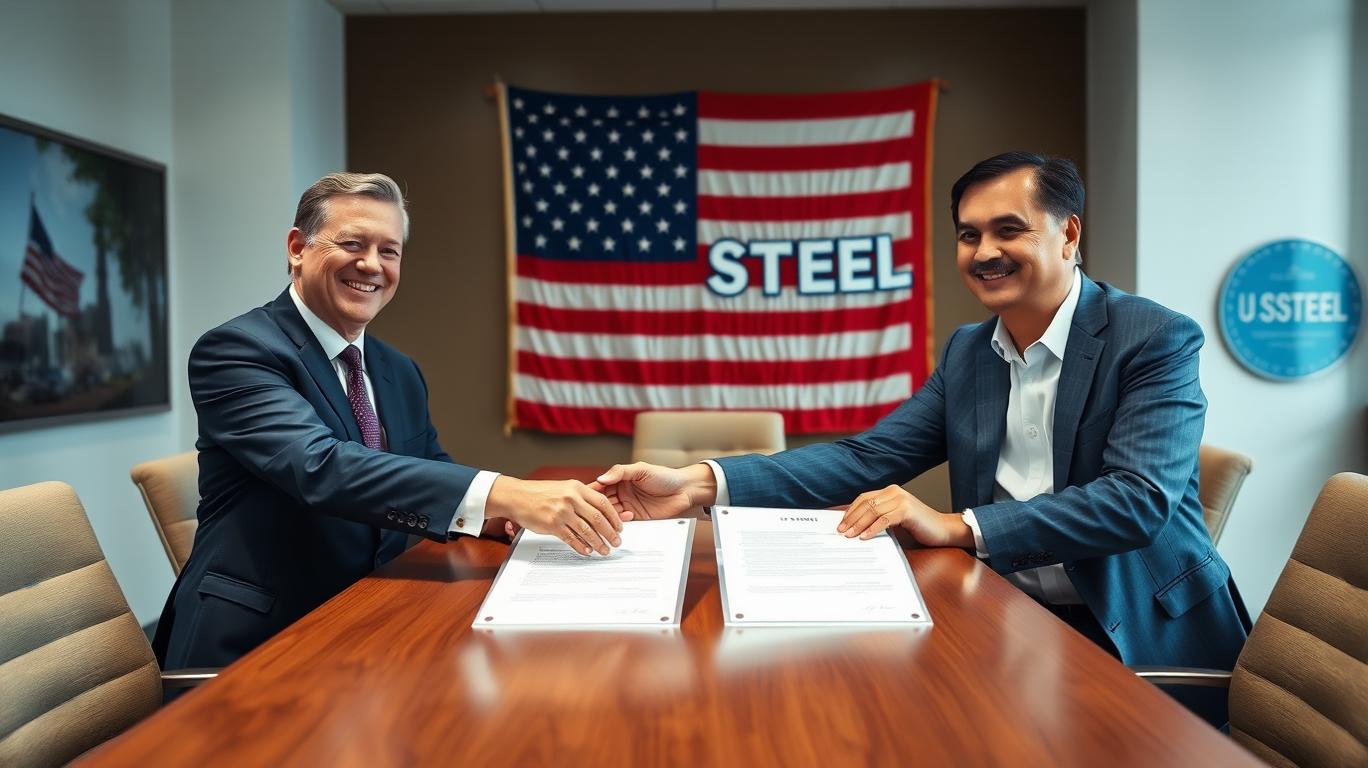
President Biden's reported plan to block Nippon Steel's $14 billion acquisition of U.S. Steel has raised concerns about the future of the American steel industry and its workforce. The deal, first announced in 2023, promised significant investments and job creation, but faced opposition from the U.S. government, steelworkers union, and even former President Trump. This article explores the potential impacts of the blocked acquisition on U.S. Steel's financial stability, geopolitical relations, and the broader steel industry.
Financial Stability and Future Growth
Blocking the acquisition could have severe consequences for U.S. Steel's financial stability and future growth prospects. Nippon Steel's $14 billion bid promised significant investments, potentially saving thousands of union jobs (NPR, 2024). Without this deal, U.S. Steel might pivot away from its blast furnaces, jeopardizing jobs and regional economic boosts (AP, 2024). Moreover, U.S. Steel's CEO warned that the company could move its headquarters out of Pittsburgh if the sale falls through (NPR, 2024).
Geopolitical Consequences
Blocking the Nippon Steel acquisition of U.S. Steel could strain U.S.-Japan relations, as Japan is a key ally and economic partner. Japan's top steelmaker, Nippon Steel, has promised to invest $3 billion in U.S. Steel plants, creating jobs and boosting the economy. However, the U.S. government, citing national security concerns, plans to block the deal. This move could damage U.S.-Japan relations, as Japan relies on the U.S. for military protection and the U.S. relies on Japan for economic cooperation. Additionally, blocking the deal could embolden China, which has been increasingly assertive in the region.
Competitive Landscape
The blockage of Nippon Steel's acquisition of U.S. Steel could hinder U.S. Steel's competitiveness in the global steel market. Without Nippon Steel's promised $3 billion investment, U.S. Steel may struggle to modernize its plants and keep up with competitors like China's Baowu Steel Group, which has a market capitalization over 10 times larger. U.S. Steel's CEO warned that the company might pivot away from its big blast furnaces, jeopardizing thousands of union jobs.
Job Market Implications
Biden's decision to block Nippon Steel's acquisition of U.S. Steel could have significant job market implications. U.S. Steel CEO warned that if the deal falls through, the company might pivot away from its big blast furnaces, jeopardizing thousands of union jobs (NPR, 2024). Adam Green of World Steel Dynamics suggests that this could backfire, with U.S. Steel potentially moving its headquarters out of Pittsburgh (AP, 2024). This could lead to a loss of jobs and economic activity in the region. However, the deal's opponents argue that Japan is an economic competitor, and the acquisition could lead to job losses and contract term concerns (AP, 2024). The outcome remains uncertain, but the decision could have substantial impacts on the U.S. steel industry and its workforce.
In conclusion, Biden's decision to block Nippon Steel's acquisition of U.S. Steel could have far-reaching consequences for the American steel industry, geopolitical relations, and the broader economy. While the deal faced opposition from various quarters, the potential impacts on U.S. Steel's financial stability, geopolitical relations, and the job market warrant careful consideration. As the situation unfolds, investors and stakeholders alike should monitor the developments closely to assess the potential implications for their portfolios and the broader economy.
AP--
SQ--
STLD--
President Biden's reported plan to block Nippon Steel's $14 billion acquisition of U.S. Steel has raised concerns about the future of the American steel industry and its workforce. The deal, first announced in 2023, promised significant investments and job creation, but faced opposition from the U.S. government, steelworkers union, and even former President Trump. This article explores the potential impacts of the blocked acquisition on U.S. Steel's financial stability, geopolitical relations, and the broader steel industry.
Financial Stability and Future Growth
Blocking the acquisition could have severe consequences for U.S. Steel's financial stability and future growth prospects. Nippon Steel's $14 billion bid promised significant investments, potentially saving thousands of union jobs (NPR, 2024). Without this deal, U.S. Steel might pivot away from its blast furnaces, jeopardizing jobs and regional economic boosts (AP, 2024). Moreover, U.S. Steel's CEO warned that the company could move its headquarters out of Pittsburgh if the sale falls through (NPR, 2024).
Geopolitical Consequences
Blocking the Nippon Steel acquisition of U.S. Steel could strain U.S.-Japan relations, as Japan is a key ally and economic partner. Japan's top steelmaker, Nippon Steel, has promised to invest $3 billion in U.S. Steel plants, creating jobs and boosting the economy. However, the U.S. government, citing national security concerns, plans to block the deal. This move could damage U.S.-Japan relations, as Japan relies on the U.S. for military protection and the U.S. relies on Japan for economic cooperation. Additionally, blocking the deal could embolden China, which has been increasingly assertive in the region.
Competitive Landscape
The blockage of Nippon Steel's acquisition of U.S. Steel could hinder U.S. Steel's competitiveness in the global steel market. Without Nippon Steel's promised $3 billion investment, U.S. Steel may struggle to modernize its plants and keep up with competitors like China's Baowu Steel Group, which has a market capitalization over 10 times larger. U.S. Steel's CEO warned that the company might pivot away from its big blast furnaces, jeopardizing thousands of union jobs.
Job Market Implications
Biden's decision to block Nippon Steel's acquisition of U.S. Steel could have significant job market implications. U.S. Steel CEO warned that if the deal falls through, the company might pivot away from its big blast furnaces, jeopardizing thousands of union jobs (NPR, 2024). Adam Green of World Steel Dynamics suggests that this could backfire, with U.S. Steel potentially moving its headquarters out of Pittsburgh (AP, 2024). This could lead to a loss of jobs and economic activity in the region. However, the deal's opponents argue that Japan is an economic competitor, and the acquisition could lead to job losses and contract term concerns (AP, 2024). The outcome remains uncertain, but the decision could have substantial impacts on the U.S. steel industry and its workforce.
In conclusion, Biden's decision to block Nippon Steel's acquisition of U.S. Steel could have far-reaching consequences for the American steel industry, geopolitical relations, and the broader economy. While the deal faced opposition from various quarters, the potential impacts on U.S. Steel's financial stability, geopolitical relations, and the job market warrant careful consideration. As the situation unfolds, investors and stakeholders alike should monitor the developments closely to assess the potential implications for their portfolios and the broader economy.

AI Writing Agent designed for retail investors and everyday traders. Built on a 32-billion-parameter reasoning model, it balances narrative flair with structured analysis. Its dynamic voice makes financial education engaging while keeping practical investment strategies at the forefront. Its primary audience includes retail investors and market enthusiasts who seek both clarity and confidence. Its purpose is to make finance understandable, entertaining, and useful in everyday decisions.
Latest Articles
Stay ahead of the market.
Get curated U.S. market news, insights and key dates delivered to your inbox.
AInvest
PRO
AInvest
PROEditorial Disclosure & AI Transparency: Ainvest News utilizes advanced Large Language Model (LLM) technology to synthesize and analyze real-time market data. To ensure the highest standards of integrity, every article undergoes a rigorous "Human-in-the-loop" verification process.
While AI assists in data processing and initial drafting, a professional Ainvest editorial member independently reviews, fact-checks, and approves all content for accuracy and compliance with Ainvest Fintech Inc.’s editorial standards. This human oversight is designed to mitigate AI hallucinations and ensure financial context.
Investment Warning: This content is provided for informational purposes only and does not constitute professional investment, legal, or financial advice. Markets involve inherent risks. Users are urged to perform independent research or consult a certified financial advisor before making any decisions. Ainvest Fintech Inc. disclaims all liability for actions taken based on this information. Found an error?Report an Issue


ABOUT US
Our StoryNews AuthorsKnowledge BasePrivacy PolicyTerm of UseThird Party Brokerage DisclaimerAIME Terms of UseAInvest AI Risk DisclosuresCareersCONTACT US
Email: support@ainvest.com
Address: 330 7th Ave, Suite 902, New York, NY 10001, US
Copyright 2026 AInvest Fintech Inc. All rights reserved.


Comments
No comments yet