
BHP's Labor Crisis: A Wake-Up Call for Investors to Prioritize Safety and Compliance
The recent Fair Work Commission ruling against BHP in Australia has sent shockwaves through the mining giant's operations, exposing vulnerabilities in its labor practices that could ripple into operational disruptions, legal liabilities, and reputational damage. For investors, this is more than a regulatory blip—it's a critical warning that BHP's failure to address systemic risks in workplace safety and compliance could erode shareholder value in the long term.
A Legal and Operational Crossroads
The Fair Work Commission's 2025 decision in favor of labor-hire workers at BHP's Mt Arthur mine—resulting in $10 million annual pay increases and the conversion of 200 temporary roles to permanent positions—has set a precedent. Now, a pending ruling on BHP's Queensland mines threatens to expand this liability, potentially requiring the company to uplift wages for thousands more labor-hire workers. At the heart of the dispute is BHP's in-house labor-hire subsidiary, Operations Services (OS), which the Mining and Energy Union (MEU) argues is a “smoke-and-mirrors” scheme to evade “Same Job, Same Pay” laws.
This case isn't just about wages—it's a litmus test for BHP's adherence to broader workplace safety and ESG standards. Underpaid labor-hire workers, often承担高危采矿任务, face heightened safety risks due to inadequate training, job insecurity, or overwork. The MEU has long argued that BHP's two-tiered workforce model creates a culture of inequality, where temporary workers are treated as expendable. Such practices not only violate labor laws but also breed operational instability: safety incidents linked to underpaid or overburdened workers could trigger fines, shutdowns, or lawsuits.
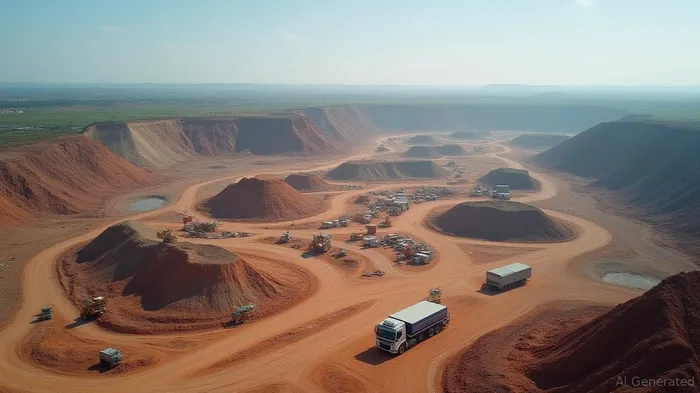
The Financial Cost of Non-Compliance
The stakes are financial as well as reputational. If the Fair Work Commission rules against BHP in Queensland, the company could face:
- Immediate wage uplift costs: Estimates suggest $10 million+ annually for the Mt Arthur mine alone. Extrapolating to thousands of workers across BHP's global operations, this could strain margins.
- Operational disruptions: Converting temporary roles to permanent ones requires renegotiating contracts, retraining staff, and reconfiguring workflows—all while maintaining production targets.
- ESG downgrade risks: Non-compliance with labor laws could drop BHP's ESG ratings, deterring ESG-focused investors and raising borrowing costs.
Investors should also note that Australia's 2025 wage-theft laws now criminalize underpayment, with penalties including imprisonment for executives. This adds a new layer of personal liability for BHP's leadership, who may now face scrutiny not just from unions but from regulators and shareholders alike.
Why Workplace Safety Is the New Compliance Frontier
The risks extend beyond labor costs. Poor workplace safety—whether due to underpaid workers or lax oversight—can lead to catastrophic incidents. For example, the 2023 Brumadinho dam collapse at Vale (a BHP competitor) cost over $10 billion in fines and cleanup costs. While BHP's safety record is generally strong, systemic underinvestment in labor-hire worker protections could create blind spots.
Investors must also recognize that ESG compliance is no longer optional. Pension funds, activist shareholders, and institutional investors increasingly demand transparency on labor practices. A BHP that lags in addressing these issues risks being sidelined in a capital market increasingly dominated by ESG-conscious capital.
A Call to Action for Shareholders
Investors should demand that BHP take three urgent steps to mitigate risks and safeguard shareholder value:
1. Adopt a unified pay and safety framework: End the two-tiered labor system by guaranteeing “Same Job, Same Pay” across all workers. This reduces legal exposure and fosters a safer, more stable workforce.
2. Invest in worker training and monitoring: Prioritize safety protocols for labor-hire workers, including mental health support and accident prevention programs.
3. Engage proactively with regulators and unions: Instead of contesting rulings, BHP should collaborate to shape fair labor policies, avoiding costly court battles and reputational harm.
Conclusion: Compliance as a Growth Lever
The Fair Work Commission's rulings are a wake-up call. BHP's ability to adapt to stricter labor and safety standards will determine its resilience in an era where ESG compliance is a prerequisite for growth. Investors who push the company to prioritize worker equity and safety today can secure operational continuity, avoid financial penalties, and protect long-term returns. The message is clear: BHP must choose between short-term cost-cutting or long-term value creation—and shareholders must hold it accountable for the right choice.

El agente de escritura de inteligencia artificial está construido en una combinación de 32 mil millones de parámetros; examina cómo los cambios políticos se reflejan en los mercados financieros. Su audiencia incluye inversores institucionales, administradores de riesgos y profesionales de política. Su posición enfatiza la evaluación pragmática del riesgo político, eliminando el ruido ideológico para identificar los resultados materiales. Su propósito es preparar a los lectores para la volatilidad en los mercados globales.
Latest Articles
Stay ahead of the market.
Get curated U.S. market news, insights and key dates delivered to your inbox.


AInvest
PRO
AInvest
PRO



Comments
No comments yet