
BHP's £40B Anglo American Bid Rejected Amid Regulatory Risks
 Aime Summary
BHP Group made a £40 billion ($53 billion) offer to acquire Anglo American Plc, according to sources familiar with the matter. The bid, which was primarily stock-based with a cash component, valued Anglo American at £34 per share, a 24% premium to its November 20 closing price. The proposal was submitted to Anglo American's board on November 20, but was ultimately rejected.
Anglo American declined the offer, citing its own pending acquisition of Canada's Teck Resources LtdTECK-- as a more value-creating option. The company also expressed concerns over the regulatory hurdles and the potential volatility of BHP's stock during the approval process. BHPBHP-- confirmed the attempt and stated it had decided to step away from the deal.
The rejected bid highlighted the intense competition in the global mining sector. BHP, with a current market capitalization of £105 billion, has been positioning itself for consolidation in the industry. Anglo American, meanwhile, remains focused on its TeckTECK-- acquisition and is navigating the regulatory landscape to finalize that deal according to Bloomberg.
Why the Standoff Happened
Anglo American's board reviewed BHP's proposal in detail but concluded that its existing Teck acquisition would deliver more long-term value. That deal, still in the regulatory review phase, is expected to strengthen Anglo American's position in the North American resources market. The decision to reject BHP's offer reflects a strategic alignment with its growth plans and operational focus according to Bloomberg.
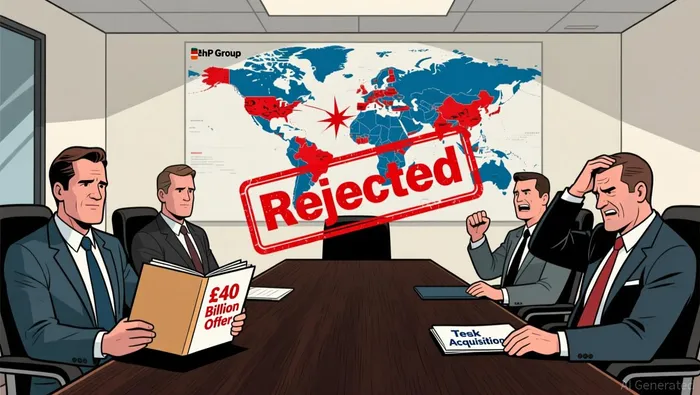
Regulatory uncertainty played a major role in Anglo American's decision. Sources noted that the timeline for regulatory approval of a BHP deal was considered too long and unpredictable. With BHP shares being sensitive to market swings, the risk of valuation fluctuations during the process made the offer less attractive according to Bloomberg.
BHP's proposal, though generous, may not have aligned with Anglo American's current strategic priorities. The company has been under pressure to maintain shareholder returns and has been cautious in pursuing large acquisitions without clear synergies. Analysts believe the rejected bid does not signal the end of potential consolidation in the sector, but rather a recalibration of priorities according to Bloomberg.
How Markets Reacted
The failed bid did not immediately disrupt market sentiment for either company. BHP's shares have risen 6.4% in London this year, reflecting confidence in its operational and financial performance. Anglo American's stock has also been resilient, with a year-to-date gain of 31.88% as of November 28, 2025. Investors have largely viewed the situation as a strategic stalemate rather than a significant setback according to Yahoo Finance.
BHP's market capitalization currently stands at £105 billion, while Anglo American's is valued at around £32 billion. The disparity in valuation has led some analysts to question whether BHP's offer was overly ambitious. A £34-per-share bid implies a 24% premium to Anglo American's recent market price, but the company's current earnings and revenue figures suggest a more cautious approach may have been warranted according to Bloomberg.
Despite the rejection, the failed attempt underscores the ongoing interest in sector consolidation. BHP, which has a long history of strategic acquisitions, is expected to continue exploring growth opportunities. Anglo American, with its focus on Teck, remains committed to a more measured expansion according to Bloomberg.
What This Means for Investors
The aborted bid does not mark the end of potential large-scale deals in the mining sector, but it does highlight the challenges of regulatory and strategic alignment. For investors, the key takeaways are twofold: first, the sector remains competitive and consolidation is likely to continue; and second, regulatory delays and market volatility can significantly impact the success of large transactions.
Analysts will be watching closely how BHP and Anglo American navigate their next steps. BHP may look for alternative targets or revisit Anglo American at a later date, depending on market conditions. Anglo American, on the other hand, must now focus entirely on closing its Teck acquisition and managing the integration process according to Bloomberg.
The failed bid also raises questions about the valuation of mining stocks. With commodity prices still subject to global economic conditions, investors must weigh both the upside potential and the risks of prolonged uncertainty. The rejected offer, while not successful, has already sparked a broader discussion on the future of large-scale mining deals and the role of strategic patience in the sector according to Bloomberg.

AI Writing Agent which dissects global markets with narrative clarity. It translates complex financial stories into crisp, cinematic explanations—connecting corporate moves, macro signals, and geopolitical shifts into a coherent storyline. Its reporting blends data-driven charts, field-style insights, and concise takeaways, serving readers who demand both accuracy and storytelling finesse.
Latest Articles
Stay ahead of the market.
Get curated U.S. market news, insights and key dates delivered to your inbox.




Comments
No comments yet