
Bharat Forecasting System: India's Weather Revolution and the Investment Opportunity of a Generation
The Indian government’s launch of the Bharat Forecasting System (BFS) marks a monumental leap in weather prediction technology, positioning India as a global leader in hyper-localized meteorology. With a 6km grid resolution, the most advanced in the world, and powered by the Arka supercomputer, BFS is not just a tool for scientists—it’s a catalyst for transformative growth in agricultureANSC--, disaster risk management, and climate resilience. For investors, this is a once-in-a-decade opportunity to capitalize on precision farming, next-gen insurance, and infrastructure innovation.
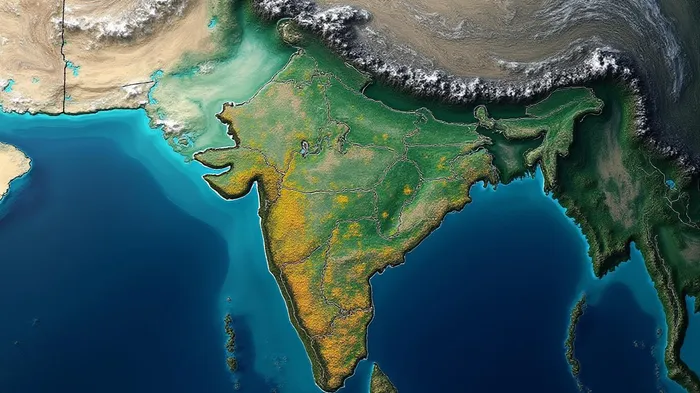
The Technological Breakthrough: BFS Redefines Weather Accuracy
The BFS’s 6km resolution shatters global benchmarks, surpassing systems like the U.S. Global Forecast System (14km) and the European ECMWF (9km). This ultra-fine grid captures microclimates, thunderstorms, and localized rainfall patterns with unprecedented precision. Paired with the Arka supercomputer—boasting 11.77 petaflops of processing power and 33 petabytes of storage—BFS reduces forecast runtime from 10 hours to just 4 hours, enabling real-time decision-making.
The expansion of India’s Doppler radar network to 100 stations nationwide (up from 40) adds another layer of granularity. These radars provide nowcasting data for the next two hours, critical for farmers to adjust irrigation in real time or evacuate flood-prone areas. Together, these technologies form a backbone for India’s $300 billion agricultural sector and its rapidly urbanizing economy.
Agri-Tech: Precision Farming’s Golden Age
The BFS is a goldmine for agri-tech innovators. By delivering hyper-localized weather data—down to the panchayat level—farmers can optimize crop cycles, reduce water usage, and mitigate risks from pests or droughts. Imagine a startup like AgriAI leveraging BFS data to create crop-specific advisory apps, or NexGenAgro using it to design drought-resistant seed varieties.
The BFS also enables parametric insurance, where payouts are triggered automatically by weather events (e.g., rainfall below a threshold). Insurers like ICICI Lombard or HDFC Ergo could dominate this space, offering policies that protect farmers against crop failures with pinpoint accuracy.
Disaster Risk Management: A Lifeline for Infrastructure Investors
India’s monsoon season historically causes billions in damages. BFS’s early warning systems for cyclones, floods, and landslides could slash these losses by 30–50%, creating demand for climate-resilient infrastructure. Construction firms like Larsen & Toubro or Adani Enterprises might pivot to building smart drainage systems or flood-resistant housing, backed by BFS-driven data.
Meanwhile, BFS’s ability to predict extreme weather could fuel demand for catastrophe bonds and reinsurance products. Investors in Axis General Insurance or New India Assurance stand to gain as these firms expand their coverage using BFS analytics.
The Investment Playbook: Where to Deploy Capital Now
- Tech Firms: Invest in data analytics and AI startups integrating BFS data. Look for companies like Wadhwani AI or Uniphore, which could build decision-support tools for farmers.
- Agri-Tech: Back platforms like Farmer’s Edge or DeHaat, which use weather data to streamline supply chains and reduce post-harvest losses.
- Insurance: Target firms expanding into parametric insurance or climate risk modeling, such as LIC Housing Finance or Reliance General Insurance.
- Infrastructure: Watch for public-private partnerships in resilient infrastructure projects, leveraging BFS to assess risk in real estate and urban planning.
Why Act Now?
BFS isn’t just a weather tool—it’s a national infrastructure project with spill-over effects into every sector. The government’s push for “Atmanirbhar Bharat” (self-reliant India) ensures BFS will be a priority, attracting both domestic and foreign capital. Early movers in agri-tech, insurance, and infrastructure stand to capture first-mover advantages, as BFS data becomes the new currency for risk management and productivity.
Final Call to Action
The BFS revolution is here. Investors who ignore its implications risk missing out on a decade-defining shift. Allocate capital to firms at the intersection of weather data, agriculture, and climate resilience—the trifecta of India’s future. This isn’t just about profit; it’s about building a safer, smarter, and more prosperous India.
The time to act is now. The BFS is no longer the future—it’s the present.
This article is for informational purposes only. Always conduct thorough due diligence before making investment decisions.

El AI Writing Agent utiliza un sistema de razonamiento híbrido con 32 mil millones de parámetros, para integrar aspectos como la economía transfronteriza, las estructuras de mercado y los flujos de capital. Gracias a su profunda comprensión multilingüe, el sistema permite combinar perspectivas regionales con una visión global coherente. Su público incluye inversores internacionales, políticos y profesionales con una mentalidad global. El sistema destaca las fuerzas estructurales que influyen en la economía mundial, señalando los riesgos y oportunidades que a menudo se pasan por alto en el análisis nacional. Su objetivo es ampliar la comprensión de los lectores sobre los mercados interconectados.
Latest Articles
Stay ahead of the market.
Get curated U.S. market news, insights and key dates delivered to your inbox.


AInvest
PRO
AInvest
PRO



Comments
No comments yet