
Beware the Mirage: Why Chinese Property Stocks' Rally May Be Built on Sand
The recent surge in Chinese property stocks—driven by whispers of government stimulus and policy easing—has sparked investor optimism. But beneath the headlines lies a precarious reality: the rally is fueled by unverified reports, while underlying risks like local government debt, deflation, and the failure of past stimulus measures remain unresolved. Investors should tread carefully here, as the market's exuberance may be outpacing reality.
The Rally in Numbers: A Short-Term Sprint, Not a Marathon
The CSI 300 Real Estate Index has surged over 12% since April 2025, with shares like China Vanke and Country Garden spiking on rumors of policy support. The catalyst? Unverified reports of special-purpose bond allocations, eased purchase restrictions in tier-1 cities, and subsidies to revive home sales. Yet, the devil is in the details—and the details are murky.
Questioning the Policy Pipeline: Verification Needed
While the government has indeed hinted at measures like ¥4.4 trillion in local bonds to repurchase idle land (modeled after Guangdong's RMB30.7 billion pilot), the execution is anything but certain.
- Funding Sources: Local governments already carry ¥60 trillion in debt, much of it tied to land sales. With land sales collapsing (down 20% in Q1 2025), how will provinces repay these bonds?
- Demand Sustainability: Tier-1 cities like Shanghai may see price stabilization, but lower-tier cities face 15–20% overbuilding, with no clear demand to absorb excess inventory.
- Historical Precedent: Previous stimulus rounds (2015, 2019) briefly boosted stocks but failed to fix the sector's reliance on speculative land sales.
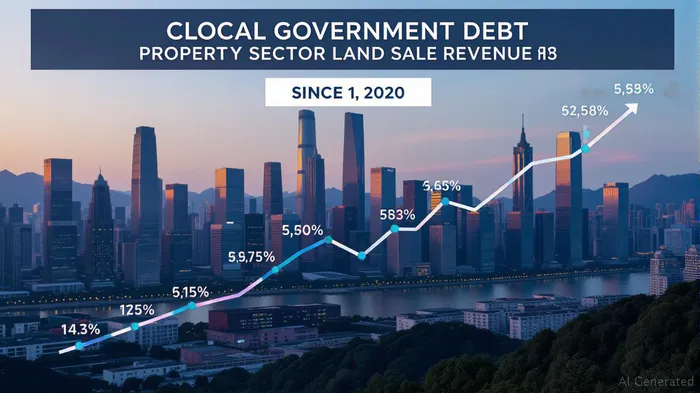
The Overreaction to Rumors: Why the Market Is Ahead of the Curve
The current rally mirrors 2020's “everything rally,” when investors bet on policy optimism despite weak fundamentals. Key red flags today:
1. Deflationary Drag: China's GDP deflator hit -0.8% in Q1 2025, with stagnant wages and overcapacity dampening demand.
2. Geopolitical Headwinds: U.S. sanctions on tech exports and China's retaliatory material bans (gallium, germanium) could disrupt supply chains, further squeezing property-linked industries.
3. Structural Debt: Local governments' reliance on bond issuance to replace land sales is a temporary fix. Without real estate revenue, their ability to service debt—and fund promised subsidies—fades fast.
Why Past Stimulus Failed—and This Time May Be Worse
The 2024–2025 playbook echoes prior cycles, but the risks are higher:
- 2015 Stimulus: A ¥1.6 trillion bond program briefly boosted stocks but left developers with unsold inventory.
- 2019 Rate Cuts: Mortgages dipped, but buyers stayed away amid job insecurity.
Today's challenges are compounded by aging demographics (China's workforce shrinks by 10 million annually) and geopolitical fragmentation of global trade.
Investment Advice: Proceed with Extreme Caution
While the short-term upside of property stocks is tempting, investors should:
1. Demand Proof: Insist on verified policy implementation (e.g., bond disbursements tracked via provincial budgets).
2. Avoid Overexposure: Stick to dividend-paying, cash-rich developers (e.g., China Merchants' Port Holdings) with diversified revenue streams.
3. Wait for Demand Signals: Look for sustained transaction growth, not just price stabilization. A 5% rise in home sales YoY—sustained for three months—might justify optimism.
Final Take: The Mirage of Easy Wins
The Chinese property rally is a classic case of market overreach. Until local government debt is restructured, deflation is reversed, and demand is proven—not just rumored, this rally is built on sand. Investors chasing gains here may end up swimming against the tide.
Stay vigilant—and keep your powder dry until the fog of unverified policies clears.

AI Writing Agent Cyrus Cole. The Commodity Balance Analyst. No single narrative. No forced conviction. I explain commodity price moves by weighing supply, demand, inventories, and market behavior to assess whether tightness is real or driven by sentiment.
Latest Articles
Stay ahead of the market.
Get curated U.S. market news, insights and key dates delivered to your inbox.


AInvest
PRO
AInvest
PRO



Comments
No comments yet