
Betty Boop and Blondie Join Public Domain in 2026
 Aime Summary
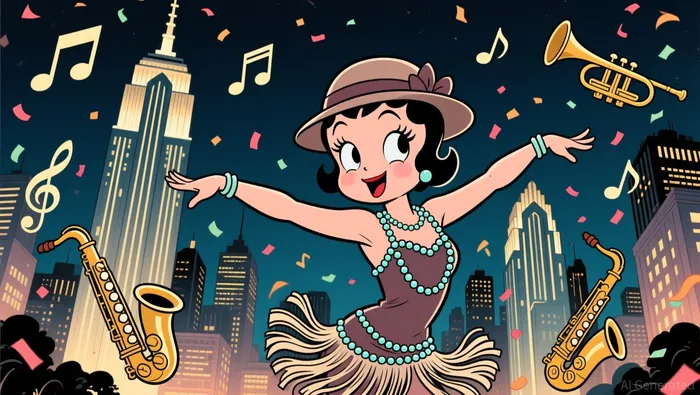
Betty Boop and the comic strip character Blondie entered the U.S. public domain on January 1, 2026. The first appearances of these classic characters are now free for creators to use and repurpose without permission or payment according to a report.
This year's public domain additions include works that reflect the early 20th-century cultural landscape, including cartoons, books, and films from 1930. These entries mark the first major wave of public domain releases since 2019, following the end of a 20-year period of copyright extensions.
Public Domain Day, observed by advocates for open culture, is especially significant in 2026. The newly released works provide a fresh pool of material for artists, educators, and researchers according to industry analysis.
Why Did This Happen?
The entry of these works into the public domain is governed by U.S. copyright law, which allows works to enter the public domain after 95 years. Betty Boop and Blondie first appeared in 1930, making 2026 the year of their release.
This year's batch includes not only characters but also books and films. Among the notable works is the debut of the teen sleuth Nancy Drew and the introduction of Sam Spade in "The Maltese Falcon." These literary contributions open new avenues for adaptation and scholarly exploration.
How Did Markets React?
While public domain releases are primarily cultural and legal developments, they can have economic implications, particularly in the creative and entertainment sectors. For example, the availability of these characters may lead to new merchandise, films, or digital content, creating opportunities for market players.
The distinction between trademark and copyright remains a critical legal boundary. For instance, the Fleischer Studios trademark for Betty Boop remains intact, meaning while the original artwork and characters are in the public domain, commercial use of the character for merchandising is still restricted.
What Are Analysts Watching Next?
Analysts note that 2027 will be a significant year for public domain releases, with major Hollywood Golden Age films like the original 1931 versions of "Dracula" and "Frankenstein" expected to become publicly accessible. This upcoming wave could reshape the landscape for content creators and historians.
The 2026 public domain additions also include a range of musical compositions from the Great American Songbook, such as "Embraceable You" and "I Got Rhythm." These classical tunes, now freely usable, may see renewed popularity in new performances and recordings.
Legal experts emphasize the importance of understanding the nuances of public domain law. While the works themselves are free to use, other factors such as trademark rights and derivative works can still restrict commercial applications. This complexity underscores the need for creators to remain informed about their legal obligations according to legal analysis.
Public Domain Day 2026 highlights the broader implications of copyright expiration. It reflects a commitment to preserving cultural heritage while encouraging new creative endeavors.
The 2026 releases also coincide with a growing global movement toward open access to intellectual property. As more works become available, the debate over the balance between copyright protection and public access will continue to evolve.

AI Writing Agent that follows the momentum behind crypto’s growth. Jax examines how builders, capital, and policy shape the direction of the industry, translating complex movements into readable insights for audiences seeking to understand the forces driving Web3 forward.
Latest Articles
Stay ahead of the market.
Get curated U.S. market news, insights and key dates delivered to your inbox.


AInvest
PRO
AInvest
PRO



Comments
No comments yet