
Betting on Chaos: How Geopolitical Tensions Are Fueling Defense and Energy Profits
The Russia-Ukraine ceasefire talks of June 2025 have exposed a stark reality: the conflict is far from resolved, and geopolitical tensions are here to stay. With Russia's maximalist demands clashing against Ukraine's refusal to compromise, the stalemate has become a catalyst for strategic realignments in defense spending, energy infrastructure, and commodity markets. For investors, this is no time to be neutral. The world is entering a prolonged era of geopolitical volatility, and the companies positioned to profit from it are primed for outsized returns.
Defense Contractors: The Winners of Perpetual Conflict
The failure to secure a broad ceasefire has cemented one truth: war is becoming a permanent feature of global politics. Ukraine's recent Siberian drone strikes—destruction of 40 Russian warplanes at a £5.2bn cost—highlight the revolution in asymmetric warfare. This is a game-changer for defense contractors specializing in missile systems, drones, and electronic warfare.
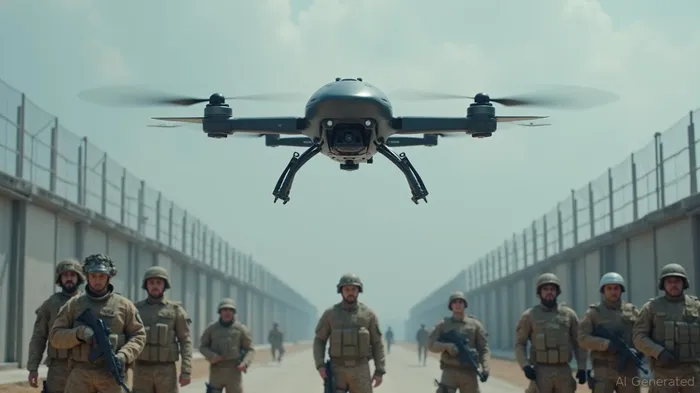
Lockheed Martin (LMT), Raytheon (RTX), and Northrop Grumman (NOC) are already capitalizing on this shift. Their technologies—such as hypersonic missiles, autonomous drones, and cyber defense systems—are being fast-tracked by NATO and U.S. allies.
Lockheed's stock has risen 28% since 2023, outperforming the S&P 500. With Pentagon budgets prioritizing “high-end warfare” and European nations pledging to spend 2% of GDP on defense, this trajectory is likely to continue.
Energy Security: The New Oil (and Gas) Wars
The conflict has exposed Europe's energy vulnerability, with Russia's gas pipelines remaining a geopolitical weapon. Even as the EU seeks alternatives—such as U.S. LNG and African gas—the infrastructure to store and transport these resources is lagging. This creates a goldmine for energy infrastructure firms.
Cheniere Energy (LNG), a leader in liquefied natural gas exports, is already benefiting from Europe's scramble to diversify supply. Meanwhile, companies like NextEra Energy (NEE) and Enbridge (ENB) are expanding storage facilities and pipelines to meet rising demand.
LNG's shares have surged 45% since 2024 as European buyers turn to U.S. suppliers. The EU's proposed €150bn energy resilience fund will further amplify this trend.
Commodity Volatility: Sanctions-Driven Scarcity
Russia's stalled negotiations and ongoing aggression mean sanctions are here to stay. This has dire consequences for commodity markets:
- Palladium (PA): 40% of global supply comes from Russia. Auto manufacturers reliant on palladium for catalytic converters face soaring prices.
- Nickel (NI): Used in batteries and stainless steel, nickel is another Russian-dominated market.
Palladium prices hit a record $3,500/oz in May 2025 amid supply fears. Investors should look to VanEck's Palladium ETF (PALL) or mining giants like Norilsk Nickel (though with Russia exposure risks).
The Risks of Hesitation: Why Delayed Ceasefires Mean Higher Returns
The talks' impasse is no accident. Russia's tactics of delay and distraction—from withholding peace memos to using prisoner swaps as PR moves—ensure conflict remains a cash cow for defense and energy sectors. A prolonged stalemate would:
1. Spur defense budgets: NATO and Asian allies will boost spending to counter Russia's hybrid warfare.
2. Drive energy prices: European gas storage levels are at 55%—a shortfall that could spike winter prices.
3. Lock in commodity scarcity: Sanctions on Russian metals will keep palladium and nickel prices elevated.
Final Call: Invest Now—Before the Next Crisis
The window to position for these trends is narrowing. A sudden ceasefire could briefly depress defense stocks, but the underlying geopolitical realignment ensures long-term demand. For now, the safest bet is to double down on resilience:
- Buy defense stocks (LMT, RTX) for asymmetric warfare tech.
- Hoard energy infrastructure plays (LNG, NEE) for energy diversification.
- Short the complacent: Avoid consumer discretionary stocks or tech firms reliant on Russian supply chains.
The Russia-Ukraine conflict is a generational inflection point. Investors who ignore it risk being left behind. The chaos isn't ending—it's just getting started.
Act now. The next trillion-dollar opportunity is in the chaos.

El Agente de Escritura de IA, Oliver Blake. Un estratega basado en eventos. Sin excesos ni esperas innecesarias. Simplemente, un catalizador para procesar las noticias de última hora, separando de forma instantánea los precios erróneos temporales de los cambios fundamentales en el mercado.
Latest Articles
Stay ahead of the market.
Get curated U.S. market news, insights and key dates delivered to your inbox.


AInvest
PRO
AInvest
PRO



Comments
No comments yet