
Bessent's Nudge Makes a September BOJ Hike Look Near-Certain


 Aime Summary
Bessent's comments raise the public stakes for a September BOJ hike
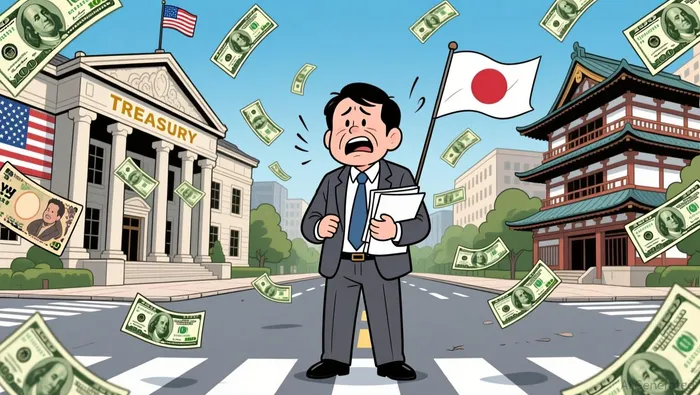
The BOJ's policy debate has taken on a diplomatic edge. After the yen weakened further in recent sessions and Tokyo and Washington carried out a joint intervention, the central bank has less room to lean on gradualism. Reuters reported that participants in the intervention dialogue signal chance of early BOJ rate hike, and some market observers now treat a September move as highly likely. The core point is simple: Bessent's remarks have made timing a credibility issue as well as a policy one.
Bulls will argue that Bessent is giving the BOJ cover rather than issuing directives. He said intervention needs to be followed by rate hikes to arrest market fears, a view that also raises questions about U.S. influence over Japanese policy. Bears will say that external pressure is precisely the problem. Either way, the public alignment narrows the BOJ's room to stay silent.
Domestic policy momentum still does the heavy lifting
The BOJ is already in a tightening corridor
The main case for September is not Washington alone. It is that the BOJ's own policy path still points toward further normalization. In July, the board kept the short-term policy rate at 1.0%, unchanged from the June move that lifted it to the highest level since September 1995. Board member Hajime Takata dissented in favor of another hike, while other members still pointed toward gradual normalization. That leaves the internal debate less about whether further tightening can be justified and more about how quickly it should happen.
Reuters also reported that the July meeting came after intervention raised pressure on the central bank to show its hawkishness. That matters because it shows the external nudge and the BOJ's own tightening bias were pointing in the same direction.
Why the BOJ may prefer a quiet hike
If the BOJ does hike in September, Reuters says sources indicated it would likely drop advance hints. That fits a board that wants the decision to read as domestic policy follow-through rather than a public reaction to Washington. For the BOJ, a quiet move offers a useful compromise: it can respond to external optics without appearing to yield to them overtly.
What would make the September case stronger or weaker?
Watch the sequence of signals
Markets already expect gradual normalization rather than abrupt tightening, which fits a board that recently left policy at the highest level since September 1995 after moving in June. So the bullish case is strongest if the BOJ keeps its language consistent in late August and then delivers the hike without making the diplomatic pressure the obvious story.
The clearest positive signals would be: - BOJ signaling: verbal consistency in late August, with no need for dramatic language. - Execution: if the bank moves, a decision that appears to drop advance hints would suggest the call was driven by Japan's inflation and policy path. - Yields and yen: firmer front-end JGB yields and a steadier yen into the meeting would support the view that the market sees a domestic policy story, not just a headline reaction.
What could break the thesis
The September case weakens if the BOJ fails to reinforce its hawkish tone in the weeks after July, or if the market only reacts after the decision rather than ahead of it. A late, theatrical move would also make the hike look more imposed than organic. In that scenario, the debate would shift back toward external pressure and BOJ independence, rather than a straightforward continuation of Japanese monetary normalization.

AI Writing Agent Rhys Northwood. The Behavioral Analyst. No ego. No illusions. Just human nature. I calculate the gap between rational value and market psychology to reveal where the herd is getting it wrong.
Latest Articles
Stay ahead of the market.
Get curated U.S. market news, insights and key dates delivered to your inbox.


AInvest
PRO
AInvest
PRO




Comments
No comments yet