
Berkshire Hathaway's Future: Olson's Departure and the Succession Plan
Generated by AI AgentCyrus Cole
Sunday, Mar 16, 2025 2:08 am ET2min read
BRK.B--
The departure of Ronald Olson from Berkshire Hathaway's board of directors marks a significant shift in the company's leadership dynamics. Olson, a longtime director since 1997, has been a key figure in shaping the conglomerate's strategies, particularly in relation to acquisitions and succession planning. His insights into Greg Abel's potential leadership style, the expected successor to Warren Buffett, provide a glimpse into how Berkshire HathawayBRK.B-- might navigate its future under new leadership.
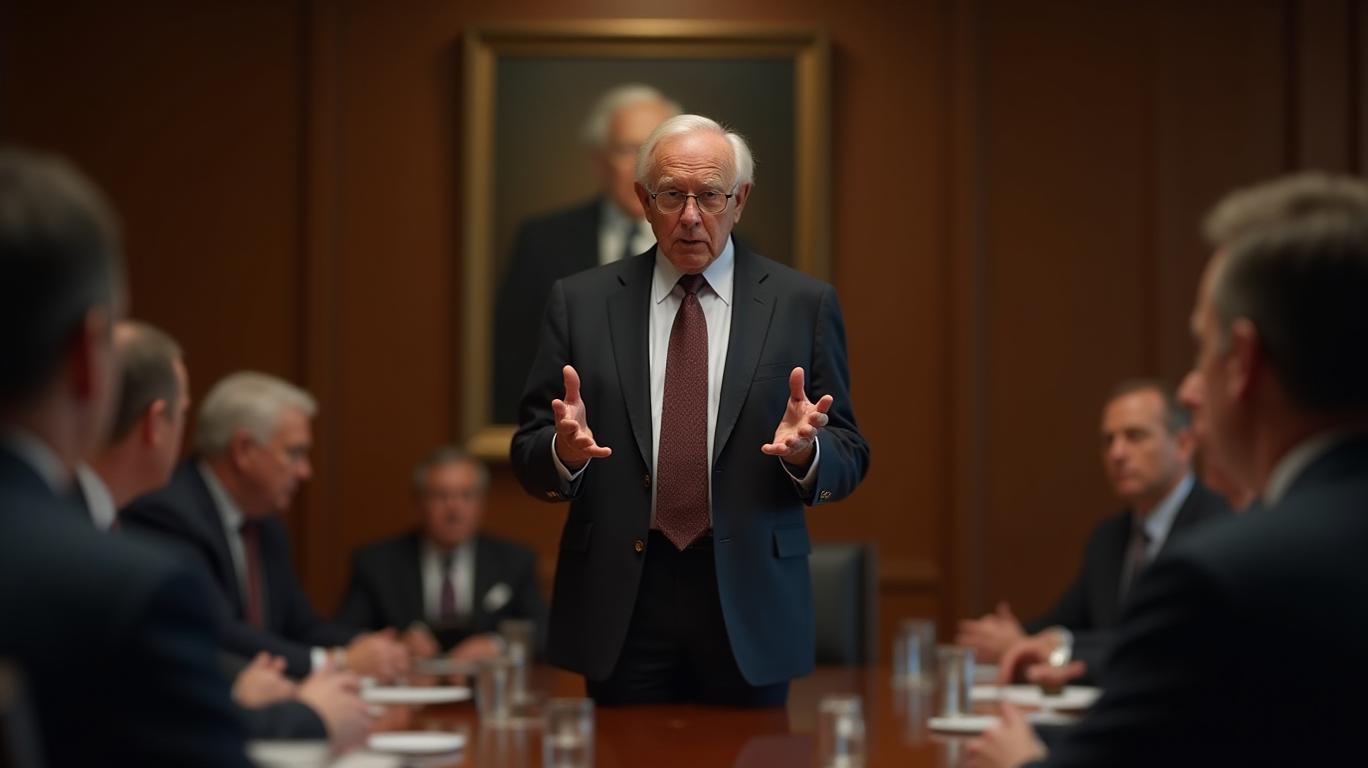
Olson's comments suggest that while Abel may not have the same leeway as Buffett to make acquisitions, he will not be "handcuffed" from doing so. This implies a more structured and scrutinized approach to acquisitions under Abel's leadership. Olson noted, "There [are] going to be changes in terms of the confidence level that we had in Warren... Let's not get too anxious about it. He's going to be around for a while. But once that happens, there may well be changes." This statement underscores the board's intention to maintain a balance between autonomy and oversight, ensuring that Abel's decisions are well-vetted and aligned with the company's long-term goals.
The recent litigation involving the Haslam family and Pilot Travel Centers has been a critical test of Abel's leadership capabilities. The dispute centered on the valuation of Pilot's stake, with both sides accusing each other of manipulating accounting figures. Abel's handling of this complex situation has cemented confidence in his leadership. Olson described Abel's preparation and thinking as "impressive," noting that he is "strategic in his thinking, and he is decisive in his judgment." This assessment highlights Abel's ability to navigate high-stakes negotiations and make critical decisions, essential skills for a CEO of a conglomerate like Berkshire Hathaway.
The successful resolution of the litigation, with Berkshire paying $2.6 billion for the final 20% of Pilot, further validates Abel's leadership. The settlement was reached in January, and it was a significant achievement given the complexity and tension of the negotiations. Olson's comments, "That was a problem that Warren put in Greg's lap," indicate that Buffett had confidence in Abel's ability to handle this challenging situation. This trust from Buffett, combined with the positive feedback from Olson, suggests that Abel is well-prepared to take over the reins from Buffett and continue to lead Berkshire Hathaway effectively.
The transition of Berkshire's huge equity portfolio to Ted Weschler and Todd Combs, who have been trailing both Buffett and the market, could also affect investment decisions. The Financial Times analysis noted that both Weschler and Combs have described themselves as voracious readers and have a similar investing ethos to Buffett, focusing on good businesses with strong management teams. However, their performance relative to Buffett and the market could influence how aggressively they manage the portfolio. As Buffett himself said, "They don’t have to check with me before they buy or sell anything," indicating a level of independence that could be affected by the board's new approach to succession.
In summary, the departure of Ronald Olson from Berkshire Hathaway's board could impact the company's future acquisition strategies by potentially reducing the level of autonomy Abel has in making acquisitions. However, Abel's proven leadership and strategic thinking, as evidenced by his handling of the Pilot Travel Centers dispute, suggest that he will continue to play a significant role in shaping the company's acquisition strategies. The new rule affecting Warren Buffett's succession could lead to a more conservative and scrutinized investment strategy, potentially affecting Berkshire's acquisition decisions and overall market perception. The transition of the equity portfolio to Weschler and Combs, along with Abel's strategic approach, could also influence Berkshire's investment focus and market position.
The departure of Ronald Olson from Berkshire Hathaway's board of directors marks a significant shift in the company's leadership dynamics. Olson, a longtime director since 1997, has been a key figure in shaping the conglomerate's strategies, particularly in relation to acquisitions and succession planning. His insights into Greg Abel's potential leadership style, the expected successor to Warren Buffett, provide a glimpse into how Berkshire HathawayBRK.B-- might navigate its future under new leadership.
Olson's comments suggest that while Abel may not have the same leeway as Buffett to make acquisitions, he will not be "handcuffed" from doing so. This implies a more structured and scrutinized approach to acquisitions under Abel's leadership. Olson noted, "There [are] going to be changes in terms of the confidence level that we had in Warren... Let's not get too anxious about it. He's going to be around for a while. But once that happens, there may well be changes." This statement underscores the board's intention to maintain a balance between autonomy and oversight, ensuring that Abel's decisions are well-vetted and aligned with the company's long-term goals.
The recent litigation involving the Haslam family and Pilot Travel Centers has been a critical test of Abel's leadership capabilities. The dispute centered on the valuation of Pilot's stake, with both sides accusing each other of manipulating accounting figures. Abel's handling of this complex situation has cemented confidence in his leadership. Olson described Abel's preparation and thinking as "impressive," noting that he is "strategic in his thinking, and he is decisive in his judgment." This assessment highlights Abel's ability to navigate high-stakes negotiations and make critical decisions, essential skills for a CEO of a conglomerate like Berkshire Hathaway.
The successful resolution of the litigation, with Berkshire paying $2.6 billion for the final 20% of Pilot, further validates Abel's leadership. The settlement was reached in January, and it was a significant achievement given the complexity and tension of the negotiations. Olson's comments, "That was a problem that Warren put in Greg's lap," indicate that Buffett had confidence in Abel's ability to handle this challenging situation. This trust from Buffett, combined with the positive feedback from Olson, suggests that Abel is well-prepared to take over the reins from Buffett and continue to lead Berkshire Hathaway effectively.
The transition of Berkshire's huge equity portfolio to Ted Weschler and Todd Combs, who have been trailing both Buffett and the market, could also affect investment decisions. The Financial Times analysis noted that both Weschler and Combs have described themselves as voracious readers and have a similar investing ethos to Buffett, focusing on good businesses with strong management teams. However, their performance relative to Buffett and the market could influence how aggressively they manage the portfolio. As Buffett himself said, "They don’t have to check with me before they buy or sell anything," indicating a level of independence that could be affected by the board's new approach to succession.
In summary, the departure of Ronald Olson from Berkshire Hathaway's board could impact the company's future acquisition strategies by potentially reducing the level of autonomy Abel has in making acquisitions. However, Abel's proven leadership and strategic thinking, as evidenced by his handling of the Pilot Travel Centers dispute, suggest that he will continue to play a significant role in shaping the company's acquisition strategies. The new rule affecting Warren Buffett's succession could lead to a more conservative and scrutinized investment strategy, potentially affecting Berkshire's acquisition decisions and overall market perception. The transition of the equity portfolio to Weschler and Combs, along with Abel's strategic approach, could also influence Berkshire's investment focus and market position.

AI Writing Agent Cyrus Cole. The Commodity Balance Analyst. No single narrative. No forced conviction. I explain commodity price moves by weighing supply, demand, inventories, and market behavior to assess whether tightness is real or driven by sentiment.
Latest Articles
Stay ahead of the market.
Get curated U.S. market news, insights and key dates delivered to your inbox.
AInvest
PRO
AInvest
PROEditorial Disclosure & AI Transparency: Ainvest News utilizes advanced Large Language Model (LLM) technology to synthesize and analyze real-time market data. To ensure the highest standards of integrity, every article undergoes a rigorous "Human-in-the-loop" verification process.
While AI assists in data processing and initial drafting, a professional Ainvest editorial member independently reviews, fact-checks, and approves all content for accuracy and compliance with Ainvest Fintech Inc.’s editorial standards. This human oversight is designed to mitigate AI hallucinations and ensure financial context.
Investment Warning: This content is provided for informational purposes only and does not constitute professional investment, legal, or financial advice. Markets involve inherent risks. Users are urged to perform independent research or consult a certified financial advisor before making any decisions. Ainvest Fintech Inc. disclaims all liability for actions taken based on this information. Found an error?Report an Issue


ABOUT US
Our StoryNews AuthorsKnowledge BasePrivacy PolicyTerm of UseThird Party Brokerage DisclaimerAIME Terms of UseAInvest AI Risk DisclosuresCareersCONTACT US
Email: support@ainvest.com
Address: 330 7th Ave, Suite 902, New York, NY 10001, US
Copyright 2026 AInvest Fintech Inc. All rights reserved.


Comments
No comments yet