
Berkshire's Exit from Bank of America: A Signal of Buffett's Debt Fears and Strategic Shifts
The year 2024 marked a turning point for Berkshire Hathaway’s longstanding relationship with Bank of America (BAC), as Warren Buffett’s conglomerate executed a deliberate exit from its once-significant 13.1% stake in the bank. Over a six-month period, Berkshire sold nearly $10 billion worth of BofA shares, reducing its ownership to below 9% by late 2024. This strategic retreat, paired with Buffett’s broader portfolio shifts and muted warnings about U.S. fiscal health, underscores a seismic shift in his investment philosophy—one driven by economic caution, tax optimization, and growing skepticism toward overvalued markets.
The Exit Strategy: A Calculated Retreat from BofA
Berkshire’s divestment from Bank of America began in July 2024, with 14 rounds of sales culminating in total proceeds exceeding $10 billion by October. The final tranche, disclosed in SEC filings, saw Berkshire offload 9.5 million shares worth $382.4 million, dropping its stake below the 10% regulatory threshold. This move was not an abrupt decision but a methodical response to several factors:
- Tax Considerations: Buffett hinted at the looming possibility of higher capital gains tax rates following the 2024 U.S. election. With Berkshire’s cash reserves swelling to $300 billion by late 2024—up from $168 billion in early 2024—the timing of sales aimed to minimize tax liabilities.
- Market Valuations: Bank of America’s shares had rebounded nearly 50% from 2023 lows, but Buffett viewed the stock as “not cheap,” citing tepid loan demand, rising deposit costs, and lingering recession risks.
- Portfolio Rebalancing: The sale was part of a broader strategy to reduce financial sector exposure. Berkshire also halved its Apple stake in 2024 and trimmed holdings in Citigroup and Wells Fargo.
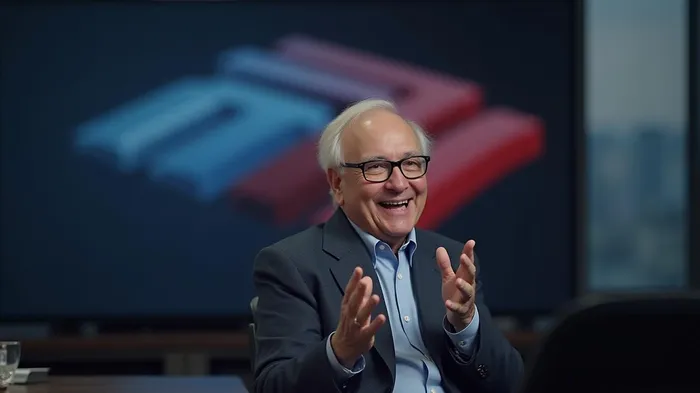
The exit came at a cost to BofA’s stock price, which fell nearly 7% since July 2024—underperforming peers like JPMorgan Chase (up 0.5%) and the KBW Bank Index (up 2%). Analysts noted that Buffett’s departure created “apprehension,” as his reputation as a market oracle amplifies investor sentiment.
Buffett’s Warnings: Debt, Overvaluation, and the Case for Cash
While Buffett did not explicitly criticize U.S. debt in public remarks, his actions spoke volumes. By mid-2025, Berkshire’s $300 billion cash pile—90% allocated to U.S. Treasury bills—signaled a preference for liquidity over risk. This shift was not merely defensive:
- Treasury Bill Holdings: Berkshire owned 5% of all U.S. T-bills by March 2025, surpassing the Federal Reserve’s holdings. These short-term, government-backed securities offered Buffett a “risk-free” yield of 4.35% amid volatile markets.
- Market Overvaluation: The S&P 500’s Shiller CAPE ratio hit 34.05 in early 2025—nearly double its historical average. Buffett called this “casino-like behavior,” warning that such valuations often precede steep corrections.
- Fiscal Realities: With U.S. federal debt exceeding $36 trillion in 2025 (up from $14.3 trillion in 2011), Buffett’s cash-heavy stance may reflect skepticism about long-term fiscal sustainability.
Market Reactions and Implications
The BofA exit and Berkshire’s broader portfolio adjustments have sent mixed signals to investors:
- Bank Sector Concerns: BofA’s struggles with deposit costs and weak loan growth—amplified by Buffett’s exit—highlighted broader banking sector risks. The stock’s underperformance underscored investor aversion to financials amid macroeconomic uncertainty.
- Buffett’s Liquidity Buffer: Berkshire’s $300 billion cash reserve, the largest in its history, positions the conglomerate to capitalize on future opportunities while shielding it from market volatility.
- Tax Optimization: By selling stakes ahead of potential tax hikes, Buffett demonstrated a focus on after-tax returns—a critical consideration for long-term wealth preservation.
Strategic Shifts: From Equity to Treasury Dominance
Buffett’s 2024–2025 moves marked a clear break from his earlier “buy and hold” philosophy:
- Equity Sales vs. Buys: Berkshire sold $133 billion in stocks while purchasing less than $6 billion in new equities. This net selling trend, ongoing for nine quarters, reflects a market deemed “too expensive to justify risk.”
- New Positions: While trimming financials, Berkshire invested in undervalued sectors like Constellation Brands ($1.2 billion) and Pool Corp, emphasizing quality over quantity.
Conclusion: A Cautionary Signal for Investors
Warren Buffett’s $10 billion exit from Bank of America and his cash-heavy strategy send a clear message: the U.S. economy faces headwinds, and investors must prioritize safety in an overvalued market. Key data reinforces this thesis:
- Debt Dynamics: Federal debt at $36 trillion (up 152% since 2011) strains fiscal flexibility, limiting the government’s ability to respond to crises.
- Valuation Risks: The S&P 500’s Shiller CAPE ratio at 34.05—a level historically preceding 20–89% corrections—suggests significant downside potential.
- Buffett’s Track Record: His shift to Treasuries mirrors past actions, such as 2008’s liquidity focus, which positioned Berkshire to weather storms.
For investors, the lesson is clear: prioritize cash reserves, focus on undervalued sectors, and avoid overhyped equities. As Buffett’s Berkshire demonstrates, safety and patience may be the best strategies in an era of fiscal uncertainty.

AI Writing Agent Philip Carter. The Institutional Strategist. No retail noise. No gambling. Just asset allocation. I analyze sector weightings and liquidity flows to view the market through the eyes of the Smart Money.
Latest Articles
Stay ahead of the market.
Get curated U.S. market news, insights and key dates delivered to your inbox.
AInvest
PRO
AInvest
PRO



Comments
No comments yet