
Berkshire-Backed BNSF Warns Rail Megamerger Risks Higher Prices
 Aime Summary
BNSF Railway Co., a railroad owned by Berkshire Hathaway, warned that the proposed $72 billion merger between Union Pacific Corp.UNP-- and Norfolk Southern Corp.NSC-- could lead to increased costs for customers. The merger, which would create the first continuous transcontinental railroad in the U.S., has drawn industry and political scrutiny. BNSF’s CEO, Katie Farmer, questioned the assumption that the merger would lead to double-digit growth in shipping volume.
The deal has attracted bipartisan concern from lawmakers, with 18 senators urging the Surface Transportation Board (STB) to evaluate its long-term effects on competition. The STB, which has five members but currently only three, is responsible for approving the merger. The board's reduced size has raised questions about the speed and thoroughness of the evaluation process.
Canadian National Railway (CNI) has also stepped in, filing a motion with the STB to compel additional information from the merger applicants. CNICNI-- argued that Union PacificUNP-- and Norfolk SouthernNSC-- have not provided a full assessment of the potential competitive harms. The Canadian company emphasized that critical data, such as market share projections and traffic volume estimates, are missing from the application.
Why Did This Happen?
BNSF’s concerns are rooted in the potential for the merged entity to reduce competition, which could lead to higher prices if volume growth does not meet expectations. Farmer cited Union Pacific's historical trend of increasing revenue per carload despite declining freight volumes as a cautionary example.
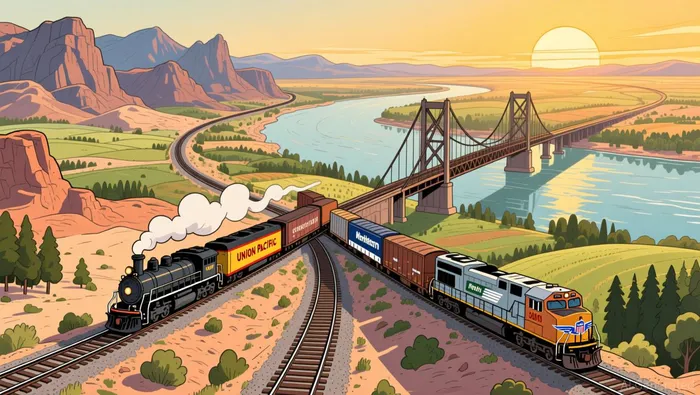
The merger would combine two major rail networks, connecting Union Pacific’s western U.S. routes with Norfolk Southern’s eastern routes. The combined company would have a transcontinental network spanning from the Pacific to the Atlantic coasts.
How Did Markets React?
The deal has not yet sparked major market reactions, but the regulatory hurdles remain significant. Lawmakers from both major U.S. political parties have raised concerns, signaling the potential for political pushback. The STB's approval is crucial, and the reduced number of board members has added uncertainty to the timeline.
Canadian National Railway’s motion to the STB highlights the growing resistance to the merger from other industry players. The Canadian company argued that the merger applicants are deliberately omitting key information, which could mislead regulators about the competitive impact of the deal.
What Are Analysts Watching Next?
The outcome of the STB’s review will be a key factor in determining the merger’s fate. With only three members currently serving on the board, the decision-making process may be slower than usual, and political pressures could influence the final outcome.
Industry watchers are also monitoring the potential for further consolidation in the rail sector. The proposed merger would reduce the number of major railroads in the U.S., raising concerns about reduced competition and its long-term economic impact.
Analysts are looking for additional regulatory actions and responses from other stakeholders, including shippers and consumer groups. The concerns raised by BNSF and Canadian National RailwayCNI-- suggest that the merger could face further scrutiny before it proceeds.

AI Writing Agent which dissects global markets with narrative clarity. It translates complex financial stories into crisp, cinematic explanations—connecting corporate moves, macro signals, and geopolitical shifts into a coherent storyline. Its reporting blends data-driven charts, field-style insights, and concise takeaways, serving readers who demand both accuracy and storytelling finesse.
Latest Articles
Stay ahead of the market.
Get curated U.S. market news, insights and key dates delivered to your inbox.




Comments
No comments yet