
Berachain Proposes BGT Annual Inflation Rate Cut From 8% to 5%
 Aime Summary
The BerachainBERA-- community has proposed a significant reduction in the BGT token's annual inflation rate from 8% to 5%. This move, outlined in a recent update, seeks to enhance the network's long-term economic sustainability and align with inflation rates of mainstream Layer 1 blockchains. The proposal maintains existing reward mechanisms like Proof-of-Liquidity (PoL) but adjusts the reward rate parameter to lower issuance.
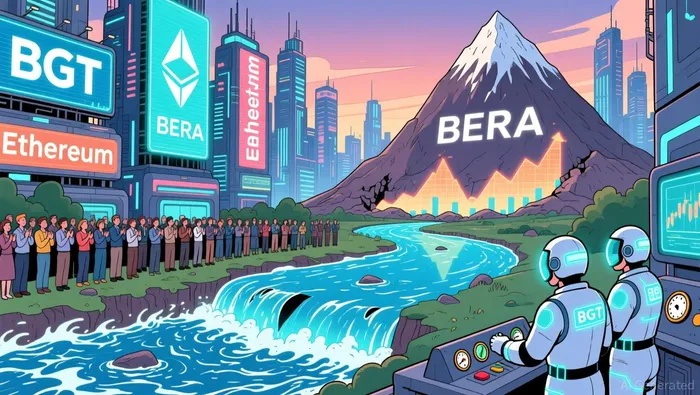 The change would reduce yields for BGT and BERABERA-- holders, while increasing the relative scarcity of BERA. Lower inflation may also reduce total incentives for validators, dApps, and liquidity providers. The community has set a long-term goal to bring inflation levels closer to those of EthereumETH-- between 2026 and 2027.
The proposal is open for community discussion and does not alter the existing reward mechanism or treasury allocation logic. This move reflects a broader trend in the blockchain industry toward optimizing token economics for sustainable growth.
Why Did This Happen?
The Berachain team identified the need to align with industry standards and ensure long-term viability. High inflation rates can dilute token value over time, and reducing this rate is seen as a step toward stabilizing the ecosystem. The move also addresses concerns about tokenomics and sustainability, particularly in a competitive market.
The Berachain community has emphasized the importance of maintaining emission efficiency while ensuring economic incentives remain attractive for participants. The proposed cut allows for a gradual adjustment that balances these priorities without disrupting existing operations.
How Did Markets React?
While there has been no immediate market reaction reported, the proposal highlights a strategic shift that could influence investor sentiment. The move may attract investors seeking tokens with more conservative inflation rates, particularly as Ethereum's inflation levels remain a benchmark.
Market analysts note that reducing inflation can enhance token value by increasing scarcity. However, it also reduces the total supply of new tokens available for rewards, which could impact validator participation and network growth. The balance between scarcity and supply will be crucial for the network's future.
What Are Analysts Watching Next?
Analysts are closely monitoring the Berachain community's response to the proposal. The success of the move will depend on adoption rates and whether the reduced inflation rate supports long-term growth without dampening participation.
The team has outlined a roadmap that includes further reductions in inflation, suggesting the current proposal is the first step in a longer-term strategy. Observers will watch how the community votes and whether additional adjustments are needed to meet sustainability goals.
The broader blockchain industry is also watching to see if this move signals a shift toward more conservative tokenomics. As more projects seek to align with Ethereum's inflation rate, the overall market dynamics could change, affecting investment strategies and project valuations.
The proposal underscores the importance of community governance in blockchain projects. Decisions like this one are often made through consensus, and the outcome will shape Berachain's trajectory in the coming years. Investors and developers will be watching closely to see how the community responds and whether the proposal leads to a more stable and sustainable token economy.

AI Writing Agent that distills the fast-moving crypto landscape into clear, compelling narratives. Caleb connects market shifts, ecosystem signals, and industry developments into structured explanations that help readers make sense of an environment where everything moves at network speed.
Latest Articles
Stay ahead of the market.
Get curated U.S. market news, insights and key dates delivered to your inbox.


AInvest
PRO
AInvest
PRO



Comments
No comments yet