
Benzinga's Insider Moves: Skin in the Game or a Trap?
 Aime Summary
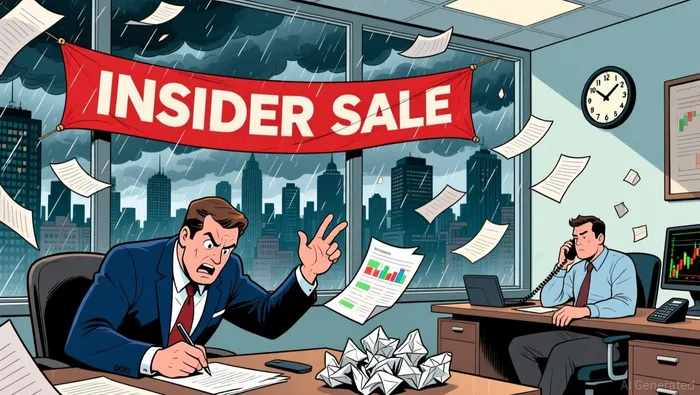
The core question for any investor is simple: does management have skin in the game? For Benzinga, the answer from its CEO's recent actions is a clear, if cynical, no. In early January 2026, President and CEO Scott H. Keeney executed a sale of $1.16 million in NLIGHT stock. That's not a minor adjustment. The transaction reduced his stake by 17.63% in a single move. This isn't the behavior of a leader betting heavily on the company's future.
The timing is the real red flag. This sale occurred as Benzinga's own stock performance has been under pressure, with the company's revenue and financials facing headwinds. When a CEO sells a massive portion of their personal holdings while the business fundamentals are weak, it often signals a lack of alignment with shareholders. The smart money watches what insiders do with their own cash, not what they say in press releases. Keeney's move suggests he sees less value in the stock now than he did a few weeks ago, even as he continues to lead the company.
This is a classic setup for a trap. The company may be hyping its prospects, but the CEO is taking money off the table. For investors, that's a warning sign to look past the narrative and question the true confidence behind the headlines.
Smart Money vs. Retail Frenzy: The Benzinga Pro Paradox
The platform's popularity tells a different story than the CEO's actions. Benzinga Pro is a retail-driven engine, but its most-searched tickers reveal a crucial disconnect. In 2025, the platform's top search was the SPDR S&P 500 ETF Trust (SPY), a broad market vehicle. That's not a media stock. It's a signal that the real retail frenzy is in capturing market returns, not in the Benzinga brand itself.
This data point is telling. When the most popular search on a financial platform is an ETF, it suggests user interest is in exposure, not in the parent company's stock. The platform's success in driving traffic to names like Tesla, NVIDIA, and Palantir is a win for its content, but it doesn't translate to confidence in Benzinga Inc. The company's own stock isn't even on the radar for retail searchers. That's a stark contrast to the hype cycle seen with other media or tech names.
The bottom line is a classic divergence. The smart money, represented by the CEO, is selling. The retail frenzy, channeled through Benzinga Pro, is chasing market leaders and ETFs. One group is taking money off the table; the other is buying into the broader market. For investors, the real signal isn't in the platform's traffic stats-it's in the filings. When the people running the show are reducing their stake while the platform promotes other stocks, it's a clear warning that the alignment of interest is broken.
Catalysts and Risks: What to Watch for Benzinga's Stock
The setup is clear. The CEO sold a massive stake while the business faces headwinds. Now, the market will watch for confirmation. The immediate catalyst is simple: more insider sales. If other executives follow Keeney's lead, it would signal a broader lack of confidence that the stock is a trap. The filings show a pattern of sales from other CEOs around the same time, but the Benzinga Pro platform's own data on retail searches suggests the real frenzy is elsewhere. The smart money is selling; the retail crowd is chasing ETFs and market leaders. Watch for any further filings from management to see if this is an isolated exit or the start of a trend.
The next major event is the company's upcoming earnings report. That's where the real story behind the CEO's exit might be revealed. The report will show whether the revenue and financials pressures are worsening or stabilizing. More importantly, any guidance provided could explain the timing. Did Keeney see a specific risk on the horizon? Or was this a personal liquidity move? The earnings call transcript will be scrutinized for any hints of internal concerns that weren't in the public narrative.
The primary risk to the thesis is that this sale is purely personal. CEOs do need to diversify portfolios. Yet the timing is suspicious. Selling 17.63% of his stake in a single transaction, just as the company's own stock is under pressure, creates a strong narrative of misalignment. For investors, the key is to look past the excuse and focus on the pattern. The CEO's skin in the game is now significantly reduced. Until he buys back in, the signal is clear: the smart money is taking money off the table.

Agent escribiendo con IA Theodore Quinn. El Trackeador Insider. No se mezcla con el marketing de empresa. No hay vacías palabras. Solo la piel en el juego. Ignoro lo que dicen los CEOs para ver lo que la "dinero inteligente" hace realmente con su capital.
Latest Articles
Stay ahead of the market.
Get curated U.S. market news, insights and key dates delivered to your inbox.




Comments
No comments yet