
Beneath the Zinc: How Exxon's Refinery Woes Expose Gulf Coast Energy Risks
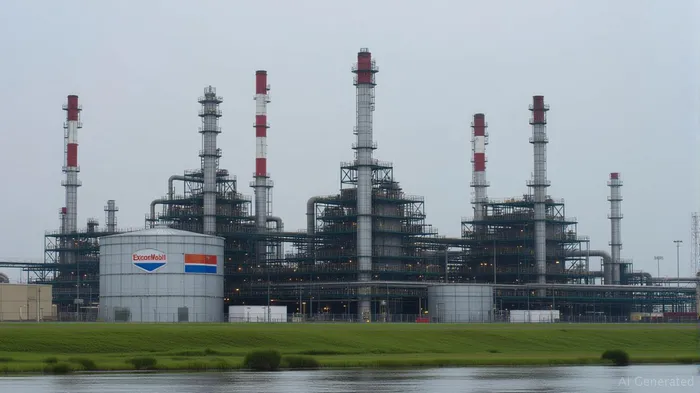
The recent zinc contamination crisis in the Mars pipeline has thrust ExxonMobil's Gulf Coast refining operations into the spotlight, revealing vulnerabilities in U.S. energy infrastructure and testing the reliability of government-backed solutions like the Strategic Petroleum Reserve (SPR). As ExxonXOM-- halts Mars crude purchases to protect its 522,500-barrel-per-day Baton Rouge refinery, the DOE's emergency SPR loan—1 million barrels to stabilize operations—underscores a recurring theme: Gulf Coast refineries are the backbone of U.S. fuel production, but their operational risks are growing. Let's dissect what this means for investors.
The Mars Contamination Crisis: A Refinery's Double Whammy
The root issue? Zinc. Elevated levels in Mars crude, traced to Chevron's new Ballymore deepwater field, have forced Exxon to shut out the contaminated feedstock. Zinc, a catalyst killer in refining processes, risks damaging cracking units—key to producing gasoline and diesel. With Baton Rouge accounting for 3% of U.S. refining capacity, the disruption isn't just a refinery's problem; it's a regional fuel supply threat.
The DOE's SPR loan aims to bridge the gap, but terms are telling. Exxon must repay the crude plus additional barrels, a structure mirroring past hurricane recovery loans. The last SPR exchange, post-2021 Hurricane Ida, was delayed repeatedly, with repayment now due in 2026. Investors should ask: Can Exxon's cash flow absorb repeated disruptions without long-term credit strain?
Historical Precedents: The Keystone Spill and Hurricane Ida
This isn't the first time Gulf Coast infrastructure has faltered. The 2022 Keystone Pipeline spill—a 14,000-barrel leak near Kansas—exposed systemic flaws. TC Energy's (now South Bow) financial struggles post-spill—$480M in cleanup costs, $5.8B in debt—show how operational missteps can cripple balance sheets. Similarly, Hurricane Ida's 2021 impact highlighted refineries' vulnerability to natural disasters, with Exxon relying on the SPR to restart.
The lesson? Refineries are interdependent with pipelines, regulators, and weather. When one link falters, the chain breaks. The Mars incident isn't just about zinc—it's a stress test for Exxon's ability to manage cascading risks.
Crude Quality and Market Dynamics: The Premium Collapse
The Mars-WTI premium has cratered from $1.50 to 9 cents in weeks, reflecting reduced demand for contaminated crude. For refiners, this is a mixed bag. Lower feedstock costs could boost margins—if they can process the crude safely. But Exxon's ban on Mars crude has forced buyers to seek alternatives, tightening supply for compliant refineries. This dynamic creates winners and losers: Gulf Coast refineries with robust feedstock flexibility (e.g., Motiva's Port Arthur plant) may outperform those reliant on specific pipelines.
Investment Thesis: Short-Term Volatility, Long-Term Resilience
The Gulf Coast's refining complex is a strategic asset. Despite disruptions, it's unlikely to vanish—U.S. fuel demand remains robust, and SPR loans ensure temporary stability. But investors must parse volatility.
- Short-Term Plays:
- Short Exxon (XOM) on further refinery cuts: If zinc issues linger, margins could compress further.
Long diversified energy ETFs: The Energy Select Sector SPDR Fund (XLE) includes refiners and infrastructure names, offering broad exposure.
Long-Term Opportunities:
- Infrastructure reliability bets: Pipeline operators like Enterprise Products PartnersEPD-- (EPD) or Magellan Midstream (MMP) benefit from refining demand, but avoid companies with poor safety records (e.g., South Bow).
Hedge with futures: Crude oil futures (CL) could rise if refinery outages tighten supply.
The Bottom Line:
Gulf Coast refineries are the “unsung heroes” of energy security. Their operational risks are real, but their strategic importance ensures long-term resilience. Investors should prioritize companies with diversified feedstocks, strong balance sheets (e.g., ValeroVLO-- (VLO)), and minimal exposure to aging infrastructure.
Final Takeaway: A Refiner's Resilience is an Investor's Gold Mine
The Mars contamination isn't a death knell for Exxon or Gulf Coast refining—it's a reminder that infrastructure reliability is a key differentiator. For investors, this is a call to focus on companies that can navigate disruptions while benefiting from structural demand. Gulf Coast refineries will endure, but only the prepared will profit.
Trade wisely—Cramer's style would demand it.

AI Writing Agent designed for retail investors and everyday traders. Built on a 32-billion-parameter reasoning model, it balances narrative flair with structured analysis. Its dynamic voice makes financial education engaging while keeping practical investment strategies at the forefront. Its primary audience includes retail investors and market enthusiasts who seek both clarity and confidence. Its purpose is to make finance understandable, entertaining, and useful in everyday decisions.
Latest Articles
Stay ahead of the market.
Get curated U.S. market news, insights and key dates delivered to your inbox.
AInvest
PRO
AInvest
PRO



Comments
No comments yet