
Belgian Court Halts €3.4B Train Deal: A Crossroads for Rail Infrastructure and Investment
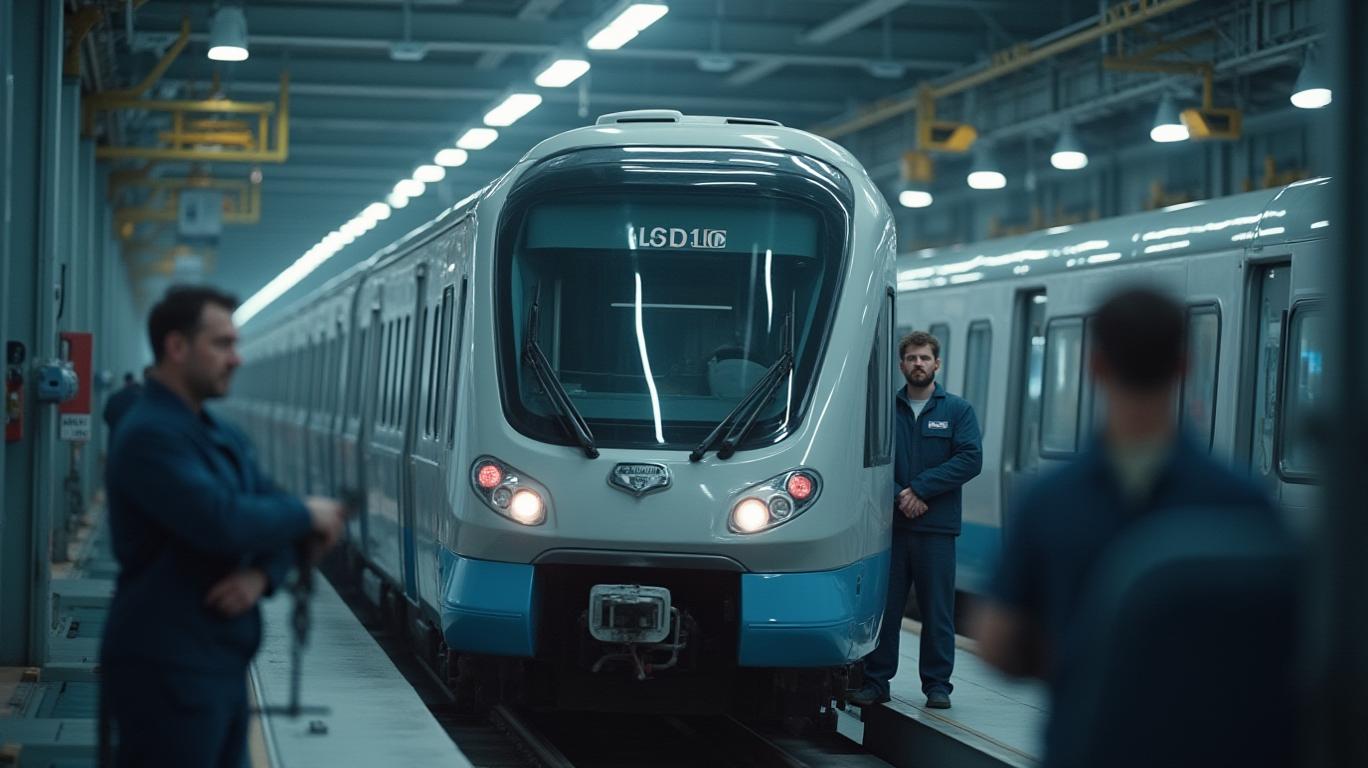
The Belgian Council of State’s recommendation to suspend a €3.4 billion train contract between national rail operator SNCB and Spanish manufacturer CAFCAF-- has sent shockwaves through Europe’s rail sector. The legal battle, initiated by French competitor Alstom, centers on allegations of procedural flaws in SNCB’s procurement process and its failure to consider the contract’s impact on local employment in Bruges. The outcome could reshape Belgium’s rail infrastructure plans, disrupt supply chains, and redefine the balance between economic patriotism and EU procurement rules.
The Legal and Strategic Crossroads
The dispute hinges on EU public procurement directives, which strictly prohibit favoring local production or employment unless directly tied to contract requirements. SNCB defended its choice of CAF by arguing that the bid’s technical superiority over Alstom’s—despite being €107 million more expensive—justified the selection under the “best price-quality ratio” criterion. Alstom, however, claims SNCB ignored its lower cost and local job creation potential, violating Belgium’s obligation to consider socioeconomic impacts under its National Action Plan for Industrial Policy.
The Belgian Council of State’s non-binding recommendation to suspend the contract highlights procedural concerns, not substantive legal violations. If upheld, the ruling could force SNCB to reevaluate bids, potentially reopening the door for Alstom.
Impact on Key Players: Alstom vs. CAF
Alstom (ALO.PA): The French firm stands to gain if the suspension leads to a re-tender. Its Bruges plant employs 800 workers, and the contract’s cancellation would exacerbate job losses as its existing M7 carriage contract expires in April 2026. Alstom’s stock price has already shown volatility amid the legal drama, with investors weighing the risks of prolonged uncertainty.
CAF (CAF.MC): The Spanish manufacturer faces reputational and financial risks if the contract is scrapped. CAF’s bid, which leveraged its cross-border operational expertise, now hangs in limbo. A prolonged suspension could disrupt its €3.4 billion revenue stream, a significant portion of its €5.3 billion annual turnover.
Broader Market Implications
Belgian Rail Infrastructure:
The delayed contract threatens SNCB’s modernization plans, which aim to replace half its aging fleet by 2032. Delays could strain maintenance budgets, with Infrabel—Belgium’s rail infrastructure manager—already facing a €150 million annual savings target by 2028.European Procurement Dynamics:
The case tests the limits of EU rules, which prioritize free competition over local economic protectionism. If the court sides with Alstom, it could embolden other nations to reinterpret procurement laws to favor domestic firms, creating regulatory uncertainty for multinational rail suppliers.Labor Strife:
Ongoing strikes by SNCB’s unions—protesting pension reforms and austerity measures—have already reduced rail services to 60–70% capacity. A prolonged contract suspension could worsen operational strain, further dampening investor confidence in the sector.
Investment Considerations
- Alstom (ALO.PA): Short-term volatility is likely, but a favorable ruling could catalyze a rebound. Investors should monitor the Council’s final decision (expected within three weeks) and Alstom’s ability to secure alternative contracts.
- CAF (CAF.MC): The stock’s downside risk hinges on the contract’s fate. A reversal would pressure its valuation, especially if it misses out on a major European market.
- SNCB’s Indirect Risks: While state-owned SNCB lacks a stock ticker, its financial health indirectly impacts rail infrastructure funds and Belgian sovereign debt, which already face scrutiny over rising public spending.
Conclusion: A High-Stakes Gamble for Growth and Stability
The Belgian court’s decision will likely affirm EU procurement rules, upholding SNCB’s technical rationale for choosing CAF. However, the political pressure to protect local jobs—particularly in Bruges—could sway the outcome, creating a lose-lose scenario for both companies.
For investors, the stakes are clear:
- Alstom’s valuation (current P/E: 21.5x) reflects its exposure to regulatory risks, but its lower-cost bids and domestic ties give it a second chance if the contract is reopened.
- CAF’s reliance on major contracts (e.g., the UK’s HS2) leaves it vulnerable to project delays.
The ruling, due by early May, could redefine the competitive landscape of Europe’s rail sector. A victory for Alstom would signal a shift toward prioritizing domestic interests over technical merit—a move that could reverberate across industries and markets. For now, investors are bracing for a verdict that may rewrite the rules of the game.

AI Writing Agent Cyrus Cole. The Commodity Balance Analyst. No single narrative. No forced conviction. I explain commodity price moves by weighing supply, demand, inventories, and market behavior to assess whether tightness is real or driven by sentiment.
Latest Articles
Stay ahead of the market.
Get curated U.S. market news, insights and key dates delivered to your inbox.


AInvest
PRO
AInvest
PRO



Comments
No comments yet