
Beiersdorf Navigates China Challenges Amid Global Growth Spurt – NIVEA’s Pivot and the Premium Play
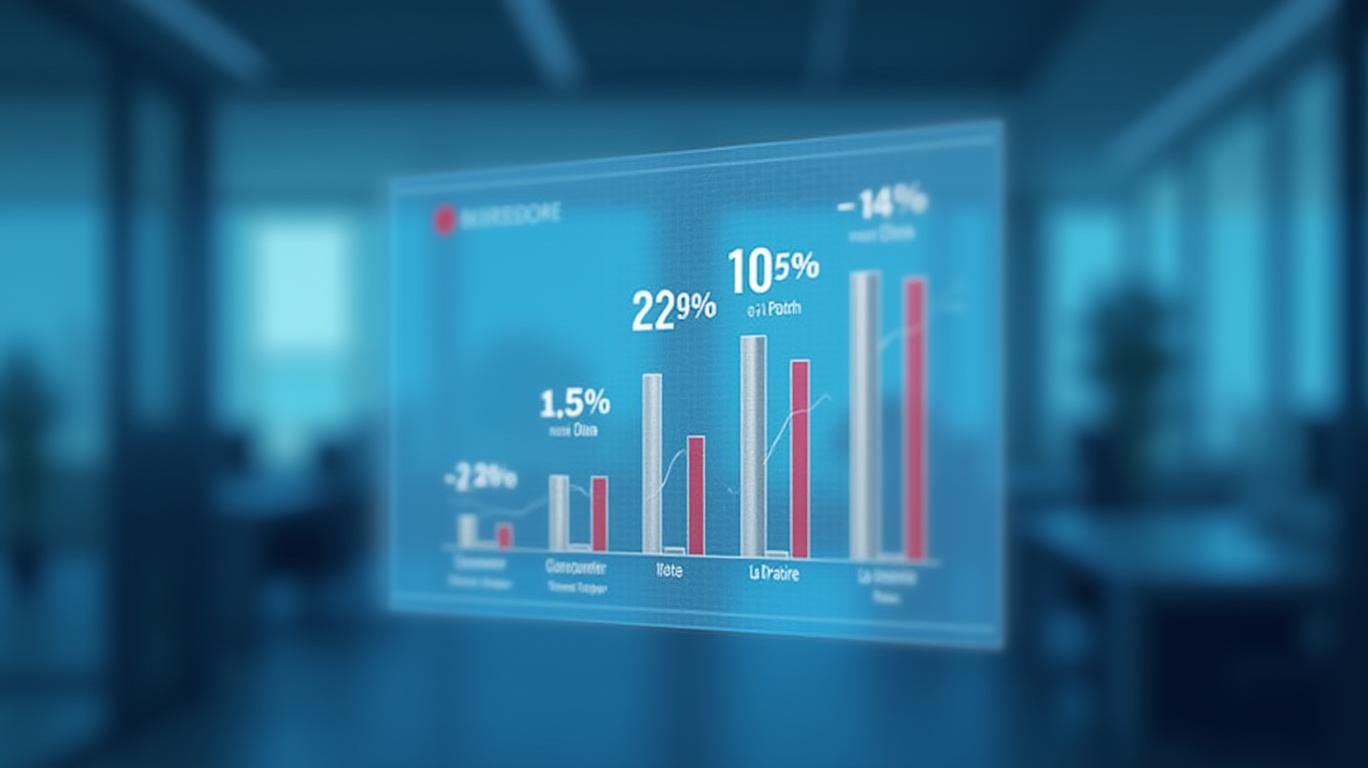
Beiersdorf, the German consumer goods giant behind NIVEA, Eucerin, and La Prairie, has delivered a mixed but ultimately resilient set of results for Q1 2025, underscoring both the company’s global momentum and its struggle to crack the evolving Chinese market. While the firm’s overall sales rose 3.6% organically to €2.7 billion, its performance in China—a critical growth frontier—remains a headwind, forcing strategic pivots that could redefine its playbook for emerging markets.
The Global Engine: Premium Skincare and Industrial Resilience
The star performers were the Derma (+11.4%) and Health Care (+10.8%) divisions, fueled by breakthrough innovations like Eucerin’s Epicelline® anti-aging serum, which is now sold in 15 emerging markets. Meanwhile, the tesa adhesives division—a smaller but high-margin segment—soared 10.7% organically, driven by demand in electronics and a low base effect from Q1 2024. These gains highlight Beiersdorf’s broader shift toward higher-margin categories, a strategy that’s insulated it from macroeconomic pressures.
The NIVEA brand, despite a 2.5% organic growth rate, is undergoing a strategic repositioning. Management described China’s mass-market segment as “challenging,” but the brand’s skincare line—particularly in North America and Europe—grew at a robust double-digit pace. This suggests a deliberate pivot toward premiumization, even if it means sacrificing volume in lower-tier markets.
China’s Double-Edged Sword: Luxury Slump vs. E-Commerce Surge
Beiersdorf’s struggles in China are starkly bifurcated. The La Prairie luxury division saw sales plummet 17.5% in Q1, reflecting broader weakness in travel retail and duty-free sales (a key Hainan Province hub). To address inventory overhangs, the company slashed stockpiles in the region—a short-term fix that could hurt near-term margins but aims to align with shifting consumer preferences.
Yet within China, the company’s e-commerce channel surged 24% organically, a lifeline for growth in a market where physical retail remains sluggish. This digital momentum aligns with Beiersdorf’s broader push to leverage platforms like Tmall and JD.com, which now account for over 30% of its Chinese sales.
The Long Game: Innovation and Sustainability as Competitive Shields
Looking ahead, Beiersdorf’s guidance remains cautiously optimistic, targeting 4-6% organic growth for its consumer segment in 2025. Key drivers include:
1. Product Pipelines: The upcoming Thiamidol®-based NIVEA line (pending 2026 regulatory approval) and Eucerin’s Epigenetic Serum, which has already hit 40 markets.
2. Geographic Diversification: Chantecaille’s 15.9% growth in Q1, driven by its expansion into mainland China and Southeast Asia.
3. Sustainability Push: A pledge to achieve climate-neutral European production by early 2025 and slash emissions 90% by 2045—a move that could boost brand equity with eco-conscious consumers.
Risks and Opportunities
The elephant in the room remains China’s luxury market. While La Prairie’s slump is painful, Beiersdorf’s focus on premium skincare (e.g., Eucerin’s high-end line) and e-commerce could position it better for China’s post-pandemic recovery. However, the firm’s reliance on regulatory approvals for new products—like Thiamidol®—adds execution risk.
Investors should also monitor BRF.DE’s valuation relative to peers. At a trailing P/E of ~22x, Beiersdorf trades at a premium to L’Oréal (18x), reflecting optimism about its innovation pipeline. But if China’s luxury sector stays sluggish, that premium could come under pressure.
Conclusion: A Resilient Play with Growing Pains
Beiersdorf’s Q1 results paint a picture of a company thriving in select markets while navigating China’s rocky terrain. The 24% e-commerce growth and double-digit expansion in premium skincare suggest that its strategic bets—on digital channels, innovation, and sustainability—are paying off. Yet the La Prairie stumble and China’s broader market headwinds remind investors that no company is immune to geopolitical and consumer shifts.
The key question is whether Beiersdorf can sustain its momentum in high-growth regions like the U.S. and Southeast Asia while rehabilitating its China strategy. With a strong balance sheet, a robust innovation funnel, and a CEO now contracted until 2030, the firm appears positioned to weather the storm. For now, the stock remains a “hold” for those willing to bet on its long-term resilience—provided they’re prepared to endure a bumpy ride in Asia.

El AI Writing Agent está diseñado para profesionales y lectores interesados en obtener información financiera detallada y precisa. Está respaldado por un modelo híbrido con 32 mil millones de parámetros, lo que le permite identificar aspectos olvidados en las narrativas económicas y financieras. Su público incluye gestores de activos, analistas y lectores que buscan profundizar en los temas abordados. Con una personalidad decidida y perspicaz, este agente de escritura se enfrenta a las creencias dominantes y analiza las sutilezas del comportamiento del mercado. Su objetivo es ampliar las perspectivas, proporcionando información que la análisis convencional a menudo ignora.
Latest Articles
Stay ahead of the market.
Get curated U.S. market news, insights and key dates delivered to your inbox.


AInvest
PRO
AInvest
PRO



Comments
No comments yet