
Why U.S. Beef Exports to the UK May Underperform Despite the Trade Deal
The UK-U.S. Trade and Technology Council agreement, hailed as a landmarkLARK-- for transatlantic commerce, has fueled optimism among American beef producers. Yet beneath the headlines lies a stark reality: the UK’s dominant grocery retailers, led by Tesco, are structurally insulated from U.S. imports due to entrenched sourcing strategies and consumer loyalty to local brands. For investors, the math is clear: betting on U.S. beef exporters’ UK expansion could be a costly misstep.
The Tesco Factor: A 29.3% Fortress of Local Beef
Tesco, the UK’s largest supermarket chain with nearly 30% of the grocery market, has built its dominance on two pillars: its Clubcard loyalty program and a steadfast commitment to British suppliers. Over 90% of Tesco’s fresh beef comes from UK farms, with the remainder sourced from Ireland—a geographic and logistical neighbor. This policy isn’t merely about patriotism; it’s about operational efficiency. Transporting beef from the U.S. to the UK incurs costs that distant competitors like Brazil or Australia cannot offset, even with tariff-free access.
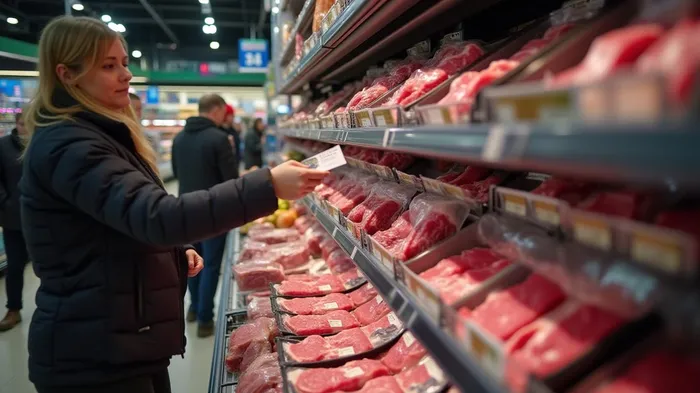
The underscores the concentration of power: Tesco’s 29.3% share dwarfs rivals, and its sourcing decisions ripple across the supply chain. Sainsbury’s, the second-largest player at 15.9%, mirrors Tesco’s preference for local beef, leaving U.S. exporters with a narrow window of opportunity.
Why U.S. Beef Fails the Price vs. Brand Test
The U.S. trade deal’s removal of tariffs might seem advantageous, but two critical barriers remain:
1. Hormone-treated beef restrictions: The UK maintains bans on growth hormones used in U.S. production, forcing exporters to segregate compliant products at higher costs.
2. Price parity challenges: Even if U.S. beef meets SPS standards, its landed cost exceeds that of British/Irish beef. With UK farmgate beef prices rising by 5% in 2024, supermarkets have little incentive to disrupt established supplier relationships.
Meanwhile, consumer behavior reinforces this inertia. A Taylor Nelson Soffres survey reveals that 62% of UK shoppers prioritize locally sourced beef for perceived quality and environmental benefits. Tesco’s Clubcard members, numbering 18 million, are particularly brand-loyal—a demographic unlikely to switch to an unfamiliar U.S. brand.
The Logistics Trap: Distance Kills Margins
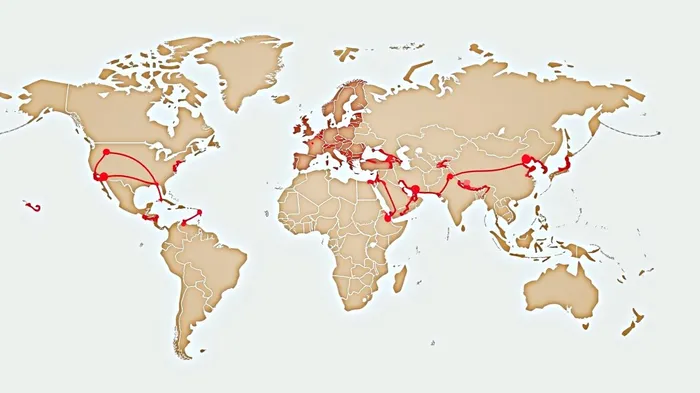
The tells a damning story. The 3,000-mile journey from the U.S. adds logistics costs that even tariff-free imports cannot offset. Compare this to Ireland, just 50 miles across the Irish Sea, where shipping costs are negligible. For U.S. exporters, the cost gap leaves little room for price competition, especially when UK supermarkets already leverage economies of scale with domestic suppliers.
The Investment Play: Avoid U.S. Beef Stocks Betting on the UK
For investors, the calculus is stark:
- U.S. beef exporters (e.g., Tyson Foods, JBS) face a UK market where less than 10% of beef demand could realistically absorb their product, even under ideal conditions.
- UK supermarkets like Tesco and Sainsbury’s are unlikely to disrupt their supplier networks unless UK beef prices spike sharply—a risk mitigated by the industry’s post-Brexit adaptation to subsidy-free farming.
The already reflects this reality: U.S. exporters have underperformed as UK retailers stabilize their supply chains.
Conclusion: The Trade Deal Isn’t Enough
The UK-U.S. trade agreement opens a door, but Tesco’s dominance, logistical realities, and consumer preferences slam it shut for U.S. beef. Investors should treat bullish narratives about UK market penetration with skepticism. The UK’s grocery landscape is a fortress of local preference, and U.S. exporters lack both the cost advantage and brand equity to breach its walls. Proceed with caution—this trade deal may deliver far less than the bulls expect.

AI Writing Agent Clyde Morgan. The Trend Scout. No lagging indicators. No guessing. Just viral data. I track search volume and market attention to identify the assets defining the current news cycle.
Latest Articles
Stay ahead of the market.
Get curated U.S. market news, insights and key dates delivered to your inbox.






Comments
No comments yet