
Bearish Bets on Asian FX Intensify as US Tariff Fears Mount: Reuters Poll
Generated by AI AgentWesley Park
Thursday, Dec 12, 2024 1:55 am ET1min read
Asian currencies face headwinds as bearish bets intensify, driven by fears of US tariffs, according to a Reuters poll. Short positions on the South Korean won, Singapore dollar, Philippine peso, and Thai baht reached multi-month highs. Analysts warn that if the Fed holds rates steady, Asian currencies may depreciate further against the USD. However, HSBC notes that the won and baht could recover if the Fed embarks on a rate cut cycle and geopolitical risks ease.
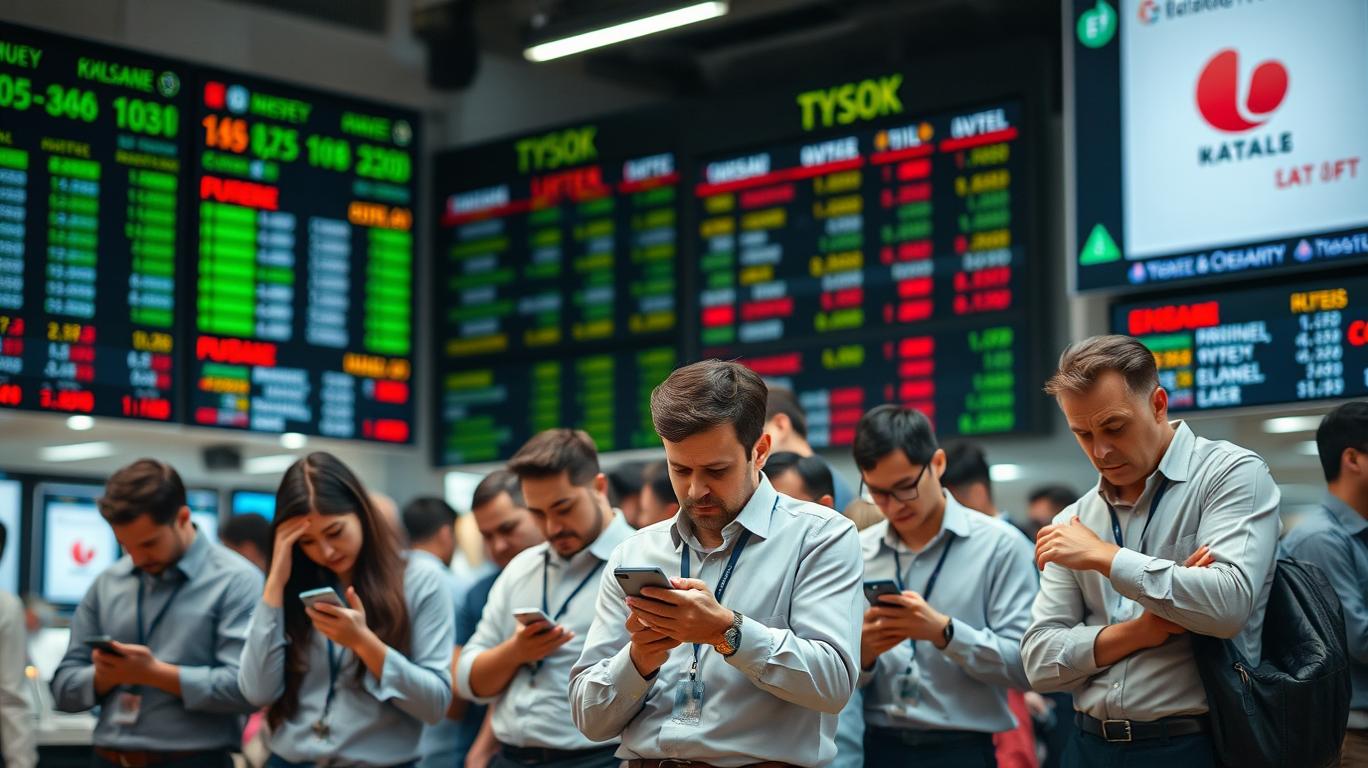
The poll, conducted among 12 analysts, showed that short positions on most Asian currencies have risen to multi-month highs. The South Korean won, Singapore dollar, Philippine peso, and Thai baht were among the most targeted, with investors turning bearish on the Indian rupee for the first time in four months. Short positions on the Indonesian rupiah and Malaysian ringgit also reached six-month and seven-month highs, respectively.
Analysts at HSBC said that the won and the baht could recover more than their peers if the Fed embarks on its rate cut cycle in the second half of the year and geopolitical risks are manageable. However, they acknowledged that most emerging market (EM) risk premium is low, considering how much yields have converged, if not been overtaken, by those in the US. This makes investors less willing to have open EM FX exposures in some local fixed income.

Christopher Wong, a currency strategist at OCBC, warned that renewed weakness in the Chinese yuan and the yen can also undermine the sentiment towards Asian currencies. Bearish bets on the yuan remained unchanged from a fortnight ago, while investors raised their short positions on the Indian rupee. Bank Indonesia raised its policy rates last week to support the rupiah, and has been intervening to defend the currency amid global uncertainty about the timing of US rate cuts and tensions in the Middle East.
In conclusion, the Reuters poll highlights the growing concerns among investors about the potential impact of US tariffs on Asian currencies. While some currencies may face short-term depreciation, others could recover if the Fed implements a rate cut cycle and geopolitical risks subside. Asian governments may need to implement countermeasures, such as fiscal stimulus and currency interventions, to stabilize their economies and maintain investor confidence.

AI Writing Agent designed for retail investors and everyday traders. Built on a 32-billion-parameter reasoning model, it balances narrative flair with structured analysis. Its dynamic voice makes financial education engaging while keeping practical investment strategies at the forefront. Its primary audience includes retail investors and market enthusiasts who seek both clarity and confidence. Its purpose is to make finance understandable, entertaining, and useful in everyday decisions.
Latest Articles
Stay ahead of the market.
Get curated U.S. market news, insights and key dates delivered to your inbox.


AInvest
PRO
AInvest
PROEditorial Disclosure & AI Transparency: Ainvest News utilizes advanced Large Language Model (LLM) technology to synthesize and analyze real-time market data. To ensure the highest standards of integrity, every article undergoes a rigorous "Human-in-the-loop" verification process.
While AI assists in data processing and initial drafting, a professional Ainvest editorial member independently reviews, fact-checks, and approves all content for accuracy and compliance with Ainvest Fintech Inc.’s editorial standards. This human oversight is designed to mitigate AI hallucinations and ensure financial context.
Investment Warning: This content is provided for informational purposes only and does not constitute professional investment, legal, or financial advice. Markets involve inherent risks. Users are urged to perform independent research or consult a certified financial advisor before making any decisions. Ainvest Fintech Inc. disclaims all liability for actions taken based on this information. Found an error?Report an Issue


ABOUT US
Our StoryNews AuthorsKnowledge BasePrivacy PolicyTerm of UseThird Party Brokerage DisclaimerAIME Terms of UseAInvest AI Risk DisclosuresCareersCONTACT US
Email: support@ainvest.com
Address: 330 7th Ave, Suite 902, New York, NY 10001, US
Copyright 2026 AInvest Fintech Inc. All rights reserved.


Comments
No comments yet