
Bear Gulch Fire Expands to 4,760 Acres, Prompting Urgent Lake Cushman Evacuations
 Aime Summary
The Bear Gulch Fire in Mason County, Washington, has expanded to approximately 4,760 acres with containment still at a modest 3%, as noted by the Washington Department of Natural Resources. The fire, reported to have human origins, commenced on July 6 near Mount Rose in the Olympic National Forest. It has since intensified in the steep, rocky terrain north of Lake Cushman, presenting considerable challenges for firefighting personnel.
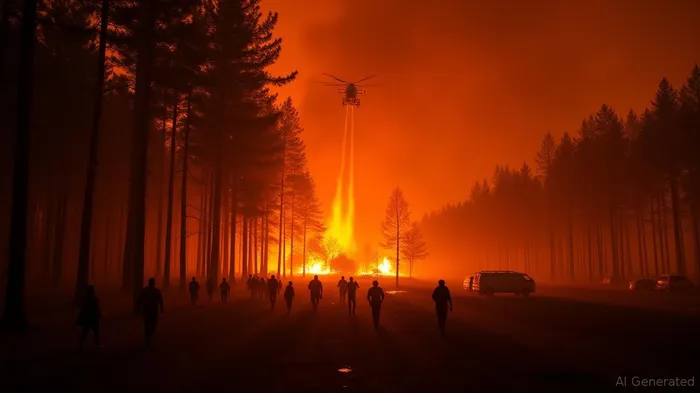
Efforts to suppress the fire rely on a comprehensive strategy. Ground crews are actively installing sprinkler systems, wrapping structures, and employing hoses to protect valuable assets and prevent further spread. Air support remains critical, with helicopters performing vital bucket drops to manage the edges of the fire. The difficult landscape, characterized by steep slopes, continues to pose risks with burning debris potentially rekindling flames.
Residents around Lake Cushman have been impacted by the fire, prompting Level 3 "Go Now" evacuation orders for areas including the Dry Creek Trail and Staircase Campground. These mandates demand immediate evacuation for the safety of the public. In addition, regions south of Dry Creek are under a Level 2 notice, urging readiness to evacuate if conditions worsen. Helicopter-supported operations and the strategic application of drones for monitoring and fuel management are ongoing as authorities aim to halt the fire's northward progression.
Despite increased humidity, which has slightly moderated the blaze, dry conditions continue to fuel concerns. The fire's behavior is predicted to remain vigorous, particularly on the southwestern side where terrain and dry fuels present heightened risks. Cooler temperatures and potential light showers forecasted for the following week could aid mitigation endeavors.
Road, trail, and campground closures are extensive across parts of the Olympic National Park to ensure public safety. Lake Cushman is closed to enable effective firefighting operations, and a temporary flight restriction over the fire area underscores the sensitivity of the airspace for ongoing aerial suppression efforts. Officials have urged the public to avoid flying drones in the vicinity, as such activities hinder essential aerial firefighting technologies.
The Bear Gulch Fire is among several large fires currently active in Washington, with seven significant wildfires being monitored by state authorities. The impact of these fires extends beyond immediate evacuation zones, with smoke affecting air quality across the Puget Sound region and posing potential health risks, especially to vulnerable populations.
Public cooperation remains crucial in managing the fire's progression and facilitating firefighting efforts. Authorities are seeking public assistance in determining the fire’s exact origin and have established a tip line for information submissions. Meanwhile, with park and trail closures in place and firefighters prepared for further challenges, the Bear Gulch Fire exemplifies the complex nature of wildfire management in difficult terrains.
The initialization of defensible space recommendations, along with prohibitions on campfires and outdoor burning across the affected regions, forms part of the broader effort to prevent additional fire incidents. As the fire remains a threat to the region, continued vigilance and adaptive firefighting strategies are essential to bring the situation under control and protect community safety.

Stay ahead of the market.
Get curated U.S. market news, insights and key dates delivered to your inbox.


AInvest
PRO
AInvest
PRO



Comments
No comments yet