
Battery Metals Bonanza: How U.S.-Indonesia Ties Are Charging EV Growth—and Investor Returns
The global electric vehicle (EV) revolution hinges on one critical ingredient: access to lithium, nickel, and cobalt. With the U.S. aiming to slash its reliance on Chinese-controlled mineral supply chains, Indonesia—a nation sitting atop 34% of the world's nickel reserves and growing cobalt production—is emerging as a linchpin. As tariff negotiations between Jakarta and Washington heat up, investors are now positioned to profit from a geopolitical realignment reshaping the EV battery supply chain.
A Lithium-Ion Lifeline: Why Indonesia Matters
Indonesia's mineral wealth is no secret. Its nickel reserves alone—used in 80% of EV batteries—could supply global demand for decades. Yet, its "downstreaming" policy, which requires raw minerals to be processed locally before export, has long frustrated U.S. manufacturers. Now, tariff talks are softening this divide. The U.S. lifted duties on critical minerals under its "Liberation Day" reforms, while Indonesia proposed trade concessions, including easing local content rules for U.S. electronics and boosting energy commodity imports. This détente is no accident: both nations want to cut China's stranglehold on EV supply chains.
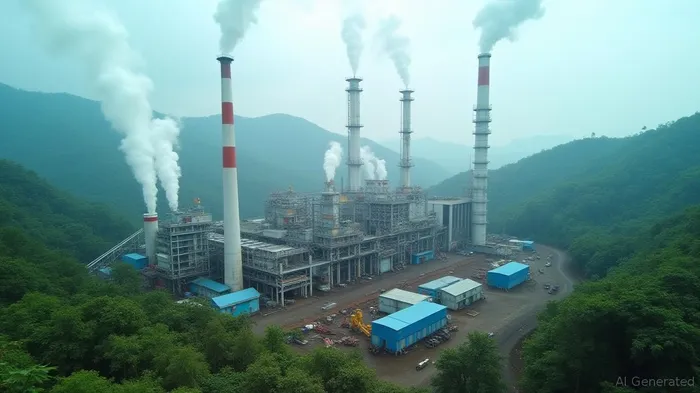
The EV Battery Supply Chain's New Frontline
The U.S. Inflation Reduction Act (IRA) has created a $12.5 billion incentive to build domestic EV manufacturing, but it requires critical minerals to be sourced from U.S. trade partners. Indonesia's proposed critical minerals agreement (CMA) would grant it CMA status, aligning Jakarta's nickel and cobalt with IRA tax credits—a lifeline for U.S. automakers like Ford and General MotorsGM--.
For investors, this means:
- Nickel plays: Companies like PT Vale Indonesia (ticker: INCO) or Newmont Mining (NEM), which partner with Indonesian miners, stand to gain as battery-grade nickel demand surges.
- Cobalt opportunities: Firms with stakes in Indonesian cobalt projects, such as First Quantum Minerals (FM), could see rising valuations.
- ETF exposure: The Global X Lithium & Battery Tech ETF (LIT) and VanEck Rare Earth & Strategic Metals ETF (REMX) offer diversified bets on EV raw materials.
Geopolitical Risks—and How to Mitigate Them
The U.S.-Indonesia deal isn't without hurdles. Environmental concerns—such as deforestation linked to nickel mining and toxic tailings management—could delay approvals. Meanwhile, China's dominance in Indonesian nickel processing (controlling 80% of projects) poses a strategic risk. Investors should prioritize firms with:
1. ESG compliance: Look for companies adhering to the proposed U.S.-Indonesia environmental rapid-response framework, which mandates transparent impact assessments.
2. Diversification: Pair mining equities with ETFs to hedge against regulatory or geopolitical delays.
3. Downstream integration: Firms that partner with Indonesian smelters or battery recyclers—such as LG Energy Solution (ticker: 051910.KS)—can capitalize on Jakarta's "process-first" policy.
The Bottom Line: Allocate Now—or Risk Missing the Boom
The EV market is projected to hit 50 million units annually by 2030, but supply chain bottlenecks could limit growth. The U.S.-Indonesia partnership aims to resolve these constraints—but investors must act before the market catches up.
- Buy: Nickel miners and battery tech ETFs with exposure to Indonesia.
- Hold: Wait for clarity on the CMA's environmental terms and China's role in processing.
- Avoid: Firms reliant on Chinese-controlled supply chains or lacking ESG credentials.
As the world races to electrify, Indonesia's mineral wealth and U.S. geopolitical pragmatism are creating a once-in-a-decade opportunity. The question isn't whether to invest—it's whether to act before the battery boom leaves you behind.

Stay ahead of the market.
Get curated U.S. market news, insights and key dates delivered to your inbox.
AInvest
PRO
AInvest
PRO



Comments
No comments yet