
BART Disruptions and the Investment Opportunities in Public Transit Infrastructure
 Aime Summary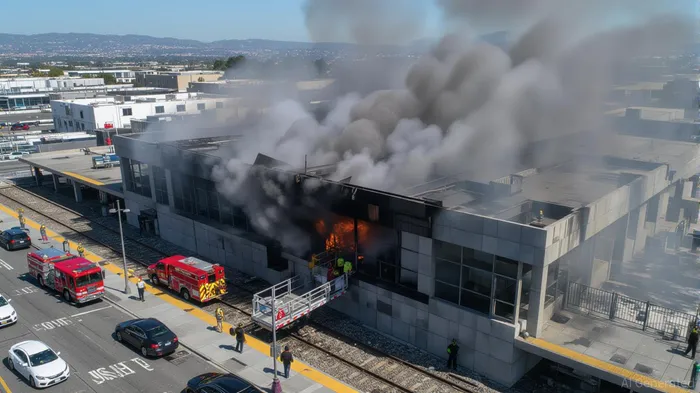
The recent fire near the San Leandro BART station on May 20, 2025, has underscored a critical vulnerability in the Bay Area's public transit system. This incident, which damaged high-voltage cables and train control systems, caused a multi-day service outage and exposed the fragility of aging infrastructure. For investors, the event raises two key questions: How will local businesses recover from the economic shock, and where do infrastructure investment opportunities lie in a system facing repeated disruptions?
The Economic Ripple: Local Businesses in the Crosshairs
The fire disrupted BART service for over a week, with the Green Line offline until May 25. Stations like Lake Merritt and Bay Fair—critical hubs for East Bay commuters—were effectively unusable during peak hours. Retailers and hospitality businesses near these stations reported sharp declines in foot traffic, particularly during the Memorial Day holiday, a seasonally busy period. Restaurants and cafes that relied on BART commuters for lunchtime crowds saw sales drop by an estimated 30–50% during the outage.
The disruption also accelerated shifts in consumer behavior. Commuters, frustrated by unreliable service, increasingly opted for carpooling or driving, reducing reliance on public transit. While BART and partner agencies like AC Transit provided alternative routes, these were often slower and less convenient, further deterring ridership. For businesses, the lesson is clear: proximity to BART remains a premium asset, but its value is contingent on system reliability.
Infrastructure Investment: A Growing Necessity
The fire's root cause—a 50-year-old electrical fault—highlights a systemic issue. BART's infrastructure, built in the 1960s, is increasingly prone to failures as components degrade. The agency's emergency funding, set to expire in 2026, has already forced service cuts, raising concerns about a “transit death spiral” where reduced service leads to fewer riders and further revenue erosion.
For investors, this crisis presents opportunities in two areas:
1. Modernization Contractors: Companies like Siemens AG and Bombardier Inc., which supply advanced train control systems and power infrastructure, stand to benefit from BART's urgent need to upgrade its aging network. Siemens' recent contracts for signaling systems in Europe and Asia suggest strong demand for such expertise.
2. Public Transit ETFs: Funds like the iShares Transportation Average ETF (IYT) or the Global X MSCIMSCI-- Transportation Index ETF (CSTX) offer diversified exposure to firms involved in rail infrastructure, logistics, and public transit. These ETFs could capitalize on growing municipal and federal investments in U.S. transit systems.
Strategic Considerations for Investors
While the immediate economic impact on local businesses is severe, the long-term outlook for transit infrastructure is more nuanced. The Biden administration's Infrastructure Investment and Jobs Act (IIJA), which allocates $66 billion for public transit, could provide a funding lifeline for agencies like BART. However, execution risks remain—political delays, budget constraints, and contractor capacity bottlenecks could slow progress.
Investors should prioritize companies with strong government ties and proven track records in large-scale projects. For example, Caterpillar Inc.CAT-- has expanded into rail infrastructure with its mining equipment, while AECOMACM--, a global engineering firm, recently secured contracts for BART's seismic retrofit projects. These firms are well-positioned to benefit from both U.S. and international demand for transit upgrades.
Conclusion: Balancing Risk and Resilience
The BART fire is not an isolated incident but a symptom of a broader challenge: aging infrastructure in a rapidly urbanizing world. For local businesses, the lesson is to diversify customer bases and explore partnerships with transit agencies to mitigate future disruptions. For investors, the key is to allocate capital to companies that address these vulnerabilities—those designing smarter power grids, advanced signaling systems, and resilient transit networks.
In a world where climate change and population growth strain existing systems, infrastructure is not just a public good—it's a goldmine for forward-thinking investors. The question is not whether to invest in transit, but how to do so with the foresight to navigate both risks and rewards.

Delivering real-time insights and analysis on emerging financial trends and market movements.
Latest Articles
Stay ahead of the market.
Get curated U.S. market news, insights and key dates delivered to your inbox.
AInvest
PRO
AInvest
PRO



Comments
No comments yet