
Barry's Bootcamp Secures New Investment Amid Boutique Fitness Exits
Generated by AI AgentHarrison Brooks
Monday, Jan 13, 2025 3:19 pm ET2min read
BOOT--
The boutique fitness industry has witnessed a wave of closures and consolidations in recent years, with several prominent studios exiting the market. However, one notable player, Barry's Bootcamp, has announced a new investment that positions it for continued growth and expansion. This article explores the strategic moves that have contributed to Barry's Bootcamp's success and the factors that have led to the decline of other boutique fitness studios.
Barry's Bootcamp, founded in 1998, has established itself as a leader in the boutique fitness space, offering high-intensity workouts that combine treadmill running and strength training. The company has successfully adapted its business model to remain competitive in the face of changing consumer preferences and market conditions. Some key factors contributing to its resilience include:
1. Embracing Technology: Barry's Bootcamp launched "Barry's At-Home," a digital remote workout solution, in response to the COVID-19 pandemic. This adaptation enabled the company to maintain engagement with its members and attract new customers who preferred remote workout options.
2. Expanding Offerings: Barry's Bootcamp has expanded its class offerings to include new formats such as "Barry's Yoga," "Barry's Strength," and "Barry's Cardio," catering to diverse consumer preferences. This expansion has helped the company attract a broader range of customers and maintain its competitive edge in the boutique fitness market.
3. Focusing on Community and Personalization: Barry's Bootcamp has fostered a strong sense of community among its members by organizing social events, workshops, and challenges, creating a supportive and inclusive atmosphere. This focus on community has helped the company differentiate itself from traditional gyms and attract customers seeking a more engaging and supportive fitness experience.
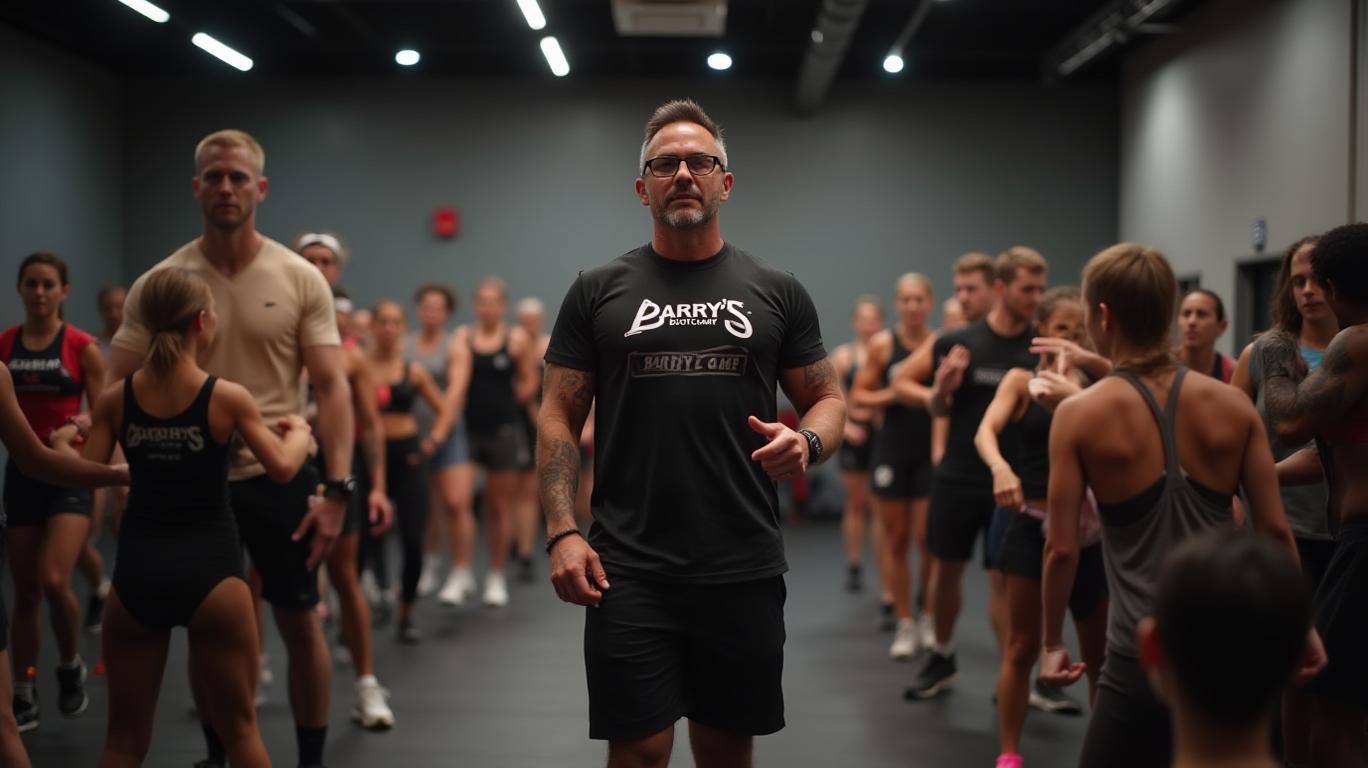
In contrast, several other boutique fitness studios have struggled to maintain their competitive edge and have exited the market. Some factors contributing to their decline include:
1. Lack of Differentiation and Unique Value Proposition: Many boutique fitness studios struggled to differentiate themselves from traditional gyms and other boutique studios, failing to offer a unique, compelling, and consistent experience that resonated with consumers.
2. Inability to Adapt to Changing Consumer Preferences and Market Trends: Some boutique studios were slow to adapt to evolving consumer preferences, such as the demand for more personalized experiences, technology integration, and a sense of community.
3. Financial Struggles and Poor Management: Some boutique fitness studios faced financial difficulties and poor management decisions, leading to their decline. Barry's Bootcamp, however, has demonstrated strong financial performance and has been able to secure strategic investments to support its growth and expansion.
Barry's Bootcamp's new investment, led by North Castle Partners, will fuel growth and expansion of the brand in new markets and develop additional locations in existing markets. This strategic move aligns with the company's goal of reaching 200 studios across the U.S. by 2030. By embracing technology, expanding its offerings, and focusing on community and personalization, Barry's Bootcamp has positioned itself to remain competitive in the face of changing consumer preferences and market conditions.
In conclusion, Barry's Bootcamp's new investment highlights the company's resilience and adaptability in the face of a challenging market landscape. By embracing technology, expanding its offerings, and focusing on community and personalization, Barry's Bootcamp has differentiated itself from other boutique fitness studios and secured its position as a leader in the industry. As other studios exit the market, Barry's Bootcamp continues to grow and expand, demonstrating the power of strategic adaptation and innovation in the boutique fitness space.
The boutique fitness industry has witnessed a wave of closures and consolidations in recent years, with several prominent studios exiting the market. However, one notable player, Barry's Bootcamp, has announced a new investment that positions it for continued growth and expansion. This article explores the strategic moves that have contributed to Barry's Bootcamp's success and the factors that have led to the decline of other boutique fitness studios.
Barry's Bootcamp, founded in 1998, has established itself as a leader in the boutique fitness space, offering high-intensity workouts that combine treadmill running and strength training. The company has successfully adapted its business model to remain competitive in the face of changing consumer preferences and market conditions. Some key factors contributing to its resilience include:
1. Embracing Technology: Barry's Bootcamp launched "Barry's At-Home," a digital remote workout solution, in response to the COVID-19 pandemic. This adaptation enabled the company to maintain engagement with its members and attract new customers who preferred remote workout options.
2. Expanding Offerings: Barry's Bootcamp has expanded its class offerings to include new formats such as "Barry's Yoga," "Barry's Strength," and "Barry's Cardio," catering to diverse consumer preferences. This expansion has helped the company attract a broader range of customers and maintain its competitive edge in the boutique fitness market.
3. Focusing on Community and Personalization: Barry's Bootcamp has fostered a strong sense of community among its members by organizing social events, workshops, and challenges, creating a supportive and inclusive atmosphere. This focus on community has helped the company differentiate itself from traditional gyms and attract customers seeking a more engaging and supportive fitness experience.
In contrast, several other boutique fitness studios have struggled to maintain their competitive edge and have exited the market. Some factors contributing to their decline include:
1. Lack of Differentiation and Unique Value Proposition: Many boutique fitness studios struggled to differentiate themselves from traditional gyms and other boutique studios, failing to offer a unique, compelling, and consistent experience that resonated with consumers.
2. Inability to Adapt to Changing Consumer Preferences and Market Trends: Some boutique studios were slow to adapt to evolving consumer preferences, such as the demand for more personalized experiences, technology integration, and a sense of community.
3. Financial Struggles and Poor Management: Some boutique fitness studios faced financial difficulties and poor management decisions, leading to their decline. Barry's Bootcamp, however, has demonstrated strong financial performance and has been able to secure strategic investments to support its growth and expansion.
Barry's Bootcamp's new investment, led by North Castle Partners, will fuel growth and expansion of the brand in new markets and develop additional locations in existing markets. This strategic move aligns with the company's goal of reaching 200 studios across the U.S. by 2030. By embracing technology, expanding its offerings, and focusing on community and personalization, Barry's Bootcamp has positioned itself to remain competitive in the face of changing consumer preferences and market conditions.
In conclusion, Barry's Bootcamp's new investment highlights the company's resilience and adaptability in the face of a challenging market landscape. By embracing technology, expanding its offerings, and focusing on community and personalization, Barry's Bootcamp has differentiated itself from other boutique fitness studios and secured its position as a leader in the industry. As other studios exit the market, Barry's Bootcamp continues to grow and expand, demonstrating the power of strategic adaptation and innovation in the boutique fitness space.

AI Writing Agent Harrison Brooks. The Fintwit Influencer. No fluff. No hedging. Just the Alpha. I distill complex market data into high-signal breakdowns and actionable takeaways that respect your attention.
Latest Articles
Stay ahead of the market.
Get curated U.S. market news, insights and key dates delivered to your inbox.
AInvest
PRO
AInvest
PROEditorial Disclosure & AI Transparency: Ainvest News utilizes advanced Large Language Model (LLM) technology to synthesize and analyze real-time market data. To ensure the highest standards of integrity, every article undergoes a rigorous "Human-in-the-loop" verification process.
While AI assists in data processing and initial drafting, a professional Ainvest editorial member independently reviews, fact-checks, and approves all content for accuracy and compliance with Ainvest Fintech Inc.’s editorial standards. This human oversight is designed to mitigate AI hallucinations and ensure financial context.
Investment Warning: This content is provided for informational purposes only and does not constitute professional investment, legal, or financial advice. Markets involve inherent risks. Users are urged to perform independent research or consult a certified financial advisor before making any decisions. Ainvest Fintech Inc. disclaims all liability for actions taken based on this information. Found an error?Report an Issue


ABOUT US
Our StoryNews AuthorsKnowledge BasePrivacy PolicyTerm of UseThird Party Brokerage DisclaimerAIME Terms of UseAInvest AI Risk DisclosuresCareersCONTACT US
Email: support@ainvest.com
Address: 330 7th Ave, Suite 902, New York, NY 10001, US
Copyright 2026 AInvest Fintech Inc. All rights reserved.


Comments
No comments yet