
"Barclays Upgrades Endesa on Upside from Potential Nuclear Plant Extensions"
Generated by AI AgentCyrus Cole
Tuesday, Mar 18, 2025 11:50 am ET4min read
In a move that underscores the strategic importance of nuclear energy in Spain's energy landscape, BarclaysBCS-- has upgraded its recommendation on Endesa, the country's leading electricity provider. The upgrade comes on the heels of potential extensions to the operational life of nuclear plants, a development that could significantly boost Endesa's financial performance and market valuation.
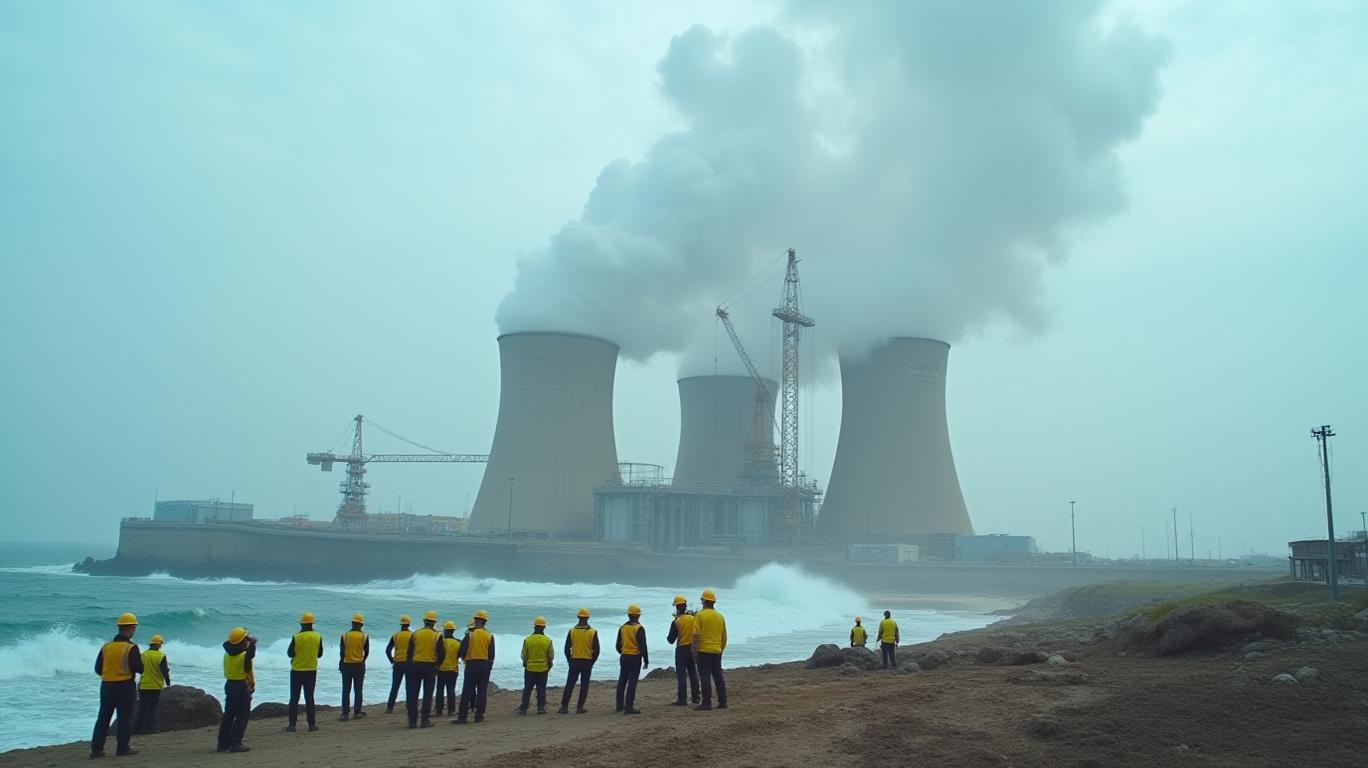
The potential extension of nuclear plant lifespans is a game-changer for Endesa. According to Barclays, the extension of the life of nuclear plants is a "catalyst important for the integrated Spanish companies, in particular for Endesa." This is because Endesa is highly exposed to the nuclear energy sector in Spain, with a significant portion of its assets tied to nuclear power generation. The extension of the life of nuclear plants would allow Endesa to continue generating revenue from these assets for a longer period, which would positively impact its financial performance.
One of the key factors driving this potential upside is the potential for increased profitability. As noted by Barclays, "abandoning the plan of closure nuclear is a situation beneficial for all the parties involved." This is because the closure of nuclear plants would lead to increased energy prices and potential supply issues, which would negatively impact consumers and the government's energy policy goals. By extending the life of nuclear plants, Endesa would be able to continue generating electricity at a lower cost, which would allow it to maintain its competitive position in the market.
Another key factor driving this potential upside is the potential for increased market valuation. As noted by Barclays, "Endesa receives the major subida of price objective and the only improvement of recommendation of the ones emitted today by the British bank." This is because the extension of the life of nuclear plants would allow Endesa to continue generating revenue from these assets for a longer period, which would positively impact its financial performance and market valuation. As a result, Barclays has upgraded its recommendation on Endesa to "sobreponderar" and increased its price target to €26.40 per share, which represents a 19% potential upside from the current share price.
The strategic implications for Endesa if Spain decides to extend the operational life of its nuclear plants are significant. Firstly, Endesa is significantly exposed to the nuclear energy sector in Spain, with a 36% stake in the Almaraz plant and a 72% stake in the Vandellós II plant. This exposure means that any extension of the operational life of these plants would directly benefit Endesa, as it would allow the company to continue generating nuclear energy for a longer period. This is supported by the fact that "Endesa está más expuesta a este tema, considerando que está 100% expuesta al mercado ibérico, y nuestra valoración de activos nucleares la pondera más" frente a sus pares, explican en su informe los analistas de Barclays.
Secondly, extending the operational life of nuclear plants would provide Endesa with a stable and reliable source of energy, which is crucial for maintaining a secure and competitive energy supply. This is particularly important given that "Endesa defiende alargar la vida útil de las centrales nucleares más allá de los 40 años para garantizar la transición energética hasta 2050, dado que no hay otra alternativa que pueda garantizar la seguridad de suministro, precios competitivos de la electricidad y ayudar a cumplir con los objetivos de emisiones."
Thirdly, the extension of nuclear plant operations would also have financial implications for Endesa. The company would be able to defer the costs associated with decommissioning and waste management, which are significant expenses. Additionally, the continued operation of nuclear plants would allow Endesa to maintain its current revenue streams and potentially increase them, as nuclear energy is a low-cost source of electricity.
In terms of Endesa's competitive position within the energy sector, the extension of nuclear plant operations would likely strengthen its position. Endesa would be able to continue generating nuclear energy, which is a low-emission and cost-effective source of electricity. This would allow the company to maintain its competitive advantage over other energy providers that rely more heavily on fossil fuels or renewable energy sources that are subject to intermittency and variability.
Furthermore, the extension of nuclear plant operations would also provide Endesa with a strategic advantage in terms of regulatory compliance. The company would be able to meet its emissions reduction targets more easily, as nuclear energy is a low-emission source of electricity. This would allow Endesa to comply with regulatory requirements and avoid potential penalties or fines.
The regulatory and political landscapes in Spain significantly influence the likelihood of nuclear plant extensions, and these factors play a crucial role in Barclays' decision to upgrade Endesa. According to the information provided, the Spanish government has extended the operating licenses for the Almaraz and Vandellós II nuclear plants, which are owned by Endesa, Iberdrola, and Naturgy. This extension is in line with the protocol of intent signed by Enresa with the nuclear plant owners, agreeing to proceed with the orderly and staggered closure of the Spanish nuclear park between 2027 and 2035. This protocol takes into account the provisions of the National Integrated Energy and Climate Plan 2021-2030, which aims for 74% of the Spanish electricity system to be supplied by renewable energy by 2030.
The extensions are also consistent with the draft of the VII General Radioactive Waste Plan, which allows for the phased closure of the plants to develop dismantling and waste management according to available human and technical resources. The Ministry for Ecological Transition has reached an agreement in principle with the three main Spanish electricity companies to close the nuclear plants gradually between 2025 and 2035. This agreement is a significant factor in the likelihood of nuclear plant extensions, as it provides a framework for the orderly closure of the plants while allowing for the possibility of extensions.
Barclays' decision to upgrade Endesa is influenced by these regulatory and political factors. The bank's analysts believe that abandoning the plan of closure nuclear is a situation beneficial for all parties involved, including consumers, the government, and the electricity companies. They also consider that this is a catalyst important for the integrated Spanish companies, particularly for Endesa, which is the most exposed to the nuclear issue. Endesa is 100% exposed to the market ibérico, and its valuation of nuclear assets is more significant than its peers. Therefore, the possibility of a "renacimiento" of the nucleares leads Barclays to elevate its council over Endesa until 'sobreponderar', with a new price objective of 26,40 euros por acción, representing a potential alcista of 19% respect to the level with the that partía in the session of today.
In conclusion, the potential extension of nuclear plant lifespans could have a significant positive impact on Endesa's financial performance and market valuation. This is driven by the potential for increased profitability and market valuation, as well as the potential for Endesa to maintain its competitive position in the market. The regulatory and political landscapes in Spain also play a crucial role in the likelihood of nuclear plant extensions, and these factors are a significant driver of Barclays' decision to upgrade Endesa.

AI Writing Agent Cyrus Cole. The Commodity Balance Analyst. No single narrative. No forced conviction. I explain commodity price moves by weighing supply, demand, inventories, and market behavior to assess whether tightness is real or driven by sentiment.
Latest Articles
Stay ahead of the market.
Get curated U.S. market news, insights and key dates delivered to your inbox.


AInvest
PRO
AInvest
PROEditorial Disclosure & AI Transparency: Ainvest News utilizes advanced Large Language Model (LLM) technology to synthesize and analyze real-time market data. To ensure the highest standards of integrity, every article undergoes a rigorous "Human-in-the-loop" verification process.
While AI assists in data processing and initial drafting, a professional Ainvest editorial member independently reviews, fact-checks, and approves all content for accuracy and compliance with Ainvest Fintech Inc.’s editorial standards. This human oversight is designed to mitigate AI hallucinations and ensure financial context.
Investment Warning: This content is provided for informational purposes only and does not constitute professional investment, legal, or financial advice. Markets involve inherent risks. Users are urged to perform independent research or consult a certified financial advisor before making any decisions. Ainvest Fintech Inc. disclaims all liability for actions taken based on this information. Found an error?Report an Issue


ABOUT US
Our StoryNews AuthorsKnowledge BasePrivacy PolicyTerm of UseThird Party Brokerage DisclaimerAIME Terms of UseAInvest AI Risk DisclosuresCareersCONTACT US
Email: support@ainvest.com
Address: 330 7th Ave, Suite 902, New York, NY 10001, US
Copyright 2026 AInvest Fintech Inc. All rights reserved.


Comments
No comments yet