
Banks Navigate Geopolitical Risks and Capital Rule Changes in 2026
 Aime Summary
Banks face heightened geopolitical risks from conflicts like the one in the Middle East, impacting energy prices, financial volatility, and operational security. Government ownership in banks correlates with reduced stock price crash risk due to perceived sovereign support, particularly in high-governance environments. Political risk insurance is becoming a strategic necessity for companies navigating geopolitical tensions and supply chain disruptions.
The global financial landscape in 2026 is marked by volatility and uncertainty, driven in large part by geopolitical tensions and shifting regulatory frameworks. Banks, as cornerstones of the global economy, are particularly exposed to these forces, from rising oil prices to capital rule changes proposed by central banks. For investors, understanding how banks are responding to these challenges—and where opportunities may lie—is crucial for navigating the current market.
The war in the Middle East has created a perfect storm for banks, with sharp swings in energy prices and global trade routes under threat. European banks, while not heavily exposed to the Gulf region, are still grappling with the ripple effects of energy shocks and potential cyber threats. Meanwhile, U.S. institutions like EverForward Trading have demonstrated how disciplined strategies can yield strong returns in a volatile market.
What Are the Key Geopolitical and Economic Risks Facing Banks in 2026?
Banks are increasingly exposed to geopolitical shocks that ripple through global markets. The conflict involving Iran has disrupted oil and fertilizer supply chains, with the Strait of Hormuz serving as a critical chokepoint for both energy and agricultural inputs according to research. This has led to sharp increases in oil prices and volatility in global financial markets. Analysts warn that such shocks could have cascading effects, from rising inflation to credit defaults, especially in economies heavily reliant on imported energy.
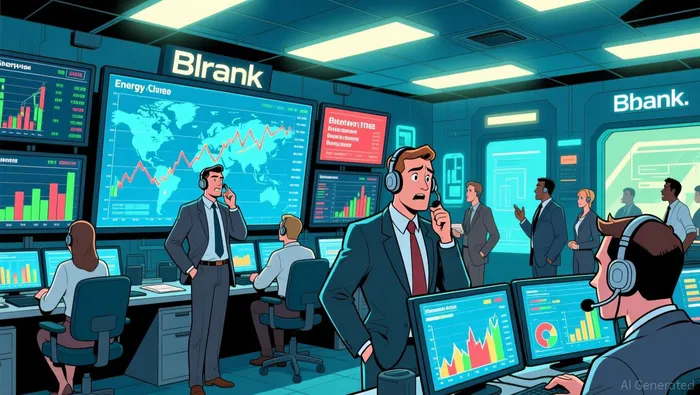
In response, banks are recalibrating their business models to reduce exposure to high-risk geographies and sectors. For example, European banks are strengthening operational resilience and reviewing dependencies on third-party providers. This includes investments in IT infrastructure and cybersecurity to guard against potential hybrid threats, such as cyberattacks or sabotage.
How Are Banks and Regulators Adjusting to Changing Capital Requirements and Risk Frameworks?
Regulators are also taking steps to adapt to the new environment. In the U.S., the Federal Reserve has proposed changes to capital requirements that aim to reduce the burden on banks while maintaining financial stability. These changes could free up capital for lending and other activities, potentially stimulating economic growth. The ECB, meanwhile, has emphasized the importance of scenario planning and cross-border liquidity lines to manage systemic risks in an interconnected financial system.
Government-owned banks, particularly in high-governance environments, are showing signs of resilience. Research indicates that government ownership is associated with a reduced likelihood of stock price crash risk due to perceived implicit guarantees. However, the effectiveness of this stabilizing influence is less clear in left-leaning political regimes, where political interference may dilute the benefits.
What Investment Opportunities and Strategies Are Emerging Amid Uncertainty?
Amid the uncertainty, investors are seeking strategies that balance risk with growth potential. Rethinking diversification has become a key theme, with some analysts advocating for a blend of global infrastructure and large-cap value stocks. These assets tend to perform better in inflationary periods and offer defensive characteristics. Additionally, the strategic use of derivatives and tactical sector rotation based on macroeconomic developments is gaining traction among institutional investors.
Political risk insurance is another growing tool for businesses and investors operating in volatile regions. With nearly 80% of global trade by volume moving via sea routes, disruptions to key maritime corridors are a major concern. Companies that once treated this coverage as optional are now considering it essential for maintaining supply chain continuity and mitigating financial losses.
For individual investors, staying informed about these trends—and how banks are adapting to them—is key. Whether through direct investments in resilient financial institutions or indirect exposure via diversified portfolios, understanding the broader context of how geopolitical and regulatory forces are shaping the banking sector is essential for making informed decisions in a rapidly changing market.

Stay ahead of the market.
Get curated U.S. market news, insights and key dates delivered to your inbox.


AInvest
PRO
AInvest
PRO



Comments
No comments yet