
J&J's Bankruptcy Plan Rejected, Faces $110 Billion in Potential Compensation
Johnson & Johnson (J&J) has faced another setback in its efforts to resolve tens of thousands of lawsuits alleging that its talc-based products, including baby powder, cause ovarian cancer. A federal bankruptcy court in Texas has rejected the company's third attempt to use a bankruptcy strategy to manage the legal fallout from these claims.
The court's ruling, delivered by Judge Christopher Lopez, found that the proposed settlement plan did not meet the requirements of the bankruptcy code. The judge criticized J&JJNJ-- for providing an unreasonably short voting period for claimants and for manipulating the voting process to achieve the required 75% approval threshold. The proposed plan involved the creation of a new subsidiary, Red RiverRRBI-- Talc, which would declare bankruptcy and use approximately $90 billion in funds to settle the claims, rather than going through the court system.
J&J had previously attempted this strategy twice, both times being rejected by a federal judge in New Jersey. The company had argued that the plan had the support of 83% of claimants, exceeding the 75% threshold required by U.S. bankruptcy law. However, the court found that the voting process was flawed and that J&J had acted in bad faith by attempting to manipulate the outcome.
In response to the court's decision, J&J has stated that it will return to the tort litigation system and pursue each case individually. The company has also indicated that it will withdraw approximately $70 billion in reserves that were set aside for the settlement. J&J's global litigation vice president, Erik Haas, released a statement asserting that the company will vigorously defend itself against what it describes as "meritless claims" driven by "greedy plaintiff lawyers" seeking deep-pocketed defendants.
The court's decision is a significant blow to J&J's efforts to resolve the talc litigation through bankruptcy. The company now faces the prospect of lengthy and costly litigation, with the potential for substantial damages if the claims are successful. The outcome of this legal battle could have far-reaching implications for J&J and the broader pharmaceutical industry, as it grapples with the fallout from allegations of product liability and corporate misconduct.
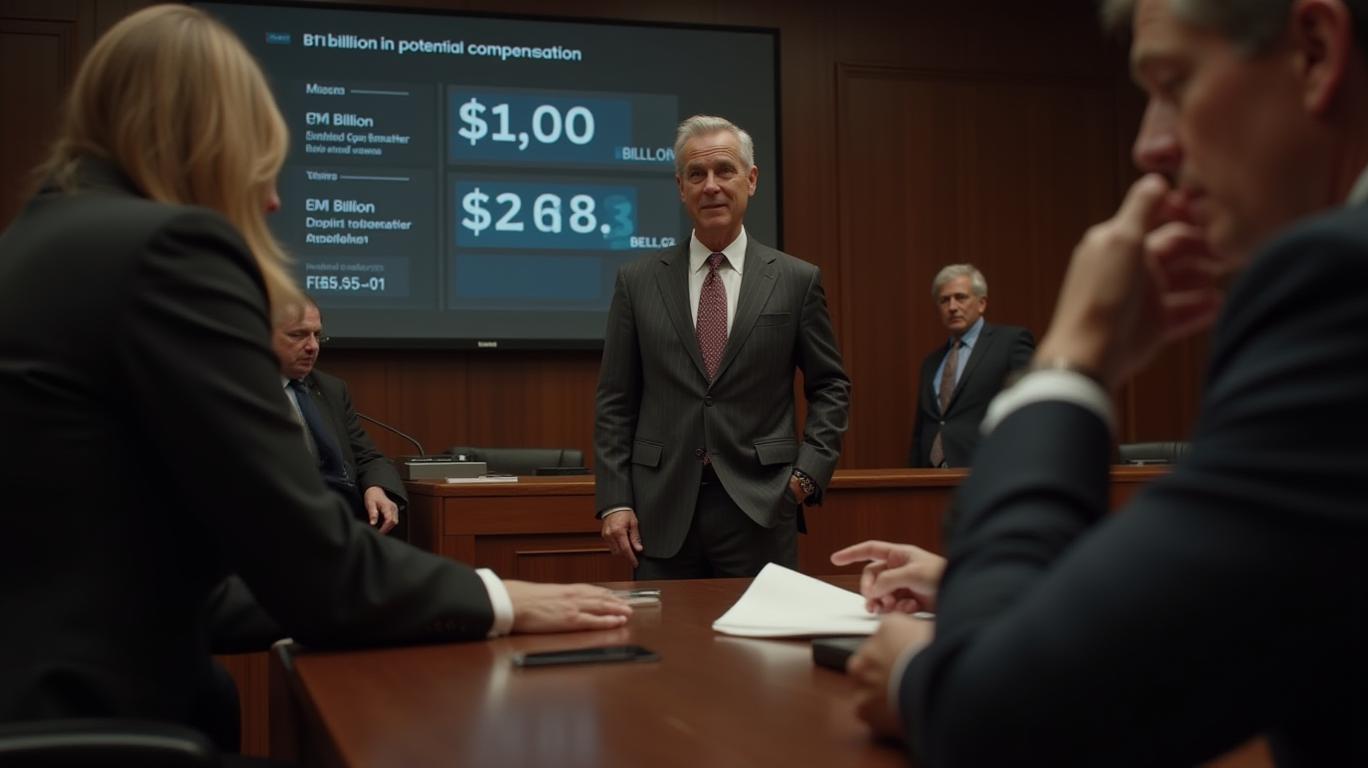
Analysts have pointed out that this defeat could mean J&J faces up to $110 billion in potential compensation. The company's stock price has seen significant declines, reflecting ongoing market concerns about its legal risks. J&J maintains that its talc products are safe, backed by 40 years of scientific evidence. The company is currently evaluating its options for appeal while continuing to assert the safety of its products.

Stay ahead of the market.
Get curated U.S. market news, insights and key dates delivered to your inbox.




Comments
No comments yet