
Bankruptcy as a Bargain Basement: Navigating Retail Restructurings for Strategic Gains
The retail sector in 2025 is a landscape of contrasts: on one side, legacy brands like Forever 21 and ExpressAXP-- Inc. are liquidating stores and filing for Chapter 11 protection; on the other, agile competitors such as Shein and Target thrive by adapting to digital-first, value-driven consumers. For investors, this divergence creates a unique opportunity: the bankruptcy proceedings of distressed retailers can be a treasure trove of undervalued assets and tactical entry points.
The Retail Crisis: A Catalyst for Opportunity
The data is stark. In February 2025 alone, U.S. commercial Chapter 11 filings fell 42% compared to 2024, but this decline masks deeper structural issues. Retailers such as Liberated Brands (owner of Volcom and Quiksilver) and Forever 21 entered bankruptcy, citing liabilities exceeding $3 billion and collapsing store traffic. Meanwhile, global brands like Ted Baker and Dion Lee shuttered operations entirely. These filings are not just about failure—they are auctions of assets, brands, and intellectual property at discount prices.
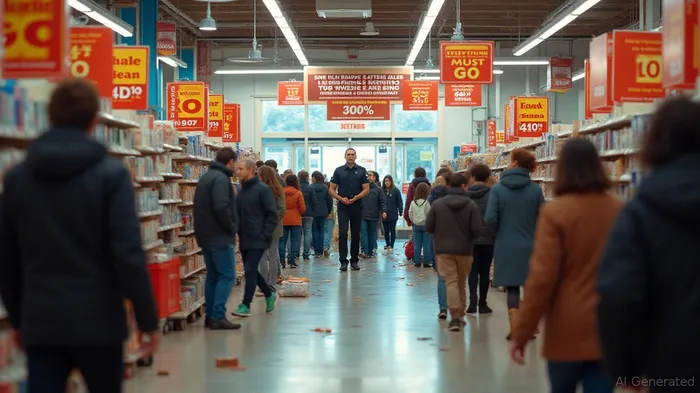
The economic backdrop amplifies the urgency: high interest rates, inflationary pressures on supply chains, and a shift toward online shopping have left brick-and-mortar retailers stranded. Yet within this turmoil, distressed debt investors can exploit mispricings, particularly in three areas:
Brands with Niche Appeal:
Fashion labels like Palm Angels (under New Guards Group) or Y/Project may be undervalued in bankruptcy sales but retain strong brand equity among luxury or Gen Z audiences.Real Estate Assets:
Empty mall spaces or prime urban retail locations often trade at 30-50% below pre-crisis valuations.Technology Platforms:
Retailers with proprietary data systems or AI-driven inventory tools (e.g., Plenty Unlimited's indoor farming tech) may be undervalued relative to their long-term potential.
Case Studies: Where to Look for Value
Express Inc. (Chapter 11, April 2024)
Express's restructuring exemplifies the profit potential in distressed debt. The company sold nearly 100 stores to WHP Global in June 2024, recovering 60% of its asset value. For investors who identified this early, the gain was substantial.
Liberated Brands (Chapter 11, February 2025)
The liquidation of Liberated Brands' 122 U.S. stores offers a chance to acquire sport-lifestyle brands at a discount. Competitors like Coty Inc. or LVMH may be buyers, but smaller investors can access these assets through bankruptcy auctions or secondary markets.
Mall Real Estate:
As retailers abandon malls, investors can buy undervalued commercial real estate. For example, Simon Property Group has already begun repurposing malls into mixed-use spaces—a trend to monitor for strategic land purchases.
The Investment Playbook: Tactics for Distressed Debt Investors
Focus on Operational Turnarounds:
Target companies like Franchise Group, which exited Chapter 11 in June 2025 with reduced debt and a streamlined portfolio (e.g., Pet Supplies Plus).Leverage Bankruptcy Auctions:
Participate in asset sales through platforms like Bid4Assets or via legal counsel. These auctions often discount assets by 30-40% to secure quick sales.Monitor Creditor Compromises:
Debt restructuring plans (e.g., Express Inc.'s bondholder agreements) may offer bonds or equity swaps at favorable terms.Avoid Overleveraged Names:
Steer clear of companies with unsustainable debt-to-equity ratios, such as Canoo or Northvolt, which collapsed under $5+ billion liabilities.
Risks and Caution Flags
- Execution Risk: Even viable assets can fail if the buyer lacks operational expertise (e.g., Macy's's continued store closures despite Chapter 11 attempts).
- Regulatory Headwinds: Bankruptcy laws vary globally; ensure compliance with Chapter 15 (cross-border insolvency) when investing in international cases like Evergrande Group.
- Market Sentiment: Retail stocks remain volatile; consider timing purchases during seasonal dips (e.g., post-holiday liquidation sales).
Conclusion: The New Retail Renaissance
The retail sector's bankruptcy wave is not an end—it's a reset. For investors willing to navigate complexity, sectors like sustainable fashion, AI-driven supply chains, and urban real estate repurposing offer asymmetric upside. The key is to act decisively: the bargain basement of Chapter 11 is open for business, but only to those who see beyond the rubble.
In this environment, the mantra for investors should be: Buy the dip, but verify the value. The retailers that emerge stronger from Chapter 11 will be the ones that adapt to the digital, value-driven, and sustainability-focused consumer—and their seeds are sown in today's bankruptcy courts.

Stay ahead of the market.
Get curated U.S. market news, insights and key dates delivered to your inbox.


AInvest
PRO
AInvest
PRO



Comments
No comments yet