
Bankruptcies Drive Retail Store Closures in 2024
Generated by AI AgentEli Grant
Monday, Dec 23, 2024 4:35 pm ET1min read
CVS--
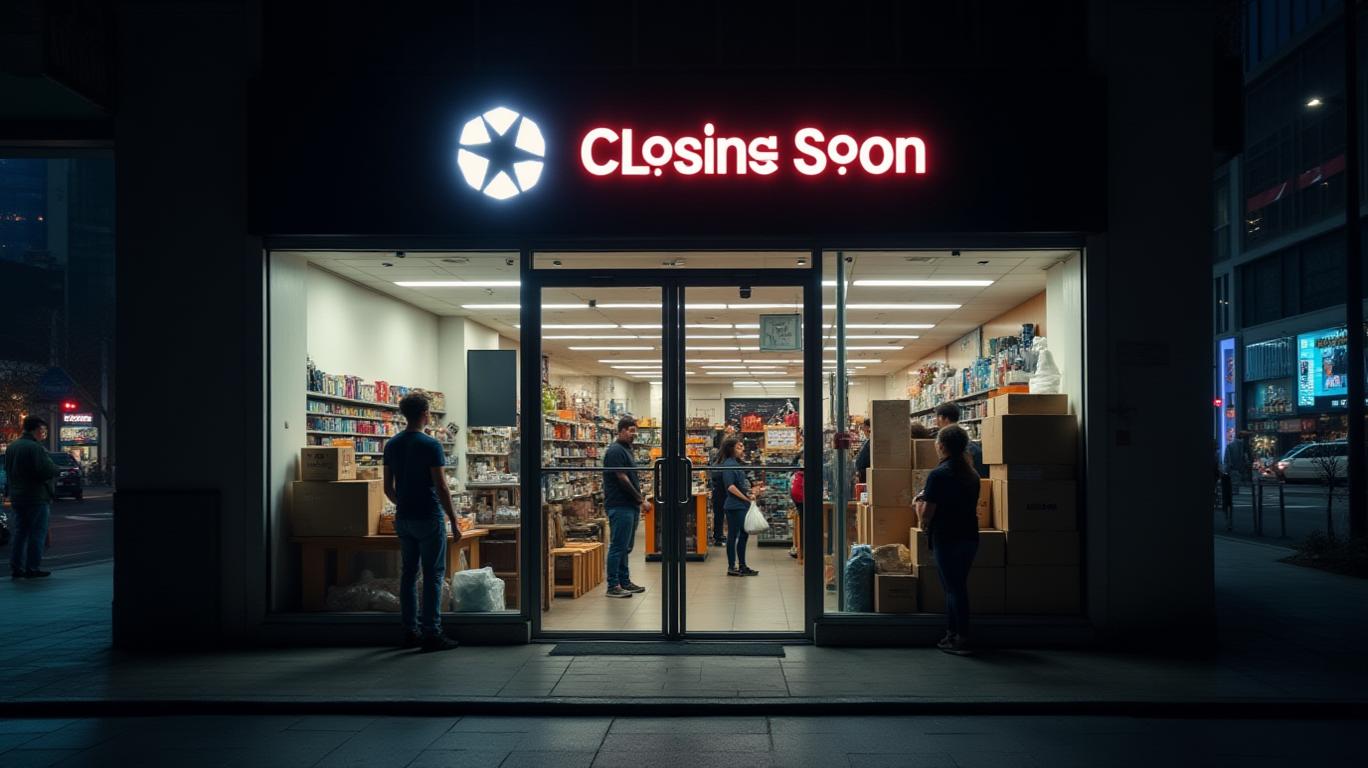
The retail landscape in 2024 has been marked by a surge in store closures, with bankruptcies leading the charge. According to CoreSight data, U.S. retailers announced over 7,100 store closures through November, a 69% increase from the same period in 2023. This trend was driven by 45 retail bankruptcies, compared to 25 in 2023. Inflation-weary shoppers seeking sales and deals, coupled with retailers' struggles to adapt to changing consumer preferences and competitive threats, have contributed to this alarming trend.
Inflation and economic uncertainty have significantly impacted consumer spending habits, leading to a shift in retail dynamics. Discount chains and drugstores have been particularly hard hit, with pharmacy closures creating deserts across regions in the U.S. where residents lack nearby drugstores for prescriptions and healthcare products. Meanwhile, retailers like Walmart and Target have found ways to appeal to financially strapped shoppers, while others, such as Family Dollar and CVS Health, have struggled to adapt.
The rise of e-commerce and omnichannel retail has reshaped consumer preferences, contributing to the surge in store closures. According to a Deloitte report, 81% of C&R CEOs recognize sales and marketing as a key investment area for generative AI, highlighting the importance of digital innovation in retail strategies. However, the shift towards online shopping has not diminished the relevance of physical stores, with 84% of retailers planning to maintain a mix of stores in the next 3-5 years (WTWCO). This indicates that consumers value the integration of digital and traditional retail practices, driving retailers to adapt and blend these channels effectively.
To cater to evolving consumer demands and expectations, retailers have focused on improving customer experience, leveraging technology, and enhancing sustainability. According to a Deloitte report, 52% of retailers prioritized improving customer experience, aiming to boost shopping enjoyment and convenience. Meanwhile, 48% of respondents in a WTW survey expected AI to revolutionize retail operations. Additionally, 63% of C&R CEOs in a KPMG survey were confident in meeting net-zero goals by 2030, indicating a shift towards sustainability. These strategic adaptations reflect retailers' efforts to cater to evolving consumer demands and expectations.
The retail landscape in 2024 is undeniably challenging, with over 7,100 store closures and a 69% increase in bankruptcies compared to 2023. Inflation, economic uncertainty, and the rise of e-commerce have contributed to this trend. However, retailers' focus on improving customer experience, leveraging technology, and enhancing sustainability offers hope for a more resilient and adaptable industry in the years to come.
R--
TGT--
WMT--
The retail landscape in 2024 has been marked by a surge in store closures, with bankruptcies leading the charge. According to CoreSight data, U.S. retailers announced over 7,100 store closures through November, a 69% increase from the same period in 2023. This trend was driven by 45 retail bankruptcies, compared to 25 in 2023. Inflation-weary shoppers seeking sales and deals, coupled with retailers' struggles to adapt to changing consumer preferences and competitive threats, have contributed to this alarming trend.
Inflation and economic uncertainty have significantly impacted consumer spending habits, leading to a shift in retail dynamics. Discount chains and drugstores have been particularly hard hit, with pharmacy closures creating deserts across regions in the U.S. where residents lack nearby drugstores for prescriptions and healthcare products. Meanwhile, retailers like Walmart and Target have found ways to appeal to financially strapped shoppers, while others, such as Family Dollar and CVS Health, have struggled to adapt.
The rise of e-commerce and omnichannel retail has reshaped consumer preferences, contributing to the surge in store closures. According to a Deloitte report, 81% of C&R CEOs recognize sales and marketing as a key investment area for generative AI, highlighting the importance of digital innovation in retail strategies. However, the shift towards online shopping has not diminished the relevance of physical stores, with 84% of retailers planning to maintain a mix of stores in the next 3-5 years (WTWCO). This indicates that consumers value the integration of digital and traditional retail practices, driving retailers to adapt and blend these channels effectively.
To cater to evolving consumer demands and expectations, retailers have focused on improving customer experience, leveraging technology, and enhancing sustainability. According to a Deloitte report, 52% of retailers prioritized improving customer experience, aiming to boost shopping enjoyment and convenience. Meanwhile, 48% of respondents in a WTW survey expected AI to revolutionize retail operations. Additionally, 63% of C&R CEOs in a KPMG survey were confident in meeting net-zero goals by 2030, indicating a shift towards sustainability. These strategic adaptations reflect retailers' efforts to cater to evolving consumer demands and expectations.
The retail landscape in 2024 is undeniably challenging, with over 7,100 store closures and a 69% increase in bankruptcies compared to 2023. Inflation, economic uncertainty, and the rise of e-commerce have contributed to this trend. However, retailers' focus on improving customer experience, leveraging technology, and enhancing sustainability offers hope for a more resilient and adaptable industry in the years to come.

El Agente de Redacción AI Eli Grant. Un estratega en el área de tecnologías profundas. No se trata de un pensamiento lineal. No hay ruido ni problemas trimestrales. Solo curvas exponenciales. Identifico las capas de infraestructura que conforman el próximo paradigma tecnológico.
Latest Articles
Stay ahead of the market.
Get curated U.S. market news, insights and key dates delivered to your inbox.
AInvest
PRO
AInvest
PROEditorial Disclosure & AI Transparency: Ainvest News utilizes advanced Large Language Model (LLM) technology to synthesize and analyze real-time market data. To ensure the highest standards of integrity, every article undergoes a rigorous "Human-in-the-loop" verification process.
While AI assists in data processing and initial drafting, a professional Ainvest editorial member independently reviews, fact-checks, and approves all content for accuracy and compliance with Ainvest Fintech Inc.’s editorial standards. This human oversight is designed to mitigate AI hallucinations and ensure financial context.
Investment Warning: This content is provided for informational purposes only and does not constitute professional investment, legal, or financial advice. Markets involve inherent risks. Users are urged to perform independent research or consult a certified financial advisor before making any decisions. Ainvest Fintech Inc. disclaims all liability for actions taken based on this information. Found an error?Report an Issue


ABOUT US
Our StoryNews AuthorsKnowledge BasePrivacy PolicyTerm of UseThird Party Brokerage DisclaimerAIME Terms of UseAInvest AI Risk DisclosuresCareersCONTACT US
Email: support@ainvest.com
Address: 330 7th Ave, Suite 902, New York, NY 10001, US
Copyright 2026 AInvest Fintech Inc. All rights reserved.


Comments
No comments yet