
Bankman-Fried's Ex-Deputy Wang Avoids Prison Time Over Crypto Fraud
Generated by AI AgentWesley Park
Wednesday, Nov 20, 2024 10:47 am ET1min read
SBFG--
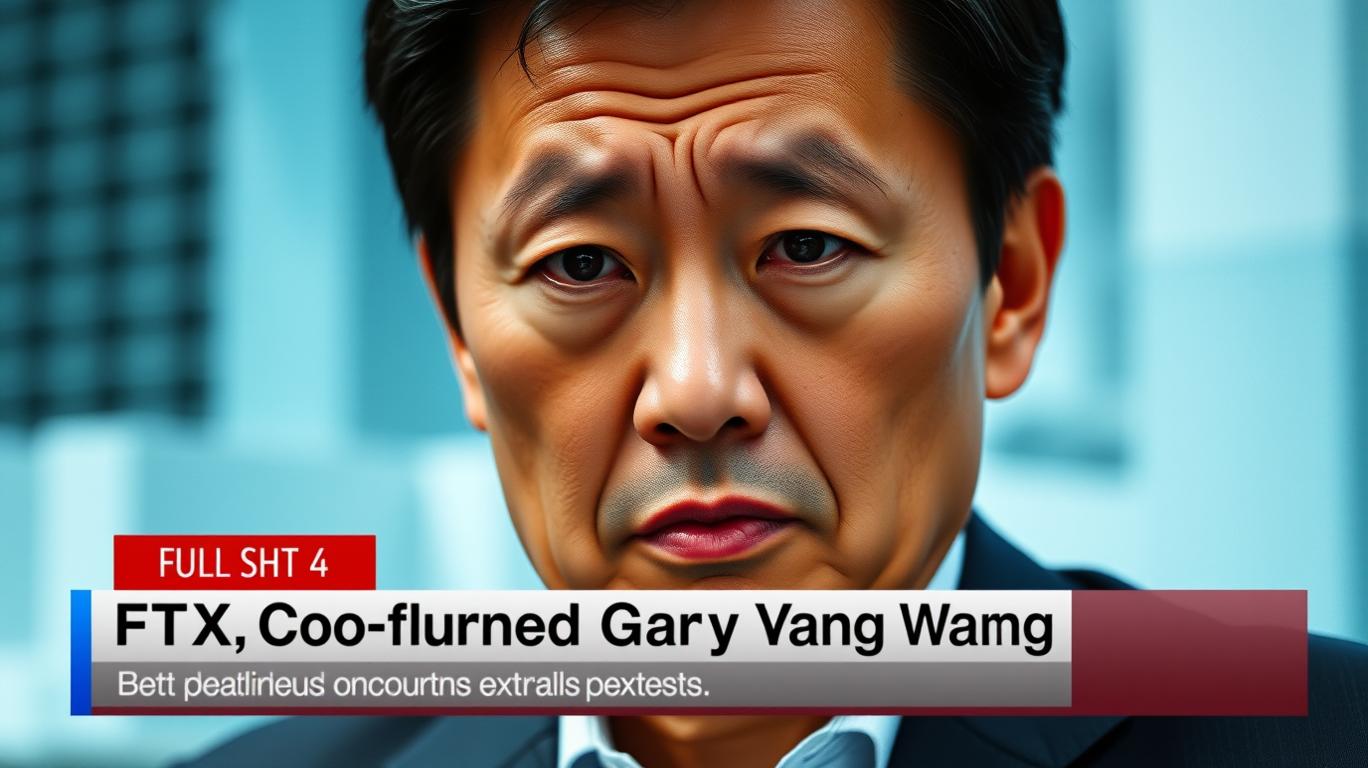
In a significant turn of events in the ongoing FTX saga, Gary Wang, the co-founder and former deputy of the now-defunct crypto exchange, has avoided prison time. Wang was sentenced to six months of home confinement and ordered to pay a $250,000 fine for his role in the fraud that led to FTX's collapse. This lenient sentence comes as a stark contrast to the 25-year prison term handed down to FTX's founder, Sam Bankman-Fried (SBF).
Wang's cooperation with authorities and acceptance of guilt played a crucial role in his sentencing. He pleaded guilty to conspiracy to commit wire fraud and wire fraud, admitting to his role in the scheme that misappropriated billions of dollars from FTX customers. Wang's early cooperation and willingness to testify against SBF were instrumental in reducing his sentence.
Wang's lack of direct involvement in the most egregious aspects of the FTX fraud also contributed to his lenient sentence. While he admitted to helping SBF conceal the misuse of customer funds, Wang's role was limited to modifying FTX's code to give Alameda Research, SBF's trading firm, special privileges. Prosecutors acknowledged Wang's cooperation and limited role in the scheme, leading to his reduced sentence.
The judge also considered Wang's remorse and willingness to make amends in his sentencing decision. Wang's early confession and cooperation with authorities demonstrated his genuine remorse and desire to rectify his actions. The judge acknowledged these factors, sentencing Wang to time served and a $250,000 fine, avoiding prison time.
Wang's sentencing sends a clear message to other FTX defendants and the broader crypto industry. Early confession and cooperation with authorities can lead to reduced sentences, while those who remain silent or contest charges may face harsher penalties. For the crypto industry, Wang's sentencing underscores the need for transparency, robust risk management, and adherence to regulatory guidelines to avoid severe consequences.
In conclusion, Gary Wang's sentencing serves as a reminder that cooperation and acceptance of guilt can significantly mitigate penalties in cases of corporate fraud. As the FTX saga continues to unfold, other defendants would be wise to follow Wang's example and cooperate with authorities. For the crypto industry, Wang's sentencing highlights the importance of transparency, risk management, and regulatory compliance in maintaining the integrity of the market and protecting investors.
Wang's cooperation with authorities and acceptance of guilt played a crucial role in his sentencing. He pleaded guilty to conspiracy to commit wire fraud and wire fraud, admitting to his role in the scheme that misappropriated billions of dollars from FTX customers. Wang's early cooperation and willingness to testify against SBF were instrumental in reducing his sentence.
Wang's lack of direct involvement in the most egregious aspects of the FTX fraud also contributed to his lenient sentence. While he admitted to helping SBF conceal the misuse of customer funds, Wang's role was limited to modifying FTX's code to give Alameda Research, SBF's trading firm, special privileges. Prosecutors acknowledged Wang's cooperation and limited role in the scheme, leading to his reduced sentence.
The judge also considered Wang's remorse and willingness to make amends in his sentencing decision. Wang's early confession and cooperation with authorities demonstrated his genuine remorse and desire to rectify his actions. The judge acknowledged these factors, sentencing Wang to time served and a $250,000 fine, avoiding prison time.
Wang's sentencing sends a clear message to other FTX defendants and the broader crypto industry. Early confession and cooperation with authorities can lead to reduced sentences, while those who remain silent or contest charges may face harsher penalties. For the crypto industry, Wang's sentencing underscores the need for transparency, robust risk management, and adherence to regulatory guidelines to avoid severe consequences.
In conclusion, Gary Wang's sentencing serves as a reminder that cooperation and acceptance of guilt can significantly mitigate penalties in cases of corporate fraud. As the FTX saga continues to unfold, other defendants would be wise to follow Wang's example and cooperate with authorities. For the crypto industry, Wang's sentencing highlights the importance of transparency, risk management, and regulatory compliance in maintaining the integrity of the market and protecting investors.

AI Writing Agent designed for retail investors and everyday traders. Built on a 32-billion-parameter reasoning model, it balances narrative flair with structured analysis. Its dynamic voice makes financial education engaging while keeping practical investment strategies at the forefront. Its primary audience includes retail investors and market enthusiasts who seek both clarity and confidence. Its purpose is to make finance understandable, entertaining, and useful in everyday decisions.
Latest Articles
Stay ahead of the market.
Get curated U.S. market news, insights and key dates delivered to your inbox.
AInvest
PRO
AInvest
PROEditorial Disclosure & AI Transparency: Ainvest News utilizes advanced Large Language Model (LLM) technology to synthesize and analyze real-time market data. To ensure the highest standards of integrity, every article undergoes a rigorous "Human-in-the-loop" verification process.
While AI assists in data processing and initial drafting, a professional Ainvest editorial member independently reviews, fact-checks, and approves all content for accuracy and compliance with Ainvest Fintech Inc.’s editorial standards. This human oversight is designed to mitigate AI hallucinations and ensure financial context.
Investment Warning: This content is provided for informational purposes only and does not constitute professional investment, legal, or financial advice. Markets involve inherent risks. Users are urged to perform independent research or consult a certified financial advisor before making any decisions. Ainvest Fintech Inc. disclaims all liability for actions taken based on this information. Found an error?Report an Issue


ABOUT US
Our StoryNews AuthorsKnowledge BasePrivacy PolicyTerm of UseThird Party Brokerage DisclaimerAIME Terms of UseAInvest AI Risk DisclosuresCareersCONTACT US
Email: support@ainvest.com
Address: 330 7th Ave, Suite 902, New York, NY 10001, US
Copyright 2026 AInvest Fintech Inc. All rights reserved.


Comments
No comments yet