
Bank of England Pauses Digital Pound Amid Private Sector Innovations, Public Doubts, Global CBDC Challenges
 Aime Summary
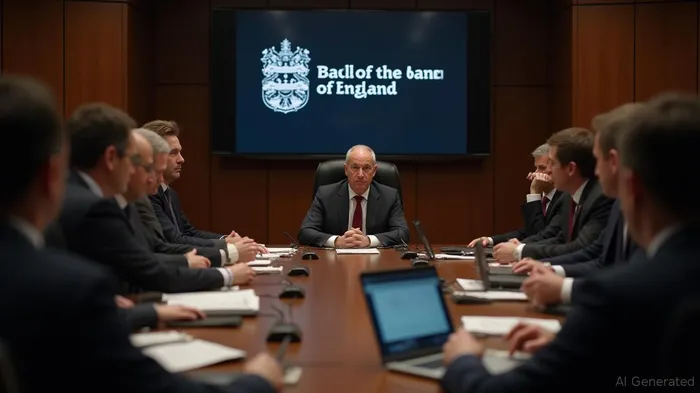
The Bank of England is reevaluating its plans for a consumer-focused central bank digital currency (CBDC), with officials reportedly considering abandoning the initiative amid growing doubts about its necessity and potential risks. The central bank’s governor, Andrew Bailey, has expressed skepticism, stating he would require “a lot of convincing” before endorsing a digital pound if private sector innovations in payments prove successful. This shift marks a reversal from previous statements in 2023, when the BOE and the UK Treasury judged a digital pound “likely needed” for the future. Instead of pursuing a CBDC, officials are now encouraging banks to accelerate their own payment innovations, signaling a strategic pivot toward private-sector-led solutions.
The reconsideration reflects broader global challenges in CBDC development. The UK’s project lags behind other jurisdictions, with no final decision yet made on its viability. Critics have raised concerns about operational risks, including destabilizing bank runs during crises, privacy issues for consumers, and the potential for foreign or Big Tech stablecoins to undermine the British pound. Public feedback on the proposal has been largely negative, with over 50,000 responses received during a consultation period, many highlighting skepticism about the project’s benefits. These concerns align with a global trend of declining support for state-backed digital currencies, as central banks grapple with the balance between innovation and systemic stability.
The BOE’s potential withdrawal from the CBDC race comes amid regulatory headwinds in other regions. In the U.S., the House passed the Anti-CBDC Surveillance State Act, which restricts the Federal Reserve from issuing a CBDC without congressional approval. Meanwhile, the Atlantic Council’s CBDC tracker notes that only three countries—Bahamas, Jamaica, and Nigeria—have officially launched CBDCs, while 49 are in pilot stages and 20 in development. These figures underscore the fragmented progress of CBDC initiatives, with many central banks now prioritizing risk mitigation over rapid deployment. For the BOE, the decision to pause its digital pound project could align with a broader strategy to address immediate financial stability concerns rather than invest in long-term digital transformation.
Analysts suggest the BOE’s hesitation may also be influenced by the growing dominance of private stablecoins and alternative digital payment systems. As private sector solutions gain traction, the perceived urgency for a central bank-backed currency diminishes. However, the absence of a CBDC could leave gaps in the UK’s financial infrastructure, particularly in cross-border payments and financial inclusion. The final decision will depend on whether the BOE can reconcile the potential benefits of a CBDC with the operational, regulatory, and public trust challenges it poses. This recalibration highlights the evolving nature of monetary policy in an era of rapid technological change, where central banks must navigate complex trade-offs between innovation and stability.
The Bank of England’s deliberations underscore a critical juncture for CBDC development worldwide. While the technology was once seen as a transformative tool for modernizing financial systems, the practical and political hurdles have proven formidable. The BOE’s potential pivot toward private-sector-led innovation reflects a pragmatic approach to addressing current economic challenges, such as inflation and systemic resilience, rather than pursuing speculative digital initiatives. As global regulators refine their frameworks, the UK’s experience may serve as a cautionary case study, illustrating the need for careful evaluation of CBDCs’ role in the evolving financial landscape.

Stay ahead of the market.
Get curated U.S. market news, insights and key dates delivered to your inbox.


AInvest
PRO
AInvest
PRO



Comments
No comments yet