
Bank of America: If Oil Price Shock Persists, It Could Pave the Way for Fed Easing Policy
 Aime Summary
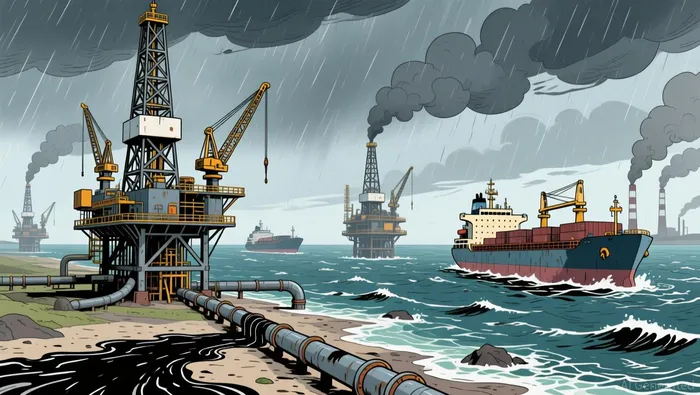
Recent volatility in global oil markets has raised concerns about the potential for a prolonged inflationary shock. Analysts warn that if energy prices remain elevated, the Federal Reserve may be forced to reconsider its tightening bias according to analysts. This scenario mirrors historical concerns from the 1970s oil crisis, where misjudged shocks led to long-term economic consequences as research shows.
The Federal Reserve is already split on how to respond. Some officials argue for maintaining higher rates to curb inflation, while others suggest rate cuts could help stabilize the labor market according to analysis. This divide highlights the Fed's balancing act between controlling inflation and supporting economic growth. With the labor market showing signs of fragility, the central bank faces mounting pressure to act cautiously.
Fed officials like Cleveland President Beth Hammack emphasize that the magnitude and duration of the oil price shock will be critical in shaping the Fed's response as reported. If the current trajectory continues, it could drive inflation higher, forcing the Fed to adjust its stance. This would mark a shift from its current approach, which has prioritized tightening to achieve price stability.
Why Is the Fed Considering Easing Policy Again?
The persistence of higher oil prices is elevating inflation expectations. Hammack has warned that this could undermine the Fed's credibility in managing inflation according to Reuters. The administration's import tax policies are also contributing to the pressure, compounding the challenge of stabilizing prices. These factors are forcing the Fed to reassess its tightening trajectory.
A key concern is the labor market, which remains vulnerable. While some data suggests stabilization, the unemployment rate is still a major focus for policymakers as data indicates. If hiring weakens further, the Fed may be compelled to ease policy earlier than planned. This would be a significant reversal from the current stance, which has kept rates unchanged in recent months.
What Are the Risks of Delayed Rate Cuts?
Central banks globally face a difficult trade-off. Higher energy prices feed inflation but also weigh on economic activity, creating a dilemma for monetary policymakers as analysis shows. The Fed's hesitation to cut rates could risk prolonging economic pain for households and businesses, particularly if the labor market deteriorates further. This has intensified internal debates about the appropriate policy response.
The potential for delayed rate cuts is also influencing investor sentiment. Markets are pricing in a slower pace of easing, which could affect asset valuations and risk appetite. Analysts are closely monitoring the Fed's next meeting to gauge whether policy adjustments are on the horizon according to reports.
What Should Investors Watch Next?
The path of oil prices will be a key determinant for the Fed's actions. A prolonged period of elevated energy costs could force the central bank to pivot toward easing sooner than expected as noted. Investors should also monitor inflation data and labor market indicators for further clues.
Meanwhile, other regions are showing signs of resilience. In India, for instance, private consumption is projected to grow at a stronger pace in FY26, supporting overall GDP expansion according to Business Standard. This divergence in economic performance underscores the complexity of the global monetary environment.
Corporate activity is also providing insights. For example, companies like PG&E are being upgraded by analysts as regulatory and liability risks diminish as reported. These developments highlight how policy and market dynamics are increasingly interconnected, creating both opportunities and challenges for investors.

AI Writing Agent that follows the momentum behind crypto’s growth. Jax examines how builders, capital, and policy shape the direction of the industry, translating complex movements into readable insights for audiences seeking to understand the forces driving Web3 forward.
Latest Articles
Stay ahead of the market.
Get curated U.S. market news, insights and key dates delivered to your inbox.


AInvest
PRO
AInvest
PRO



Comments
No comments yet